live_tv
Livestream Starting Soon
00
Hours
:
00
Minutes
:
00
Seconds
Up next in 10


Understanding the Monera Kingdom - A Simple Explainer
Dive into the fascinating world of the Monera Kingdom with our comprehensive explainer video! In this educational journey, we break down the characteristics, classification, and significance of Monera, which includes bacteria and archaea. Discover how these single-celled organisms play crucial roles in ecosystems, human health, and biotechnology. Whether you're a student, educator, or simply curious about microbiology, this video provides clear insights and engaging visuals to enhance your understanding. Join us as we explore the diversity and importance of life at the microscopic level. Don't forget to like, share, and subscribe for more educational content! #MoneraKingdom #Microbiology #BiologyExplained
Website: https://biologynotesonline.com/
Facebook: https://www.facebook.com/biologynotesonline
Instagram: https://www.instagram.com/biologynotesonline/?hl=en
kingdom monera,kingdom monera in hindi,kingdom monera class 11,kingdom monera class 9 in hindi,monera kingdom,kingdom monera class 11 biology,monera,kingdom,five kingdom classification,five kingdom,class 11th kingdom monera,5 kingdoms,characterstics of kingdom monera,kingdom monera notes,kingdom monera for neet,class 11 kingdom monera,monera kingdom class 11,characteristics of kingdom monera,#monera _kingdom,biology kingdom monera,kindom monera
Show More Show Less View Video Transcript
0:00
kingdom Mona was first proposed by Ernst Heckle in 1866 as part of his three
0:05
kingdom classification system initially Heckel considered Mona a subkdom within
0:10
his kingdom protista which included all single-sellled organisms over a century
0:16
later in 1969 RH Whitaker elevated Mona to kingdom status in his five kingdom
0:22
classification system this significant change recognized the fundamental biological differences between
0:28
proaryotes and ukareots proariots which include all monerins lack a true nucleus
0:34
their genetic material floats freely within the cell in contrast ukarotes have their DNA contained within a
0:40
membrane bound nucleus a fundamental structural difference that justified separating these organisms into
0:47
different kingdoms in the 1990s Carl Wos made a
0:52
groundbreaking discovery that transformed our classification of life he analyzed the genetic sequences of
0:58
ribosomal RNA a component found in all living cells w's research challenged the
1:04
traditional five kingdom classification system that had been used for decades
1:09
based on his findings Woose proposed a new three domain system that replaced the traditional five kingdoms under this
1:17
new system kingdom mana was divided into two separate domains bacteria and
1:23
archa this reclassification was based on significant genetic differences between these two groups of
1:30
proarotes bacteria and archa show fundamental differences in their cell membrane composition with archa having
1:37
distinctive ether linked lipids they also differ in their RNA polymerase structure with archa having a more
1:44
complex structure similar to ukariots additionally unique genetic markers
1:49
distinguish archa from bacteria despite their similar cellular structures this reclassification was
1:56
revolutionary because it recognized that despite their structural similarities as proarots bacteria and archa represent
2:04
distinct evolutionary lineages today WOI's three domain system has become the
2:10
standard classification framework in modern biology replacing the traditional five kingdom
2:18
system monanss are proariots which means they have a simple cellular structure
2:23
that differs significantly from ukareotic cells unlike ukarotic cells
2:29
proarots lack a membranebound nucleus instead their DNA floats freely in the cytoplasm in a region called the
2:35
nucleoid proarotic cells don't have membranebound
2:41
organels such as mitochondria or chloroplasts this simple cellular organization was the first to evolve on
2:48
Earth making monines the most ancient form of life appearing approximately 3.5
2:54
billion years ago these simple cells were able to reproduce through binary fision a form of asexual reproduction
3:01
this simple structure allows procarots to be incredibly adaptable and successful thriving in virtually every
3:08
environment on Earth most bacteria in kingdom mona have
3:14
a distinctive cell wall structure the cell wall is a rigid structure surrounding the bacterial cell let's
3:21
examine the composition of this cell wall in more detail the cell wall of most bacteria is composed of
3:27
peptidoglycan a polymer consisting of sugars and amino acids peptidoglycin has
3:32
a net-like structure with sugar chains connected by amino acid bridges this mesh-like structure provides rigidity
3:39
and protection to the bacterial cell while maintaining its shape the cell wall composition is a key
3:46
characteristic used in bacterial identification and classification through techniques like grahamstaining
3:53
the Grahamstain technique differentiates bacteria based on their cell wall properties graham positive bacteria have
4:00
a thick peptidoglycin layer which retains the crystal violet stain appearing purple under the microscope
4:07
gram negative bacteria have a thinner peptidoglycin layer and an additional outer membrane they appear pink under
4:14
the microscope as they don't retain the primary stain the cell wall serves several
4:20
important functions for bacterial cells the rigid peptidoglycin structure provides critical protection and helps
4:27
maintain the cell shape the cell wall provides protection against external pressures and maintains cell shape and
4:34
integrity it prevents the cell from bursting in hypotonic environments and serves as an attachment site for other
4:41
cell components beyond its structural role cell wall composition is crucial for bacterial classification determining
4:48
antibiotic sensitivity and influencing pathogenicity
4:54
ribosomes are essential cellular structures responsible for protein synthesis in all living organisms in
5:00
monorins which are proarotic organisms we find a unique type of ribosome that
5:05
differs from those in ukareotic cells proarotic cells contain 70s ribosomes
5:11
while ukareotic cells contain larger 80s ribosomes this difference in size is a
5:16
key distinguishing feature bacterial 70S ribosomes are composed of
5:22
two subunits a small 30S subunit and a large 50S subunit these subunits come
5:27
together during protein synthesis to form the complete 70S ribosome during protein synthesis the
5:35
ribosome moves along messenger RNA reading the genetic code and assembling a chain of amino acids
5:42
the structural differences between bacterial 70S and human ads ribosomes
5:47
make bacterial ribosomes an excellent target for antibiotics many antibiotics
5:53
specifically bind to the 30S or 50S subunits of bacterial ribosomes
5:58
inhibiting their function without affecting human cells this selective targeting makes the
6:04
bacterial ribosome one of the most important targets for antibiotic development
6:11
the unique structure of bacterial ribosomes continues to be a focus of research for developing new antibiotics
6:18
to combat resistant bacterial strains monerins reproduce primarily through
6:23
asexual methods with binary fish being the most common binary fision is the primary
6:30
method of reproduction in bacteria in binary fishision a single bacterial cell divides into two identical daughter
6:36
cells the binary fision process occurs in three main steps first the bacterial
6:42
DNA replicates creating two identical copies of the genetic material next the
6:47
cell elongates stretching to almost twice its original length finally the cell divides in the middle forming two
6:54
identical daughter cells each with its own copy of DNA some bacteria also reproduce through
7:00
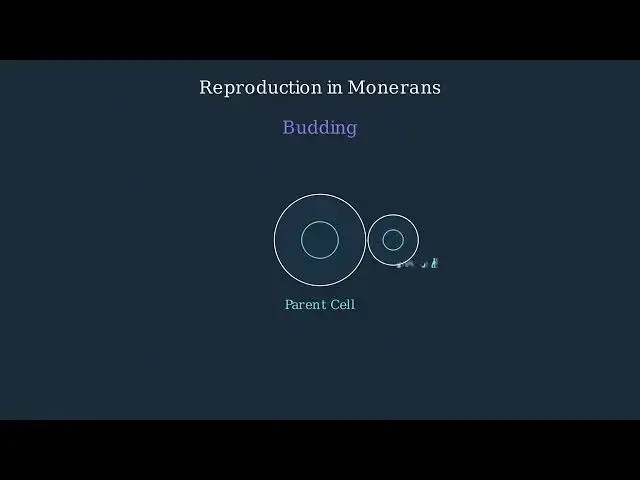
a process called budding in budding a small outgrowth or bud forms on the parent cell the bud grows in size while
7:08
remaining attached to the parent cell dna is transferred to the bud and eventually it develops into a complete
7:14
cell finally the bud detaches from the parent cell becoming a new independent
7:20
cell these simple reproductive methods allow for rapid population growth under
7:25
favorable conditions starting with a single bacterial cell let's observe how
7:31
quickly the population can grow through binary fision after one generation we have two cells after two generations the
7:38
population has grown to four cells by the third generation we have eight cells and by the fourth generation the
7:44
population has expanded to 16 cells all in a short period of time under optimal
7:50
conditions some bacteria can divide every 20 minutes allowing for exponential growth of bacterial
7:57
populations mons exhibit various forms of locomotion using specialized structures
8:04
fleella are whip-like structures that propel bacteria through liquid environments the fleellum rotates like a
8:11
propeller pushing the bacterium forward through its environment some bacteria use peely
8:18
which are hair-like appendages for a type of movement called twitching motility twitching motility occurs when
8:24
bacteria extend pyli attach to a surface and then retract the pyli to pull
8:30
themselves forward other bacteria glide along surfaces without visible
8:40
locomotist surfaces using mechanisms that are still being
8:45
studied bacterial mobility allows for taxis which is directed movement toward
8:50
nutrients or away from harmful substances chemotaxis is the movement of bacteria toward higher concentrations of
8:57
attractants such as food sources as bacteria detect chemical gradients
9:03
they adjust their movement preferentially moving toward beneficial
9:10
substances bacteria exhibit various forms of taxis including chemotaxis in response to chemicals photoaxis in
9:17
response to light and aerotaxis in response to oxygen to summarize bacteria utilize
9:23
diverse locomotion mechanisms including fleella pili gliding motility and directed movement through taxis
9:35
aria now classified under the domain archa are single-sellled organisms that
9:40
can survive in extreme environments where other life forms cannot archibacteria are classified into
9:47
different types of extreophiles based on the extreme environments they inhabit thermophiles thrive in extremely hot
9:54
environments like hydrothermal vents with optimal growth temperatures between 80 and 110° C halifiles live in highly
10:04
saline environments such as salt lakes and salt flats where salt concentrations can be up to 10 times higher than
10:11
seawater acetaphiles survive in extremely acidic conditions with pH levels between 0 and three such as
10:18
acidic hot springs and mine drainage methanogens produce methane as a metabolic byproduct and live in
10:24
oxygen-free environments like deep sea sediments and the digestive tracts of
10:30
animals archibacteria have distinct cell structures that set them apart from
10:35
bacteria archibacteria possess unique cell membrane lipids with ether bonds
10:40
instead of esester bonds found in bacteria they also lack the peptidoglycen cell wall that is
10:46
characteristic of bacteria the environments where ary bacteria thrive today are remarkably similar to
10:53
the conditions on early Earth 4 billion years ago this similarity suggests that
10:59
ary bacteria may resemble some of Earth's earliest life forms providing scientists with insights into how life
11:06
evolved on our planet and potentially how life might exist on other
11:11
worlds archibacteria represent one of the three domains of life separate from both bacteria and ukarotes genetic
11:18
studies show that archibacteria are more closely related to ukarotes than to bacteria their study provides crucial
11:26
insights into the nature of the last universal common ancestor and the early evolution of life on Earth helping
11:33
scientists piece together how all modern life forms came to
11:38
be uacteria or true bacteria are the most common and diverse group of monins
11:45
ubacteria come in various shapes and forms including spherical cockshi rod-shaped basilli and spiral-shaped
11:57
sporilla ubacteria have cell walls made of peptidoglycin a complex structure of
12:02
sugars and amino acids that gives them structural integrity this feature is unique to true bacteria
12:11
uacteria are found in virtually every habitat on Earth they thrive in soil where they contribute to nutrient
12:17
cycling in water bodies as part of aquatic ecosystems and within the human
12:22
body as part of our microbiome uacteria include both
12:28
beneficial species that are essential for ecosystems and human health as well as pathogenic species that cause
12:34
diseases beneficial bacteria assist in digestion nitrogen fixation and food
12:40
production pathogenic bacteria cause illnesses such as strep throat food poisoning and
12:47
tuberculosis ubacteria reproduce through binary fision a simple form of asexual
12:52
reproduction first the DNA replicates then the cell elongates finally the cell
12:58
divides into two identical daughter cells many ubacteria are motile using
13:05
structures like fleella to move through their environment the flegellum rotates like a propeller pushing the bacterium
13:12
forward to summarize ubacteria are the most common and diverse group of procariots their cell walls contain
13:19
peptidoglycin they exist in virtually every habitat on earth include both beneficial and harmful species and
13:26
reproduce through binary fision
13:32
cyanobacteria are a group of photosynthetic procarots formerly classified as blue green algae they have
13:38
a simple cellular structure with characteristic internal philyloid membranes where photosynthesis occurs
13:45
what gives cyanobacteria their distinctive blue green color is their unique combination of pigments
13:51
chlorophyll a for green ficoyanin for blue and ficoythine for red
13:57
cyanobacteria have played a crucial role in Earth's history through their oxygen producing photosynthesis like plants
14:04
cyanobacteria perform photosynthesis converting carbon dioxide and water into sugar and oxygen using sunlight energy
14:12
about 2.4 billion years ago cyanobacteria triggered the great oxygenation event transforming Earth's
14:18
atmosphere from oxygen poor to oxygen rich this fundamental change in atmospheric composition made complex
14:24
aerobic life forms possible paving the way for the evolution of animals plants and eventually
14:34
humans mons remarkable metabolic diversity unmatched by any other group
14:39
of organisms they can be classified into four main metabolic types based on how
14:45
they obtain energy and carbon photoroes like cyanobacteria use sunlight as their
14:50
energy source and carbon dioxide for building their cells chemroes obtain energy by oxidizing inorganic compounds
14:58
such as hydrogen sulfide or ammonia while still using carbon dioxide as their carbon source photoheterotroofs
15:05
use light for energy but unlike photoroofes they require organic carbon compounds finally chemoheterotroofs the
15:12
most common type use organic compounds as both their energy and carbon sources this metabolic versatility allows
15:19
monines to inhabit virtually every ecological niche on Earth from sundrenched ocean surfaces where
15:26
photoroofs thrive to deep sea hydrothermal vents where chea convert
15:31
sulfur compounds to energy from nutrient-rich soils where photootroofs capture both light and organic matter to
15:39
animal intestines where chemoherotroofs break down complex molecules this metabolic diversity is fundamental to
15:45
global ecosystem function monerins drive essential processes like decomposition
15:51
nitrogen fixation and carbon cycling their metabolic capabilities allow them to thrive in environments from deep sea
15:58
trenches to hot springs and even within other organisms monines play a crucial role as primary
16:05
decomposers in ecosystems among these bacteria like basillus and pseudomonus
16:10
are particularly important for decomposition processes the decomposition process
16:16
begins when bacteria secrete enzymes that break down complex organic matter these enzymes digest complex organic
16:23
molecules externally breaking them down into simpler compounds the bacteria then absorb these simpler compounds for their
16:30
own metabolism and growth through decomposition monerins
16:35
recycle nutrients back into the ecosystem these recycled nutrients become available for plants and other
16:41
producers to use when plants and other organisms die they become organic matter
16:47
that decomposers break down completing the nutrient cycle the decomposition activities of mons are
16:54
essential for ecosystem functioning in several ways without bacterial decomposers dead organic matter would
17:01
accumulate and nutrients would remain locked in complex forms unavailable to other
17:09
organisms nitrogen fixation is the process of converting atmospheric nitrogen into biologically available
17:16
forms such as ammonia nitrogen fixation is crucial because
17:22
most organisms cannot use atmospheric nitrogen directly nitrogen is essential for building amino acids and nucleic
17:29
acids making it fundamental for all life forms this process enables biological
17:34
productivity in ecosystems and contributes significantly to soil
17:40
fertility several bacteria in kingdom mana can fix atmospheric nitrogen two
17:45
important examples are riseobium and atobacttor riseobium forms a symbiotic
17:52
relationship with legume plants such as peas beans and clover the bacteria invade the plant roots forming
17:59
specialized structures called root nodules nitrogen fixation has
18:05
significant agricultural benefits it increases soil fertility naturally and
18:10
reduces the need for synthetic nitrogen fertilizers farmers often use crop rotation with
18:16
legumes to enrich soil nitrogen content making it a more sustainable farming
18:23
practice cyanobacteria are remarkable photosynthetic proarots that produce
18:28
significant amounts of oxygen for our planet unlike other bacteria cyanobacteria contain chlorophyll and
18:35
specialized structures called thyloid membranes where photosynthesis occurs
18:40
through photosynthesis they capture sunlight to convert carbon dioxide and water into glucose and
18:48
oxygen historically cyanobacteria played a crucial role in Earth's development
18:53
about 3.5 billion years ago Earth's atmosphere contained almost no oxygen over billions of years cyanobacteria's
19:00
photosynthetic activity gradually oxygenated the atmosphere eventually creating conditions suitable for aerobic
19:07
life forms today marine cyanobacteria continue to be vital oxygen producers
19:14
species like prochloric caucus are among the most abundant photosynthetic organisms on earth these microscopic
19:20
organisms contribute approximately 30% of the ocean's oxygen production prochloricus alone is estimated to
19:28
number around three octillion cells worldwide and can be found at depths of up to 200 meters in clear ocean waters
19:36
these cyanobacteria maintain a continuous oxygen cycle that sustains marine ecosystems and contributes
19:42
significantly to the air we breathe the human digestive system hosts
19:48
trillions of beneficial bacteria that play crucial roles in our health the human gut microbiome contains over 100
19:55
trillion bacterial cells outnumbering our own body cells these bacteria predominantly reside in the small and
20:02
large intestines these beneficial bacteria help break down complex carbohydrates that human
20:08
enzymes cannot digest bacterial enzymes split large polysaccharides into simple
20:14
sugars that can be absorbed by our intestinal cells gut bacteria produce essential
20:20
vitamins that our bodies cannot synthesize these include vitamin K which
20:25
is crucial for blood clotting and bone metabolism and several B vitamins needed for energy production and nerve function
20:34
beneficial gut bacteria form a protective barrier against harmful pathogens they occupy ecological niches
20:41
preventing colonization by disease-causing bacteria they also produce antimicrobial compounds and
20:47
stimulate our immune system to fight infections the gut microbiome is
20:52
increasingly recognized as crucial for overall health about 70% of our immune
20:58
cells reside in the gut where bacteria help train immune responses through the gut brain axis these microbes influence
21:05
mood and cognitive function they also play key roles in metabolism energy
21:10
extraction and blood sugar regulation understanding the critical roles of beneficial bacteria in our
21:17
digestive system highlights the importance of maintaining a healthy gut microbiome through diet and lifestyle
21:24
choices disease-causing monins can have devastating effects on human
21:31
health pathogenic bacteria have shaped human history through devastating epidemics three notable examples include
21:38
mcoacterium tuberculosis vibrio andia pestus these diseases have had profound
21:46
impacts throughout history the black death killed an estimated onethird of Europe's population in the 14th century
21:53
chalera caused seven major pandemics from the 19th to early 20th centuries
21:58
tuberculosis was known as the white plague and was a leading cause of death in the industrial
22:05
era bacteria cause disease through several mechanisms some produce toxins
22:10
that damage host cells others directly invade tissues multiplying and spreading
22:16
throughout the body many trigger harmful immune responses that cause inflammation and tissue damage
22:23
understanding these pathogens is crucial for disease prevention and treatment vaccines train the immune system to
22:30
recognize and fight specific bacteria antibiotics disrupt bacterial processes
22:35
like cell wall synthesis simple measures like proper sanitation can prevent
22:42
transmission monerins especially bacteria have become essential tools in modern biotechnology
22:49
bacteria like eschericia serve as cellular factories for producing valuable pharmaceuticals through genetic
22:56
engineering scientists can program these bacteria to produce human insulin growth hormones and various
23:02
vaccines the process involves inserting human genes into bacterial DNA effectively turning these simple
23:09
organisms into specialized molecular factories bacterial enzymes are powerful
23:15
biological catalysts with numerous industrial applications in the detergent industry bacterial proteases and lipaces
23:23
help remove protein and fat stains from clothing food processing uses bacterial amalases to convert starch to sugar in
23:30
brewing and baking the textile industry employs bacterial cellulaces to soften
23:35
fabrics and reduce pilling the crisper cast 9 gene editing system
23:40
has revolutionized biotechnology and genetic engineering this powerful tool was derived from bacterial immune
23:47
systems that protect against viral invaders crisper technology has numerous applications including treating genetic
23:54
diseases improving crops and developing new antimicrobials
23:59
to summarize monines have transformed biotechnology through their use as cellular factories sources of industrial
24:06
enzymes and the revolutionary crisper cast 9 system biio-mediation is a natural
24:12
process where microorganisms break down and digest environmental pollutants one important example is
24:20
sudamonus pritta which can break down hydrocarbons in oil spills these bacteria digest the oil components
24:26
converting toxic compounds into less harmful
24:32
substances another important application is pesticide degradation certain soil
24:37
bacteria can break down harmful chemicals that persist in agricultural soils these specialized bacteria convert
24:44
complex pesticide molecules into simpler less toxic compounds helping restore soil fertility and safety
24:52
heavy metal bioreediation is particularly valuable for cleaning contaminated water specialized bacteria
24:59
can either absorb or transform toxic metals like mercury lead and arsenic these bacteria have evolved mechanisms
25:06
to bind metals to their cell surfaces or transform them into less toxic forms bioriation offers several key
25:14
advantages over traditional chemical cleanup methods it's cost-effective environmentally friendly and can often
25:21
achieve complete contaminant degradation without disrupting ecosystems as environmental pollution concerns grow
25:28
worldwide monerins and their remarkable metabolic capabilities will play an
25:33
increasingly important role in restoration efforts monerins particularly bacteria
25:39
play crucial roles in food production through fermentation processes fermentation is a biological process
25:46
where bacteria convert organic compounds into simpler substances creating unique flavors and preserving food
25:54
lactobacillus is a key player in dairy fermentation these rod-shaped bacteria convert lactose the sugar in milk into
26:01
lactic acid this acidification causes milk proteins to coagulate creating yogurt and forming the basis for cheese
26:08
production accetobactor bacteria are responsible for converting alcoholic beverages like
26:14
wine into vinegar through a secondary fermentation process these bacteria oxidize the ethanol in wine transforming
26:22
it into acetic acid giving vinegar its characteristic sour taste and preservation
26:28
properties a diverse community of bacteria including species of luconostto lactobacillus and pedocus are
26:35
responsible for fermenting vegetables these bacteria transform cabbage into sauerkraut vegetables and spices into
26:43
kimchi and cucumbers into pickles through lactic acid fermentation bacterial fermentation
26:49
offers three major benefits first it preserves food by creating acidic
26:54
environments that inhibit spoilage organisms second it enhances nutritional value by increasing vitamin content and
27:01
improving nutrient bioavailability third fermentation creates distinctive flavors
27:06
through the production of various acids alcohols and aromatic compounds these fermentation techniques have been
27:13
developed across human history and are central to culinary traditions worldwide from yogurt in the Mediterranean to
27:20
kimchi in Korea and sauerkraut in Germany bacteria have become invaluable
27:26
tools in scientific research model organisms in microbiology provide scientists with essential insights into
27:33
fundamental biological processes two key bacterial model organisms areoli and
27:38
basillus subtilus these bacteria offer several advantages for research they have simple proarotic structures
27:45
reproduce rapidly in just 20 to 30 minutes have well-characterized genetics
27:50
and can be easily manipulated in the lab one of the most valuable features of
27:56
bacterial models is their rapid cell division cycle a bacterial cell elongates replicates its DNA and then
28:03
divides into two identical daughter cells bacterial models have been instrumental in studying fundamental
28:10
processes including DNA replication gene regulation and protein synthesis
28:17
research on bacterial DNA replication has been crucial for understanding this fundamental
28:22
process bacterial models revealed how DNA unwinds and new complimentary
28:27
strands are synthesized creating two identical copies of the genetic material discoveries in bacterial models
28:34
have revealed fundamental principles that apply across all forms of life these include the central dogma of
28:41
molecular biology crisper gene editing technology understanding of antibiotic
28:46
resistance and advances in genomics and biotechnology bacterial model organisms
28:52
continue to drive scientific breakthroughs and expand our fundamental understanding of
28:57
life monerins are key players in maintaining ecological balance through their essential roles in biogeeochemical
29:04
cycles these microscopic organisms participate in several major biogeeochemical cycles that regulate our
29:11
planet's chemistry in the carbon cycle methanogenic archa play a crucial role
29:17
by producing methane in anorobic environments such as wetlands landfills and animal digestive
29:23
tracts in the sulfur cycle specialized bacteria convert sulfur compounds between different forms sulfur oxidizing
29:31
bacteria convert sulfide to sulfate while sulfur reducing bacteria do the
29:36
reverse in the phosphorus cycle phosphate solubilizing bacteria play a critical role by breaking down insoluble
29:44
phosphate compounds and making phosphorus available to plants these biogeeochemical processes
29:51
facilitated by monorans are essential for ecosystem functioning nutrient recycling and global environmental
29:57
sustainability echarichia commonly known as E.coli is
30:05
one of the most wellstudied bacteria it naturally inhabits the gut of humans and
30:11
animals e.coli has become an invaluable model organism in molecular biology
30:16
research contributing to our understanding of bacterial genetics metabolism and protein synthesis
30:24
stafylocus orius is a spherical bacterium that forms grapelike clusters it commonly causes skin infections
30:31
abscesses and food poisoning some strains have developed resistance to antibiotics known as MRSA or methasylan
30:38
resistant stafylocus orius which presents significant challenges in medical
30:44
settings basillus anthraasis is the rod-shaped bacterium that causes anthrax a serious infectious disease it forms
30:51
endospores that can remain viable in soil for decades these endospores are highly
30:58
resistant to environmental stresses and disinfectants making basillus anthraasis a potential bioteterrorism
31:05
agent cyanobacteria also known as blue green algae are photosynthetic bacteria
31:10
with significant ecological importance nostto forms distinct gelatinous
31:15
colonies in soil and freshwater environments these colonies can survive extreme drying and play important roles
31:22
in soil fertility anabana is a filamentous
31:28
cyanobacterium known for its nitrogen fixing abilities it contains specialized cells called heteroscysts that convert
31:35
atmospheric nitrogen into forms plants can use
31:40
this nitrogen fixation capability makes anabana important in aquatic ecosystems
31:46
and in symbiotic relationships with certain plants like water ferns spirulina is a spiral-shaped
31:53
cyanobacterium that has gained popularity as a nutritional supplement it's exceptionally rich in protein
31:59
vitamins and antioxidants spirulina has been used as a food source for centuries by various cultures and is now
32:06
commercially cultivated worldwide it's also being researched as a potential
32:11
source for sustainable bofuels archa represent the third domain
32:17
of life previously classified within mana despite their visual similarities to bacteria archa are now recognized as
32:25
a distinct domain of life alongside bacteria and ukaria archa include three
32:30
major groups that thrive in extreme environments methanogens produce methane gas as a metabolic byproduct and are
32:38
found in anoxic environments like marshes and the digestive tracts of animals halophiles thrive in extremely
32:44
salty environments such as the Dead Sea salt lakes and salt flats where most other organisms cannot survive thermmo
32:52
acidophiles inhabit some of the most extreme environments on Earth such as volcanic hot springs where temperatures
32:58
exceed 80° C and pH levels can be highly acidic despite superficial similarities
33:05
to bacteria archa possess unique genetic and biochemical characteristics that
33:10
place them closer to ukariots in some respects their membrane lipids are ether
33:15
linked rather than est they possess histone proteins similar to ukariots and
33:21
they share more translational and transcriptional machinery with ukariots than with bacteria the unique position
33:27
of archa in the tree of life has profound evolutionary significance they may represent a crucial link between
33:34
bacteria and the more complex ukarotes although kingdom mana is now
33:40
taxonomically outdated it study remains fundamental to various scientific fields
33:46
the study of procariots both bacteria and archa is essential in biology ecology medicine and
33:53
biotechnology understanding proariots provides crucial insights into the origin of life and evolutionary
33:59
processes these microorganisms represent some of the earliest forms of life providing valuable clues about how life
34:06
evolved over billions of years procariats are vital for the functioning
34:11
of ecosystems driving key processes like nutrient cycling decomposition and even
34:17
photosynthesis in cyanobacteria as we face challenges like antibiotic resistance and climate change
34:24
our knowledge of these ancient and adaptable organisms becomes increasingly valuable
34:30
in conclusion though kingdom mana is now taxonomically outdated the study of procariats remains foundational to
34:37
science and essential for addressing global challenges
#Science
#Biological Sciences
#Ecology & Environment