Up next in 10


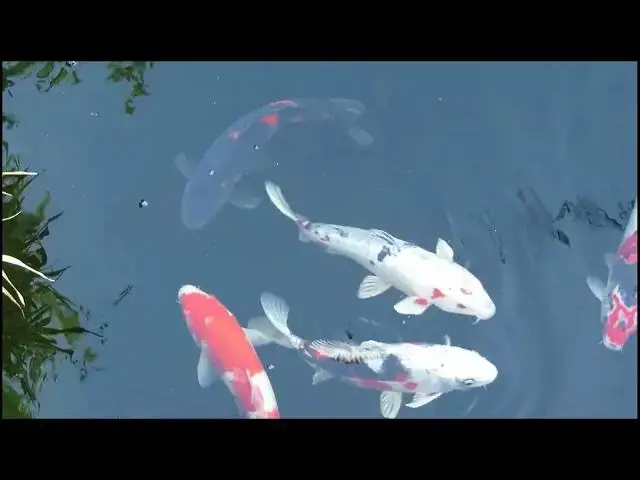
Learn about the crucial role of oxygen in koi fish health and growth. This video explains ideal oxygen levels for koi ponds, the effects of low oxygen, and practical methods to maintain proper oxygenation for thriving koi fish.
Show More Show Less View Video Transcript
0:00
oxygen the key to healthy koi fish
0:02
growth oxygen it's not just essential
0:05
for us humans but also crucial for the
0:07
vibrant and beloved koi fish these
0:09
colorful carp have captured the hearts
0:11
of pond enthusiasts worldwide but their
0:14
health and growth depend heavily on one
0:16
key factor oxygen levels in their
0:19
aquatic environment koi fish like all
0:22
aquatic creatures rely on dissolved
0:25
oxygen in the water to survive and
0:27
thrive if they extract this vital
0:29
element through their gills which act as
0:32
their respiratory organs as water passes
0:34
over the gills oxygen is absorbed into
0:37
their bloodstream fueling their bodily
0:39
functions and enabling growth for
0:41
optimal koi fish health and growth
0:43
maintaining proper oxygen levels is
0:46
Paramount ideally koi ponds should have
0:49
dissolved oxygen levels between six and
0:52
eight parts per million this range
0:54
provides koi with the oxygen they need
0:56
to metabolize food efficiently maintain
0:58
their immune systems and grow to their
1:00
full potential when oxygen levels drop
1:02
below this optimal range koe fish face
1:06
numerous challenges low oxygen
1:09
conditions known as hypoxia can severely
1:12
impact their growth and overall health
1:14
in oxygen deprived environments koifish
1:18
struggle to convert food into energy
1:20
efficiently this leads to stunted growth
1:23
weakened immune systems and increased
1:26
susceptibility to diseases and parasites
1:29
moreover insuff efficient oxygen can
1:30
cause koet to become lethargic and lose
1:33
their appetite in extreme cases
1:35
prolonged exposure to low oxygen levels
1:37
can be fatal even if KOA survive such
1:40
conditions their growth may be
1:42
permanently affected preventing them
1:44
from reaching their full size and
1:45
vibrant coloration to ensure proper
1:48
oxygen levels in koi ponds several
1:51
methods can be employed one of the most
1:53
effective ways is through airation this
1:55
can be achieved using air pumps
1:57
waterfalls or fountains that agitate the
2:00
water surface increasing gas exchange
2:02
between the air and water another method
2:04
is the use of aquatic plants which
2:07
naturally produce oxygen through
2:08
photosynthesis during daylight hours
2:10
regular water changes also play a
2:12
crucial role in maintaining oxygen
2:14
levels fresh water typically contains
2:16
more dissolved oxygen than stagnant pond
2:19
water by performing partial water
2:20
changes you not only replenish oxygen
2:23
but also remove harmful waste products
2:25
that can deplete oxygen levels it's is
2:27
important to note that oxygen levels in
2:29
ponds can fluctuate throughout the day
2:31
and Seasons warmer water holds less
2:34
dissolved oxygen than cooler water
2:36
making summer months particularly
2:38
challenging for koi during these times
2:41
extra vigilance and additional airation
2:43
may be necessary monitoring oxygen
2:46
levels regularly using a dissolved
2:48
oxygen meter can help Pond owners stay
2:50
ahead of potential problems this allows
2:52
for timely interventions if oxygen
2:54
levels start to drop ensuring the
2:56
continued health and growth of qu fish
2:59
the role of o oxygen in koi fish growth
3:01
cannot be overstated by maintaining
3:04
optimal oxygen levels koi enthusiasts
3:06
can ensure their prized fish not only
3:08
survive but Thrive reaching their full
3:11
potential in size color and vitality
3:14
remember uh well oxygenated Pond is the
3:17
foundation for healthy vibrant coai that
3:20
will bring joy and Beauty to your
3:22
aquatic Garden for years to come
#Pets
#Fish & Aquaria
#Fish & Aquaria