Up next in 10


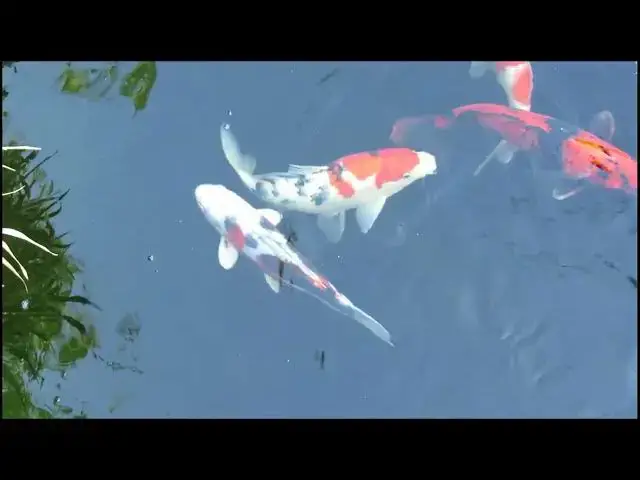
Learn how to maintain ideal pH levels in your koi pond for optimal fish health and growth. This video covers the importance of pH, testing methods, adjustment techniques, and the impact of proper pH on koi fish well-being.
Show More Show Less View Video Transcript
0:00
optimizing pH levels for healthy koi
0:02
fish growth koi fish are beautiful and
0:05
captivating creatures that require
0:07
specific care to thrive one crucial
0:10
aspect of their well-being is
0:12
maintaining optimal EF levels in their
0:14
environment in this video we will
0:17
explore how to optimize H levels for koi
0:21
fish growth ensuring your aquatic
0:23
friends remain healthy and vibrant the
0:25
CLA is a measure of how acidic or
0:29
alkaline water is and it plays a vital
0:31
role in the overall health of koi fish
0:34
the ideal PH range for KO fish is
0:36
between 7.0 and 8.5 this slightly
0:40
alkaline environment closely mimics
0:43
their natural habitat and promotes
0:45
optimal growth and development several
0:47
factors can affect EA levels in koi
0:50
ponds these include the source water
0:52
quality biological processes like fish
0:55
waste and plant decomposition and
0:57
environmental factors such as rain fall
1:00
and evaporation it is essential to
1:02
regularly Monitor and adjust levels to
1:05
maintain a stable environment for your
1:06
Coy to measure PH accurately you can use
1:09
various methods digital PH meters
1:12
provide precise readings and are easy to
1:14
use P test strips are a more affordable
1:17
option but may be less accurate liquid
1:19
test kits offer a good balance between
1:21
accuracy and cost Effectiveness
1:23
whichever method you choose it is
1:25
crucial to test H levels at least once a
1:28
week if you find that your P level is
1:31
outside the ideal range there are
1:33
several ways to adjust it to raise pH
1:36
levels you can add pH buffers or
1:39
alkaline substances like baking soda or
1:42
crushed Coral these slowly dissolve and
1:45
increase the water's alkalinity to lower
1:49
cap levels you can use page lowering
1:52
products for natural methods like adding
1:54
peat moss or drip W to the pond always
1:57
make gradual adjustments to avoid
1:58
shocking your Co fish maintaining stable
2:01
f8 levels is key to koi fish health
2:04
regular water changes help remove
2:06
accumulated waste and replenish
2:08
essential minerals proper filtration and
2:11
ation also play crucial roles in
2:13
maintaining water quality and pH
2:15
stability additionally avoiding
2:17
overfeeding and removing excess organic
2:19
matter from the pond can prevent sudden
2:22
each fluctuations the impact of f on koi
2:25
fish growth and health cannot be
2:27
overstated when p8 levels are within the
2:29
optimal range koi fish can efficiently
2:32
absorb nutrients from their food leading
2:34
to better growth rates proper also
2:37
supports their immune system making them
2:39
more resistant to diseases and parasites
2:42
conversely pot levels that are too high
2:45
or too low can stress Koy fish impair
2:48
their bodily functions and even lead to
2:50
death in extreme cases in conclusion
2:53
optimizing pH levels is essential for
2:56
promoting koi fish growth and overall
2:59
health remember to maintain a pH between
3:01
7.0 and 8.5 regularly test your pond
3:05
water and make gradual adjustments when
3:07
necessary by providing a stable and
3:09
suitable environment you will ensure
3:11
that your koi fish Thrive displaying
3:13
their vibrant colors and growing to
3:15
their full potential
#Pets
#Fish & Aquaria
#Biological Sciences
#Aquaculture