Up next in 10


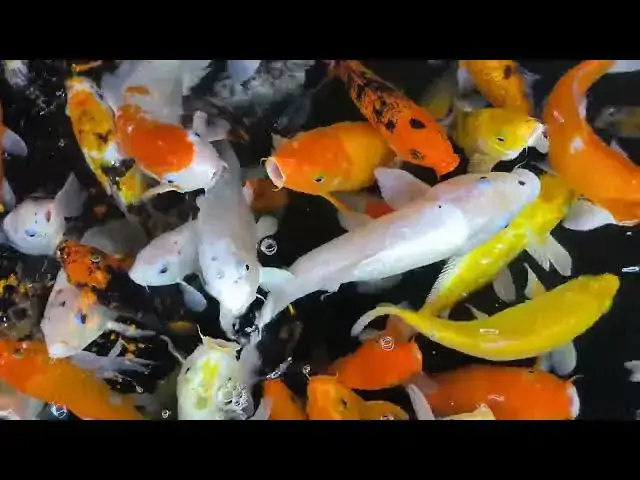
Learn about Myxosporidiosis, a parasitic disease affecting Koi fish. This video covers how to spot symptoms, treat infected fish, and prevent the disease in your pond. Discover essential tips for maintaining Koi health and creating an optimal environment for your aquatic pets.
Show More Show Less View Video Transcript
0:00
mosos in koi identification treatment
0:04
and prevention mosos is a serious
0:07
parasitic disease that affects koi fish
0:10
potentially causing severe health issues
0:12
and even death if left untreated in this
0:15
video we'll explore how to identify and
0:18
treat this condition ensuring the
0:19
well-being of your beloved koi mixeos is
0:23
caused by microscopic parasites
0:25
belonging to the mix Ooa group these
0:28
parasites typically enter the co body
0:30
through contaminated food or water once
0:33
inside they can affect various organs
0:35
including the kidneys liver and gills
0:38
leading to a range of health problems
0:41
identifying mosos in koi can be
0:44
challenging as symptoms may vary
0:46
depending on which organs are affected
0:48
common signs include swelling or lumps
0:50
on the body particularly around the fins
0:52
or gills affected fish May exhibit
0:55
abnormal swimming patterns lethargy or
0:57
loss of appetite in severe cases
1:00
you might notice protruding eyes pale
1:02
gills or visible cysts on the skin if
1:05
you suspect your koi might have miosis
1:09
it's crucial to seek professional help a
1:11
veterinarian specializing in fish health
1:14
can perform a thorough examination this
1:16
typically involves microscopic analysis
1:19
of tissue samples or body fluids to
1:21
confirm the presence of mioa parasites
1:24
early diagnosis is key to successful
1:26
treatment and preventing the spread to
1:28
other fish in your pond treating mios
1:30
perosis can be challenging but several
1:33
options are available one common
1:35
approach is the use of antiparasitic
1:37
medications such as prantel or
1:40
metronidazol which can be administered
1:42
through food or directly in the water in
1:44
some cases salt baths may be recommended
1:47
to help reduce stress and improve the
1:49
fish's overall health during treatment
1:51
it's important to note that treating the
1:53
entire Pond is often necessary to
1:56
prevent reinfection this may involve
1:59
temporary arily removing the fish to a
2:01
quarantine tank during treatment
2:03
additionally improving water quality and
2:06
reducing organic waste in the pond can
2:08
help create an environment less
2:10
favorable for parasite growth prevention
2:12
is always better than cure when it comes
2:15
to mixus perosis maintain excellent
2:17
water quality in your Koi pond by
2:19
regularly testing and adjusting
2:21
parameters such as eh ammonia and
2:25
nitrate levels Implement a robust
2:27
filtration system and perform regular
2:30
water changes to keep the environment
2:31
clean when introducing new fish to your
2:33
pond always quarantine them for at least
2:36
4 weeks this allows you to observe for
2:38
any signs of disease before exposing
2:41
your existing koi population
2:43
additionally avoid overfeeding your fish
2:46
as excess food can contribute to poor
2:48
water quality and increase the risk of
2:50
parasitic infections mios perosis is a
2:53
serious threat to coai health but with
2:56
proper knowledge and care it can be
2:57
managed effectively by staying vigilant
3:00
for symptoms seeking prompt professional
3:02
help when needed and maintaining optimal
3:05
Pond conditions you can protect your koi
3:07
from this and other parasitic diseases
3:10
remember a healthy Pond environment is
3:12
the foundation for thriving beautiful
3:15
coy fish
#Health
#Pets & Animals
#Fish & Aquaria
#Fish & Aquaria
#Science
#Aquaculture