Up next in 10


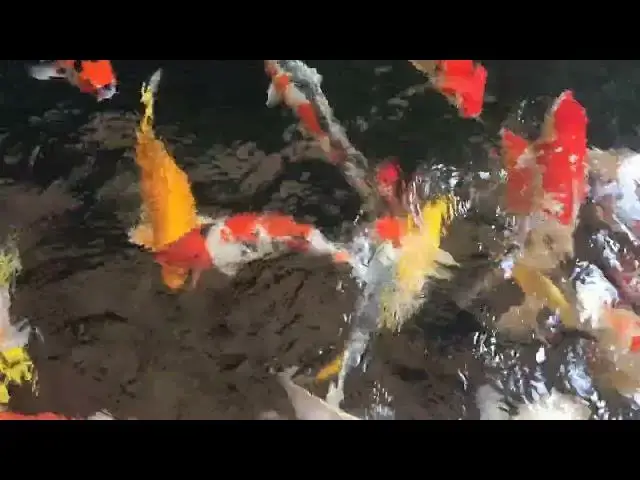
Discover the vibrant tradition of Koinobori, the carp-shaped streamers that fill Japan's skies during Children's Day. Learn about its cultural significance, history, and how it represents parents' hopes for their children's futures. This video explores the symbolism behind the carp, the arrangement of flags, and how this centuries-old custom has adapted to modern times while preserving its core values.
Show More Show Less View Video Transcript
0:00
coore Japan's colorful carp flags for
0:03
children's day imagine a sky filled with
0:06
vibrant undulating streamers shaped like
0:09
carp their scales shimmering in the
0:11
spring Breeze this captivating site is
0:14
coob borei a beloved Japanese tradition
0:17
that transforms the landscape into a sea
0:20
of color each May coori which literally
0:23
translates to carp streamers is an
0:26
integral part of the annual Children's
0:28
Day celebration in Japan this festive
0:31
display of carp-shaped flags is more
0:33
than just a visual spectacle it carries
0:36
deep cultural significance and embodies
0:38
the hopes and dreams that parents have
0:40
for their children the carp was chosen
0:42
as the symbol for this celebration due
0:44
to its reputation in Japanese folklore
0:47
known for its strength and determination
0:49
the carp is said to be capable of
0:51
swimming upstream and even ascending
0:54
waterfalls this powerful image
0:56
represents the desire for children to
0:58
grow up healthy strong and capable of
1:01
overcoming life's obstacles
1:03
traditionally a set of coin bore
1:05
consists of several flags on a single
1:07
pole at the top you'll find a pair of
1:10
streamers shaped like a windstock
1:12
followed by a black carp representing
1:14
the father a red carp for the mother an
1:17
additional smaller carp for each child
1:19
in the family the number and colors of
1:21
these smaller carp can vary often with
1:23
blue or green for boys and pink or red
1:26
for girls the origins of coori can be
1:29
traced back back to the Ido period
1:31
around the 17th century it evolved from
1:33
an earlier tradition called Tango noku a
1:37
festival to ward off evil spirits and
1:39
pray for the health of young boys over
1:41
time this celebration merged with girls
1:44
day eventually becoming Children's Day a
1:46
national holiday celebrated on May 5th
1:49
in modern Japan coori flags are flown
1:52
from late April through early May
1:55
families hoist these colorful banners
1:57
outside their homes while larger
1:59
displays can can be seen in public
2:00
spaces creating a festive atmosphere
2:03
throughout towns and cities some
2:05
communities even organize impressive
2:07
installations featuring hundreds of carp
2:09
streamers spanning rivers or adorning
2:11
tall poles in Parks the celebration has
2:14
also adapted to Urban living in
2:16
apartments where outdoor displays aren't
2:18
feasible families often hang miniature
2:21
coin aore indoors or display them on
2:23
balconies some creative interpretations
2:26
include coino borei theme decorations
2:29
toys and even special Foods shaped like
2:31
cark poori is more than just a visual
2:34
celebration it's a time for families to
2:36
come together reflect on their hopes for
2:38
their children's Futures and participate
2:41
in various activities many households
2:43
prepare special foods such as chimaki
2:45
which are sweet rice dumplings wrapped
2:47
in bamboo leaves and Kiwa Mochi rice
2:51
cakes filled with sweet bean paste and
2:53
wrapped in oak leaves the tradition of
2:55
coin beautifully encapsulates the
2:58
Japanese cultural values of family Unity
3:01
respect for tradition and the importance
3:03
placed on children's growth and success
3:05
it serves as a colorful reminder of the
3:08
aspirations and good wishes that float
3:10
on the spring Breeze carrying the hopes
3:13
of parents for their children's Bright
3:15
Futures as the cart Flags dance in the
3:17
wind they not only create a stunning
3:19
visual display but also weave together
3:22
threads of History culture and family
3:25
bonds P Bor stands as a testament to the
3:28
enduring Spirit of Japanese Traditions
3:30
adapting Through the Ages while
3:32
maintaining its core message of Hope and
3:34
celebration for the Next Generation
#Family
#Children's Interests
#Fish & Aquaria