Up next in 10


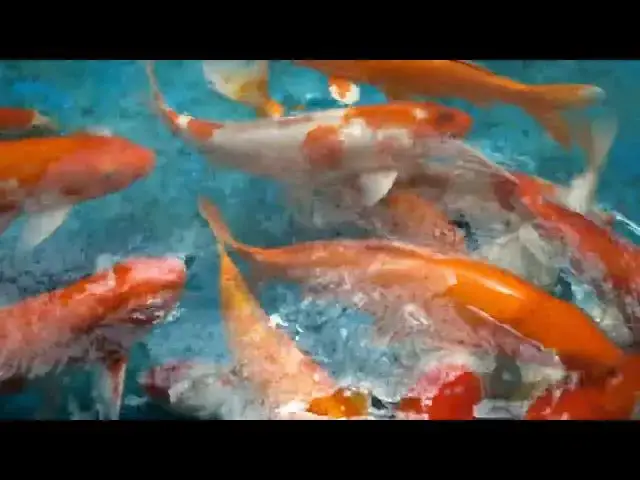
Learn how to maintain optimal water conditions in your new koi fish pond. This video covers key water parameters, testing methods, and practical solutions for common issues like high ammonia, pH imbalance, and algae growth. Discover the importance of proper filtration, oxygenation, and regular maintenance to create a healthy environment for your koi.
Show More Show Less View Video Transcript
0:00
Koi pond water quality essential tips
0:02
for new owners koi fish are beautiful
0:05
and captivating creatures but their
0:08
health and vitality depend heavily on
0:11
the quality of water in their Pond for
0:13
new Koi pond owners maintaining optimal
0:16
water conditions can be challenging in
0:18
this video we will explore how to
0:20
address water quality issues in new koi
0:22
fish ponds ensuring your aquatic friends
0:25
thrive in their environment new koi
0:27
ponds often face several water quality
0:29
challenges Alles these can include High
0:31
ammonia levels fluctuating each
0:34
inadequate dissolved oxygen and
0:37
excessive algae growth these issues
0:39
arise because the Pond's ecosystem is
0:41
not yet established and beneficial
0:44
bacteria have not colonized the
0:45
filtration system in sufficient numbers
0:47
to maintain a healthy environment for
0:49
your koi it is crucial to monitor
0:52
several key water parameters these
0:54
include ammonia nitrate nitrate P
0:58
dissolved oxygen and water temperature
1:01
each of these factors plays a vital role
1:03
in the overall health of your pond and
1:05
its inhabitants regular testing is
1:08
essential to stay on top of your Pond's
1:10
water quality you can use Liquid test
1:12
kits or electronic meters to measure
1:14
these parameters for beginners liquid
1:17
test kits are often more affordable and
1:20
easier to use test your pond water at
1:22
least once a week and more frequently
1:24
during the initial setup phase or when
1:25
you notice any changes in your koise
1:27
behavior when addressing water quality
1:29
issues start by ensuring your filtration
1:31
system is adequate for your pond size
1:33
and fish load a properly sized filter
1:36
helps remove waste and maintain
1:38
beneficial bacteria colonies if ammonia
1:41
or nitrite levels are high perform
1:44
partial water changes of 20 to 30% every
1:47
few days until levels stabilize be sure
1:50
to use a water conditioner to remove
1:52
chlorine and chloramine from tap water
1:54
before adding it to your pond to
1:56
increased dissolved oxygen levels
1:58
consider adding an air pump or waterfall
2:00
feature these not only oxygenate the
2:02
water but also create water movement
2:04
that koi enjoy if P levels are unstable
2:08
use p8 buffers designed for coons to
2:11
gradually adjust and stabilize the water
2:14
chemistry algae overgrowth is common in
2:16
new ponds due to excess nutrients and
2:19
lack of competition to combat this
2:22
reduce feeding remove excess organic
2:24
matter and consider adding floating
2:27
plants that compete with algae for
2:28
nutrients in in severe cases you may
2:31
need to use algicides but be cautious as
2:34
these can affect water quality if not
2:37
used properly establishing a regular
2:39
maintenance routine is key to long-term
2:42
water quality management this includes
2:45
skimming debris cleaning filters and
2:47
Performing partial water changes as your
2:50
pond matures beneficial bacteria will
2:52
colonize the system helping to break
2:55
down waste and stabilize water
2:57
parameters remember maintaining water
2:59
quality in a koi pond is an ongoing
3:02
process by consistently monitoring and
3:05
addressing issues as they arise you
3:07
create a stable healthy environment
3:09
where your koi can flourish with
3:11
patience and diligence you will soon
3:14
have a thriving ecosystem that brings
3:17
joy and Tranquility to your outdoor
3:20
space
#Pets
#Fish & Aquaria
#Fish & Aquaria