Up next in 10


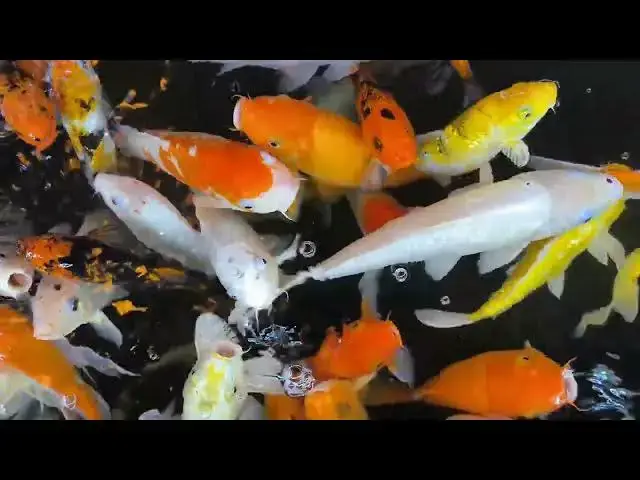
Learn about the importance of water flow in koi ponds and discover the ideal circulation rates for healthy, happy koi. This video covers the benefits of proper water movement, factors affecting flow rates, and practical tips for maintaining optimal conditions in your pond.
Show More Show Less View Video Transcript
0:00
Koi pond water flow what's best for your
0:02
fish koi fish with their vibrant colors
0:05
and graceful movements have captivated
0:08
Pond enthusiasts for centuries but when
0:10
it comes to caring for these living
0:12
Jewels there's a common belief that koi
0:14
require a specific water flow in their
0:16
ponds today we're diving into this claim
0:19
to separate fact from fiction koi fish
0:22
are descendants of the common carp
0:24
originally found in the slow moving
0:27
rivers and lakes of East Asia in their
0:29
natural habitat these fish experience
0:32
varying water flow conditions from
0:34
gentle currents to nearly Still Waters
0:36
this adaptability is key to
0:38
understanding their needs and captivity
0:40
water flow is indeed crucial in Coons
0:45
but the idea that there's one specific
0:47
flow rate that all koi require is a myth
0:49
in reality koi can thrive in a range of
0:52
water flow conditions provided other
0:54
water quality parameters are met so
0:56
what's the ideal water flow for a koi
0:58
pond while there's no one size fits all
1:02
answer a general guideline is to aim for
1:05
a flow rate that turns over the entire
1:07
Pond volume once every 1 to 3 hours for
1:10
example a 1,000g pond would benefit from
1:14
a pump that moves between 330 and 1,000
1:18
Gall per hour proper water flow offers
1:20
several benefits to koi it helps
1:22
distribute oxygen throughout the pond
1:25
prevents stagnant areas where harmful
1:27
bacteria can proliferate and AIDS in the
1:29
removal of waste based products a good
1:30
circulation also helps maintain
1:32
consistent water temperature and
1:34
distributes beneficial bacteria and
1:36
nutrients the optimal flow rate for your
1:38
Koi pond can vary based on several
1:41
factors these include Pond size shape
1:44
and depth the number and size of fish
1:46
plant density and environmental
1:49
conditions such as temperature and
1:51
sunlight exposure a larger Pond or one
1:54
with more fish may require a higher flow
1:56
rate to maintain water quality to
1:58
achieve good water flow in your Pond
2:00
consider using a combination of methods
2:02
that surface agitation through
2:04
waterfalls or fountains not only creates
2:06
movement but also increases oxygen
2:09
levels submerged pumps or jets can
2:12
create currents at different depths
2:14
bottom drains are excellent for removing
2:16
settled debris and creating vertical
2:18
water movement it's important to note
2:20
that while good flow is beneficial
2:23
excessive current can stress koi
2:25
especially in smaller ponds koi should
2:28
be able to swim comfortably without
2:29
constantly fighting against the current
2:31
create areas of varying flow within the
2:34
pond allowing the fish to choose their
2:36
preferred zones regular maintenance of
2:39
your ponds filtration and pump system is
2:41
crucial to maintaining proper water flow
2:43
clean or replace filters as needed and
2:46
ensure pumps are functioning at their
2:48
optimal capacity in conclusion while koi
2:51
fish don't require one specific water
2:54
flow rate proper circulation is vital
2:57
for their health and well-being aim for
2:59
a flow rate that turns over your pond
3:01
volume every 1 to 3 hours but be
3:04
prepared to adjust based on your
3:06
specific Pond conditions and the
3:08
behavior of your fish by providing good
3:10
water flow you'll create a thriving
3:12
environment where your koi can flourish
3:15
displaying their beauty for years to
3:17
come
#Pets
#Fish & Aquaria
#Fish & Aquaria