Up next in 10


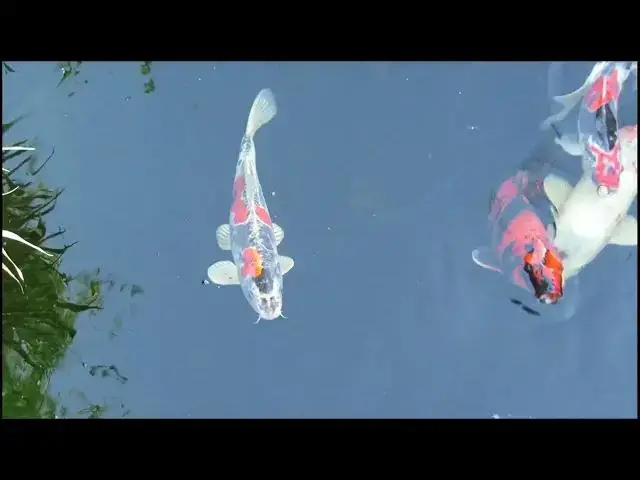
Learn to identify stress in koi fish and understand its effects on their health. This video covers behavioral and physical indicators of stress, explains how it weakens the immune system, and offers tips for maintaining a healthy koi pond environment.
Show More Show Less View Video Transcript
0:00
koi fish stress signs and health impacts
0:03
koi fish with their vibrant colors and
0:05
graceful movements have captivated Pond
0:08
enthusiasts for centuries but beneath
0:11
their Serene appearance these beautiful
0:13
creatures can experience stress which
0:16
may lead to serious health issues
0:19
understanding the signs of stress in koi
0:21
and how it contributes to disease is
0:23
crucial for any koi keeper but koi
0:25
originally bred from common carp in
0:27
Japan have become popular ornament fish
0:30
worldwide their hardiness and Longevity
0:32
make them excellent Pond inhabitants but
0:35
like all living creatures they're
0:37
susceptible to stress stress in Ko is
0:39
not just a momentary discomfort it is a
0:42
physiological response that can have
0:44
far-reaching consequences on their
0:46
health when koi experience stress their
0:49
bodies release cortisol often called the
0:51
stress hormone while this response is
0:53
normal and short bursts prolonged stress
0:56
can suppress the immune system making
0:58
koi more vulnerable to diseases
1:00
recognizing the signs of stress in koi
1:03
is the first step in preventing health
1:06
problems one of the most noticeable
1:07
signs is changes in Behavior stressed
1:10
koi may become lethargic spending more
1:13
time at the bottom of the pond or hiding
1:15
in Corners alternatively they might
1:17
exhibit erratic swimming patterns or
1:19
gasp for air at the surface more
1:21
frequently than usual another indicator
1:23
of stress is changes in appetite
1:26
stressed koi often lose interest in food
1:28
or stop eating altogether this can lead
1:30
to weight loss and further weaken their
1:33
immune system physical signs of stress
1:35
can also be observed COI May develop
1:37
pale or dull coloration as stress
1:40
affects their pigmentation in some cases
1:42
you might notice increased mucus
1:44
production on their skin which is the
1:46
fish's attempt to protect itself from
1:48
potential pathogens fin clamping where
1:51
the fish holds its fins close to its
1:53
body instead of extending them is
1:55
another common sign of stress this
1:57
behavior is often accompanied by rapid
2:00
movements as the fish struggles to get
2:02
enough oxygen now let's explore how
2:04
stress leads to disease in koi when koi
2:07
are stressed their immune system becomes
2:09
compromised this weakened State makes
2:12
them more susceptible to various
2:15
pathogens present in their environment
2:17
including bacteria parasites and viruses
2:21
stress can also cause physical damage to
2:23
the Ko's protective slime coat which
2:26
acts as their first line of defense
2:28
against pathogens when this barrier is
2:30
compromised opportunistic infections can
2:32
take hold more easily moreover stress
2:35
can exacerbate existing health
2:37
conditions or trigger latent infections
2:40
that the fish's immune system had
2:42
previously kept in check this is why a
2:44
stress koi can suddenly develop symptoms
2:46
of diseases that were not parent before
2:49
some common diseases that often result
2:51
from stress in koi include bacterial
2:53
infections like fin rot or ulcers
2:56
parasitic infestations such as itch or
2:58
flukes and viral infection like koi
3:00
herpes virus these conditions can
3:02
quickly spread through a pond affecting
3:04
other fish and potentially leading to
3:06
significant losses if not addressed
3:08
promptly to prevent stress related
3:11
diseases in koi it is essential to
3:13
maintain optimal living conditions this
3:15
includes ensuring proper water quality
3:18
through regular testing and maintenance
3:20
providing adequate filtration and
3:22
avoiding overcrowding in the pond sudden
3:25
changes in water temperature or
3:27
chemistry can be significant stressor
3:29
for KO when making Necessary changes to
3:32
the pond environment do so gradually to
3:34
allow the fish time to acclimate proper
3:36
nutrition is also crucial in maintaining
3:39
the health and stress resistance of KOA
3:41
provide a balanced diet appropriate for
3:43
the season and the age of your fish
3:45
regular observation of your koi is key
3:48
to catching stress related issues early
3:51
take time each day to watch your fish
3:53
noting any changes in Behavior
3:55
appearance or feeding habits if you
3:58
notice signs of stress in your koi take
4:00
immediate action to identify and address
4:03
the cause this might involve testing
4:05
water parameters checking filtration
4:07
systems or Consulting with a koi health
4:10
specialist in conclusion recognizing the
4:13
signs of stress in koi and understanding
4:16
how it can lead to disease is vital for
4:18
maintaining a healthy Koi pond by
4:20
providing optimal living conditions
4:22
proper nutrition and staying vigilant
4:25
for any changes in your fish's Behavior
4:27
or appearance you can help ensure that
4:29
your koi remain healthy vibrant and
4:32
stress free for years to come
#Pets
#Fish & Aquaria
#Biological Sciences