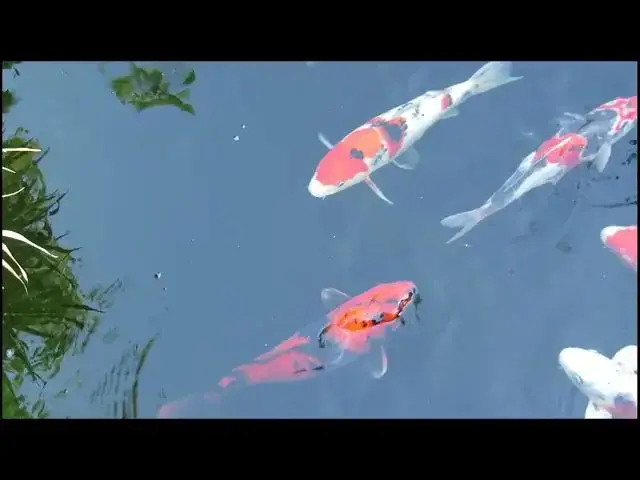
Up next in 10

Learn about the essential dietary needs of koi fish and how proper nutrition impacts their immune system and growth. Discover common feeding mistakes and best practices for maintaining healthy, vibrant koi in your pond.
Show More Show Less View Video Transcript
0:00
koi fish nutrition boosting health and
0:02
growth the vibrant colors and graceful
0:05
movements of koi fish have captivated
0:08
Pond enthusiasts for centuries but did
0:11
you know that the secret to healthy
0:14
thriving koi lies in their diet the food
0:17
these ornamental carp consume plays a
0:20
crucial role in strengthening their
0:22
immune system and promoting optimal
0:24
growth koi fish are omnivorous creatures
0:27
requiring a balanced diet of both plant
0:30
and animal-based nutrients in their
0:32
natural habitat they feed on a variety
0:34
of insects plants and small aquatic
0:37
organisms in captivity it's essential to
0:40
replicate this diverse diet to ensure
0:42
their well-being a robust immune system
0:45
is vital for koi fish to ward off
0:47
diseases and parasites several key
0:49
nutrients contribute to their immune
0:52
Health vitamin c and e act as powerful
0:55
antioxidants protecting cells from
0:57
damage omega3 fatty acids reduce
1:01
inflammation and enhance overall immune
1:04
function probiotics support beneficial
1:07
gut bacteria which play a crucial role
1:10
in immune response the growth rate of
1:13
koi fish is directly influenced by their
1:15
diet protein is the building block for
1:17
muscle development and overall growth
1:19
young koi require a higher protein
1:21
content in their diet typically around
1:23
40 to 45% while adult coin needed about
1:26
32 to 38% amino acids the components of
1:31
proteins are essential for proper growth
1:34
and tissue repair carbohydrates provide
1:36
the energy necessary for daily
1:38
activities and metabolic processes
1:40
however koi have limited ability to
1:42
digest complex carbohydrates so it's
1:45
important to provide easily digestible
1:47
sources like wheat germs many COA owners
1:50
unknowingly make dietary mistakes that
1:52
can compromise their fish's health
1:54
overfeeding is a common issue leading to
1:56
poor water quality and obesity in koi
1:59
relying solely on a single type of food
2:01
can result in nutritional imbalances
2:04
feeding inappropriate foods such as
2:06
bread or human snacks can cause
2:09
digestive problems and nutrient
2:11
deficiencies to ensure Optimal Health
2:13
and growth for your koay follow these
2:16
best practices offer a varied diet that
2:18
includes highquality commercial koi
2:21
foods supplemented with fresh vegetables
2:23
like lettuce or spinach and occasional
2:25
treats like silkworm pooie or daphnia
2:28
feed your koi small por ions multiple
2:30
times a day rather than one large meal
2:33
this mimics their natural feeding
2:35
patterns and AIDS in better digestion
2:37
and nutrient absorption adjust the
2:39
amount and type of food based on the
2:41
season in warmer months when koi are
2:44
more active they require more food in
2:46
colder months their metabolism slows
2:49
down so reduce feeding accordingly
2:52
always remove uneaten food after a few
2:54
minutes to maintain water quality the
2:57
impact of a proper diet on koi fish
2:59
extends far beyond their appearance
3:02
uh well balanced nutritious diet
3:07
strengthens their immune system allowing
3:09
them to better resist diseases and
3:11
environmental stressors it promotes
3:14
Healthy Growth vibrant colors and
3:16
Longevity by paying close attention to
3:18
your Ko's dietary needs you're not just
3:21
feeding them you're investing in their
3:23
long-term health and vitality ensuring
3:25
these living Jewels continue to bring
3:27
Beauty and joy to your pond for for
3:30
years to come
#Food
#Meat & Seafood
#Nutrition
#Vitamins & Supplements
#Fish & Aquaria
#Biological Sciences
#Fruits & Vegetables
#Meat & Seafood Substitutes