Up next in 10


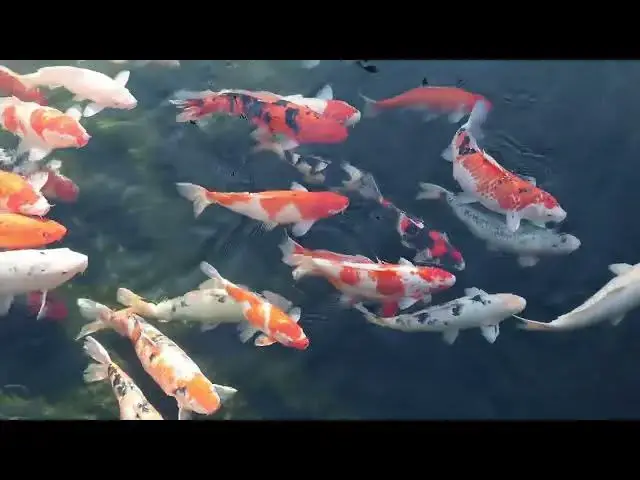
Learn how to spot, treat, and prevent mouth rot in koi fish. This video covers the causes of this bacterial infection, early warning signs, treatment options, and essential prevention strategies to keep your koi healthy.
Show More Show Less View Video Transcript
0:00
koi fish mouth rot identification
0:03
treatment and prevention mouth rot in
0:05
koi fish can be a serious and
0:08
potentially fatal condition if left
0:11
untreated this video will guide you
0:13
through the process of identifying
0:15
treating and preventing mouth rot in
0:17
your beloved koi mouth rot also known as
0:21
columnaris or cotton wool disease is a
0:24
bacterial infection that affects the
0:26
mouth gills and skin of koi fish it is
0:30
caused by the flavobacterium columnar
0:32
bacterium which thrives in poor water
0:35
conditions and can quickly spread among
0:37
fish in a pond identifying mouth Rod
0:39
early is crucial for successful
0:41
treatment look for white or grayish
0:43
patches around the mouth lips and gills
0:45
of your koi you may also notice frayed
0:47
or ragged fins and in severe cases
0:50
ulcers or lesions on the body affected
0:52
fish may show signs of Lethy loss of
0:55
appetite or difficulty breathing several
0:57
factors can contribute to the
0:58
development of mouth hot and koi poor
1:01
water quality overcrowding and stress
1:04
are the primary culprits high water
1:06
temperatures and sudden temperature
1:07
fluctuations can also weaken the fish's
1:10
immune system making them more
1:12
susceptible to infection when treating
1:14
koi with mouth rot the first step is to
1:16
isolate the affected fish this prevents
1:18
the spread of the infection to healthy
1:20
fish and allows for more targeted
1:22
treatment set up a quarantine tank with
1:23
clean well oxygenated water next focus
1:27
on improving water quality in both the
1:29
main Pond and the quarantine tank
1:31
perform a partial water change clean the
1:33
filtration system and ensure proper
1:36
aeration test the water parameters
1:38
regularly and maintain optimal levels of
1:40
ammonia nitrite and nitrate there are
1:43
several medication options for treating
1:45
mouth Rock antibiotic such as oxyr
1:49
cycline or canikin can be effective when
1:52
administered according to the
1:53
manufacturers instructions these can be
1:55
added to the water or mixed with food if
1:58
the fish are still eating in cases
2:00
antibiotic injections may be necessary
2:03
but these should only be administered by
2:05
a veterinarian experienced in treating
2:07
koi salt baths can also be beneficial in
2:09
treating mouth rot dissolve 1 tblspoon
2:12
of aquarium salt per gallon of water and
2:15
place the effected fish in this solution
2:17
for 15 to 30 minutes this helps to
2:20
reduce stress and can Aid in the healing
2:22
process during treatment maintain
2:24
excellent water quality and continue to
2:27
monitor the fish closely Improvement
2:29
should be visible within a few days but
2:32
complete the full course of treatment as
2:34
recommended to prevent recurrence
2:36
prevention is key in avoiding future
2:38
outbreaks of mouth rot maintain
2:40
consistent water quality through regular
2:42
testing and partial water changes avoid
2:45
overcrowding your pond and provide a
2:47
balanced diet to keep your koi healthy
2:49
and stress free quarantine any new fish
2:52
before introducing them to your main
2:54
Pond to prevent the introduction of
2:55
diseases by following these steps for
2:58
treatment and prevention you can
3:00
effectively manage mouth rot in your koi
3:02
fish and maintain a healthy thriving
3:05
pond ecosystem remember early detection
3:07
and prompt action are crucial in
3:09
ensuring the best outcome for your fish
3:11
your
#Infectious Diseases
#Fish & Aquaria
#Biological Sciences