Up next in 10


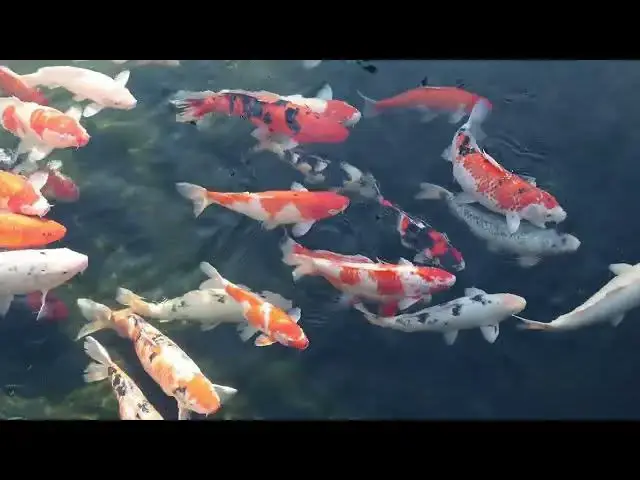
Discover the significance of koi fish in Japanese tea gardens and their role in enhancing the tea ceremony experience. Learn how these colorful carp embody cultural symbolism, aid in mental preparation, and contribute to the serene atmosphere of traditional tea gardens.
Show More Show Less View Video Transcript
0:00
KO fish in Japanese Tea Gardens a living
0:03
art picture a tranquil Japanese garden
0:05
where the gentle sound of water mingles
0:07
with the rustle of leaves beneath the
0:09
surface of a pond vibrant koi fish Glide
0:12
gracefully their presence an integral
0:14
part of a Century's old tradition the
0:17
Japanese tea ceremony the Tea Ceremony
0:20
known as chanoyu is a ritualized
0:24
practice deeply rooted in Japanese
0:27
culture it goes beyond simply drinking
0:29
tea and principles of Harmony respect
0:32
Purity and Tranquility every element in
0:34
a tea garden is carefully chosen to
0:36
create an atmosphere of Serenity and
0:39
mindfulness including colorful koi fish
0:41
swimming in nearby ponds koi have long
0:44
held a special place in Japanese culture
0:46
these ornamental carp are symbols of
0:48
perseverance strength and good fortune
0:51
Legend tells of Chloe swimming upstream
0:54
and transforming into dragons
0:56
representing the human journey of
0:58
overcoming obstacles to achieve
1:00
greatness this symbolism aligns
1:02
perfectly with the transformative nature
1:04
of the Tea Ceremony itself in
1:06
traditional Tea Gardens Koon are often
1:08
situated near the entrance or along the
1:10
path leading to the tea house as guests
1:13
approach they pause to admire the fish
1:16
their minds beginning to shift away from
1:18
the outside world the act of observing
1:20
koi becomes a form of meditation
1:23
preparing participants for the mindful
1:25
experience that awaits them in the te-
1:27
room the presence of koi and tea guard
1:29
Gardens goes beyond mere decoration
1:32
their graceful movements in the water
1:34
mirror the fluid deliberate motions of
1:36
the team Master during the ceremony the
1:38
fish embody the principle of harmony
1:40
with nature a core Concept in Japanese
1:43
Aesthetics and the Tea Ceremony their
1:45
vibrant colors Reds Golds and whites
1:49
provide a living contrast to the often
1:51
muted tones of the surrounding Garden
1:54
creating a balance that pleases the eye
1:56
and calms the spirit to also serve as a
1:58
reminder of the imper and cyclical
2:00
nature of Life Concepts Central to Zen
2:03
philosophy which heavily influences the
2:06
Tea Ceremony as the fish move in and out
2:08
of view appearing and disappearing
2:10
beneath lily pads or into the depths of
2:13
the pond they encourage observers to
2:15
embrace the present moment a key aspect
2:18
of the key ceremony experience the sound
2:20
of water created by the koise movements
2:22
adds another sensory element to the
2:24
Garden this gentle natural music helps
2:27
to mask any noise from the outside world
2:29
further isolating the Tea Garden as a
2:32
sanctuary of Peace it creates an
2:34
auditory transition preparing guests
2:37
orally for the quietude of the ke- room
2:40
practically speaking maintaining KO in a
2:43
tea garden requires dedication and Care
2:45
much like the tea ceremony itself the
2:47
fish need clean water proper feeding and
2:50
protection from predators this ongoing
2:52
care becomes part of the overall
2:55
maintenance of the key Garden reflecting
2:57
the attention to detail and respect
3:00
for living things that are Hallmarks of
3:03
Japanese culture in essence Cody fish in
3:06
Japanese Tea Gardens Are Not Mere
3:08
decorations but active participants in
3:11
the ceremony experience they embody
3:13
important cultural symbols Aid and
3:15
mental preparation enhance the aesthetic
3:18
environment and reinforce the
3:20
philosophical underpinnings of the Tea
3:22
Ceremony their presence transforms a
3:24
simple Pond into a living moving work of
3:27
art that complement and enrich which is
3:30
one of Japan's most revered Traditions
3:33
as we appreciate the role of ko in the
3:35
Tea Ceremony we gain a deeper
3:37
understanding of the interconnectedness
3:39
of nature art and ritual in Japanese
3:42
culture
#Online Media
#People & Society
#Biological Sciences