Up next in 10


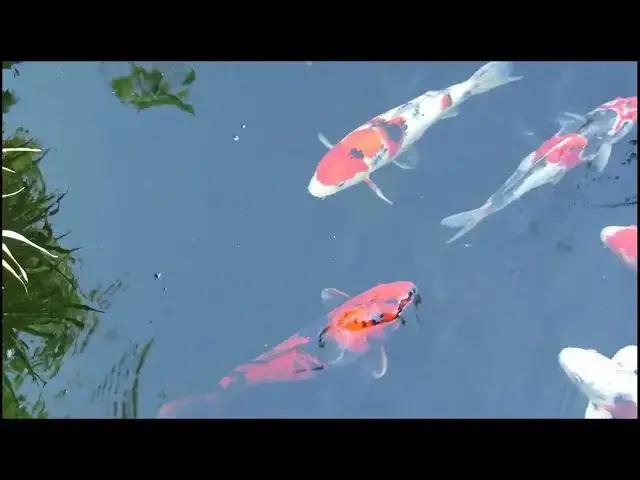
Learn effective strategies for managing koi fish growth, especially those with genetic predispositions affecting their size and development. This video covers balanced diets, water quality maintenance, pond design, selective breeding, and monitoring techniques to ensure healthy koi populations.
Show More Show Less View Video Transcript
0:00
KOA fish growth management handling
0:02
genetic factors KOA fish with their
0:05
vibrant colors and graceful movements
0:07
have captivated Pond enthusiasts for
0:09
centuries but raising these living
0:11
Jewels comes with unique challenges
0:14
especially when it comes to managing
0:16
their growth today we will explore how
0:18
to effectively manage the growth of koi
0:21
fish that have genetic predispositions
0:23
affecting their size and development
0:25
genetic predispositions in koi fish
0:28
refer to inherited traits that influence
0:30
various aspects of their growth and
0:33
appearance these can include growth rate
0:36
maximum size potential body shape and
0:39
even color patterns some koi may have
0:41
genes that predispose them to Rapid
0:44
growth While others might be genetically
0:46
inclined to remain smaller understanding
0:48
these genetic factors is crucial for
0:51
providing Optimal Care and managing
0:53
expectations for your koi population
0:55
managing the growth of koi fish is
0:56
essential for several reasons proper
0:59
growth management ensures the overall
1:01
Health and Longevity of your koi
1:03
maintains the aesthetic appeal of your
1:05
pond and prevents overcrowding issues
1:08
for coing with genetic predispositions
1:10
towards Rapid growth careful management
1:12
becomes even more critical to avoid
1:15
potential health problems associated
1:17
with accelerated development now let us
1:20
delve into specific strategies for
1:21
managing growth in koi with genetic
1:23
predispositions first and foremost
1:25
providing a balanced diet is crucial for
1:28
fast growing koi it is important to
1:31
offer a highquality protein Rich diet
1:33
during their early years to support
1:35
healthy development however as they
1:37
mature gradually transitioning to a
1:40
lower protein diet can help control
1:42
excessive growth conversely for koi with
1:45
slower growth Tendencies maintaining a
1:48
consistent nutrient dense diet
1:51
throughout their lives can help them
1:52
reach their full potential water quality
1:55
plays a significant role in koi growth
1:57
management maintaining optimal water
2:00
parameters including temperature a and
2:03
ammonia levels is essential for Healthy
2:05
Growth for fast growing koi slightly
2:09
cooler water temperatures can help slow
2:11
down their metabolism and growth rate
2:14
regular water testing and frequent
2:16
partial water changes are vital to
2:18
ensure a healthy environment for all
2:19
your koi regardless of their genetic
2:22
predispositions pawn siiz and design are
2:24
also critical factors in managing koi
2:27
growth providing adequate space is
2:29
essential
2:30
especially for coate with rapid growth
2:33
Tendencies a general rule of thumb is to
2:36
allow at least 1,000 L of water per
2:38
adult koi additionally incorporating
2:41
various depth zones in your pond can
2:43
accommodate the needs of different sized
2:45
koi and provide areas for exercise which
2:48
is crucial for maintaining healthy
2:49
growth patterns selective breeding and
2:52
culling can be effective long-term
2:54
strategies for managing growth in your
2:56
koi population by carefully selecting
2:59
parent fish with desirable growth
3:01
characteristics you can influence the
3:03
genetic predispositions of future
3:05
Generations culling or removing fish
3:08
that exhibit extreme or undesirable
3:10
growth patterns can help maintain a
3:12
balanced and healthy koi population
3:15
regular monitoring and recordkeeping are
3:17
essential Tools in managing koi growth
3:20
by tracking the size weight and overall
3:23
health of your koi over time you can
3:25
identify any unusual growth patterns
3:27
early and adjust your management
3:29
strategy IES accordingly this is
3:31
particularly important for koi with
3:33
genetic predispositions towards Rapid
3:35
growth or other unique developmental
3:37
traits it is important to note that
3:39
managing growth in koi with genetic
3:41
predispositions can present some
3:43
challenges one common issue is the
3:45
potential for stunted growth in koi with
3:48
slower growth Tendencies to address this
3:51
ensure that these fish receive adequate
3:53
nutrition and are not outcompeted for
3:56
food by faster growing koi consider
3:58
separating koi by size during feeding
4:01
times if necessary another challenge is
4:03
preventing obesity in fast growing KO
4:06
overfeeding can lead to excessive weight
4:08
gain which can cause health problems and
4:11
reduce lifespan to combat this carefully
4:14
measure food portions and adjust feeding
4:16
frequency based on the season and water
4:18
temperature in conclusion managing
4:21
growth in koi fish with genetic
4:23
predisposition requires a multifaceted
4:26
approach by understanding the genetic
4:28
factors at play providing appropriate
4:30
nutrition maintaining optimal water
4:32
conditions and implementing thoughtful
4:34
Pond management strategies you can
4:37
successfully nurture your koi to their
4:39
full potential while maintaining their
4:41
health and beauty remember each koi is
4:44
unique and adapting your care to their
4:46
individual needs is key to successful
4:48
growth management
#Agriculture & Forestry
#Pets
#Fish & Aquaria
#Fish & Aquaria
#Aquaculture