Up next in 10



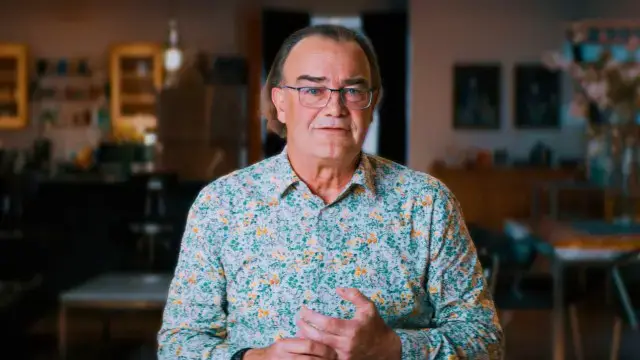
“Old systems of the past are collapsing, and new systems of the future are still to be born. I call this moment the great progression.”
Show More Show Less View Video Transcript
0:00
Okay, here we go. Peter, take one. Mark
0:03
We're living in an extraordinary moment in history. We are at a moment here in 2025 where we have world historic, game-changing technologies now starting to scale
0:15
Artificial intelligence, clean energy technologies, bioengineering, all here. We're at the cusp of a potentially a great era of progress
0:23
But America and the world itself are going through huge contortions. Old systems of the past are collapsing and new systems of the future are still to be born
0:34
I call this moment the great progression. I'm Pete Lydon. I've been here in San Francisco for 30 years
0:43
I've basically been following the story of technology and its evolution and looking ahead into how it's going to change the world over the next 25 years
0:50
and my current project right now is looking at the great progression
0:54
but I think it's going to be a great era of great progress from now until about the year 2050
1:08
So, Peter, let's start off with something nice and straightforward. Could you just describe for us what was the long boom
1:13
and maybe what pulled into this whole topic of human progress? Well, way back, way back in the 90s, when the very beginning of this digital revolution and the earliest days of the Internet
1:25
there was really only one place in the world that was really all over that, and that was Wired Magazine
1:29
The founders of Wired picked up on me as a kind of young journalist
1:34
as someone who kind of had the same kind of sensibility about the transformative nature of these technologies
1:39
And so they wooed me to work with them in the early days of Wired. Now, what's interesting about those days in the early part of that was people had no idea what was even going on with the Internet and literally what's email, what's the web and there was stuff like that
1:54
They had no idea how these goofball startups with names like Amazon were ever going to amount to anything
2:00
There was all these naysayers in the mainstream media and pundits in the government that were saying no one in their right mind is going to put their credit card on the Internet
2:07
I mean, we had all these myths from the Wired era of trying to explain what was really coming in the next 25 to 30 years
2:15
And so what was interesting is I was working with the founders there and we thought in the middle of the 90s
2:19
there was a point where someone had to breathe life into what is a digital economy
2:25
How is it different from previous economies? How could that scale and really make a big difference
2:30
How could it supersede the current conventional 20th century economy? And the other thing that was going on there beyond the digital revolution and the beginnings
2:39
of the internet was essentially the beginning of globalization. And so those two things that people at the time in the mid-90s had no idea what a big
2:45
deal that was. And so myself and a co-author, which was Peter Schwartz, who was probably the premier futurist
2:51
at the time, he and I worked for about a year it took us to really build out what was essentially
2:56
a famous, iconic cover story at Wired that was called The Long Boom
3:01
And it was a history of the future, the story from 1980, which is in our past, to 2020, which was in our future, written in the mid-90s there
3:09
But we told it like we were historians in the future, explaining this amazing era of essentially what we were going through at the time
3:18
Now, not all of it in the mid-90s. You can't predict everything right
3:22
And by the way, we weren't necessarily saying flat out it's a prediction. We were saying, hey, these technologies, these trends like globalization have the potential
3:31
to do many, many positive things. And so the long boom was really askewed towards the positive possibilities of these technologies
3:39
and this integration of the global economy. And so what we did lay out there, I would argue, is largely came to pass
3:46
And in fact, there's a lot of ways to measure that. And once we passed 2020, there was all kinds of stories that people kind of checking back
3:52
on our work. There were many things that were completely nailed. We were saying, hey, the doubling of computer chips was going to continue under Moore's
3:59
law for 25 more years. And it did. When we wrote this, there were 25 million Americans in the mid-90s on the internet
4:06
And by 2020, we had 60% of the world. It's 4 billion people on it
4:10
So anyhow, a lot of the through lines of what we were saying happened. There were some minor things that didn't happen
4:16
We actually thought humans would get to Mars by 2020. We thought there was enough energy towards that
4:21
We thought there'd be more progress, honestly, on climate change than we ended up in the end
4:26
But we didn't understand the backlash to that the way we've actually been struggling for the last 20 years
4:31
But in general, it was very much a kind of vision that actually people could really see
4:36
And it really clicked with people. And it actually energized both the entrepreneurial generation that was building it, like they were inspiring them to fill it out
4:44
And then it also kind of helped people outside Silicon Valley and outside the Bay Area and outside California to understand, oh, my God, this is possible
4:51
And if it's possible, maybe we need to get on the on the get with the program and come along
4:55
This isn't a new story in America and globally. And tell us how often these epoch resets happen
5:02
Now, to really understand where we are and where we're going, you have to kind of pull back a little bit and understand, at least from my perspective, how the world works
5:12
And I think one of the things that I think people can really underestimate is how foundational
5:18
new technologies are to kind of creating essentially the context for a new world
5:24
Now, those of us who are in technology and those of us who have been immersed in it
5:28
which I have been for most of my career now, can see clearly these kind of incremental
5:34
stages of these new technologies, that all successful new technologies go through a technology
5:39
adoption curve that essentially starts out with very few innovators trying it and then some early
5:45
adopters who kind of use it. Then there's a kind of early majority of people that start to think
5:50
oh my God, this is an interesting thing. And then the late majority think, oh my God
5:54
my neighbor's doing this way. I'm going to take on with that. And they grab on. And then you eventually get to the point where you even get the laggards. Everybody in society has to take on
6:00
let's say, a color TV set because you can't even buy a black and white TV set. All technologies
6:06
have gone through this. So those of us have kind of are in the technology world, have seen this
6:10
over and over and over again with technology. And the key piece of this is tipping points
6:16
When do you go from the slow, slow build of a thing that's kind of clunky and not really working
6:22
and these cell phones don't really work to you all of a sudden get an iPhone that goes, holy shit
6:27
this is the most amazing thing in the world and then everybody needs it. And what I'm trying to
6:30
tell you now is we are in the middle of three tipping points that are world historic changes
6:37
that are happening around us today. And the most obvious one is the arrival of artificial
6:42
intelligence. Literally, this is the biggest technological story I have ever lived through
6:47
It's going to go through the roof of exponential growth and it's going to hit all fields at some
6:53
level. Because anything people do with intelligence, you're going to have to rethink, is the machine
6:58
going to do this or is a human going to do this? And then the other thing about it is if the machines
7:02
do enough of it, the humans are going to take the machines to augment themselves and go to the next
7:06
level of problems, the next level of jobs, a whole nother thing. Anyhow, that's one tipping point
7:11
There's another tipping point, which I won't go into the same detail, but around clean energy technologies. That solar, which has been this incremental thing, just like the internet or just
7:20
like AI, going through these stages of still expensive, kind of clunky, not really taking off
7:24
has taken off big time in the last 10 years And that thing is hitting tipping points around the world and is going to exponential growth And there some other ways we can talk about later about bioengineering and synthetic biology
7:35
which is more complicated and a little bit later than that. But it is getting to the point now
7:39
where we can see in the next 25 years, we're gonna be able to engineer all living things
7:44
And so these are huge shifts in our technology. And so getting back to the bigger picture
7:48
what we're talking about is once you give essentially a society, an economy, a society, a people, those kind of technological powers, it starts to
8:00
essentially force a transformation of the economy, society, and just how things work
8:08
And so the old system, how we did it all through the 20th century, and how it had worked really
8:13
well, and how all these people were kind of tied into that, are essentially invested in that thing
8:19
But that thing is getting dysfunctional. It's getting long in the tooth
8:23
And this goes everything from carbon energy technologies, which is causing climate change
8:27
to essentially government bureaucracies that can't work like they did, you know
8:31
over the last 80 years, getting increasingly difficult to work. So you're watching an old system being essentially dismantled or having to come down
8:38
At the same time, as we're taking off on these new technologies to build the next systems
8:42
we're in the middle of that. Right now is smack in the middle of that in our era
8:47
But we've also seen this in American history before. There's been other areas where this exact thing has happened
8:51
and we can kind of learn from them if we look back. There's been three previous junctures where Americans have found themselves in this exact place
9:04
Now, that's not to say it's common. You know, this is 80 years ago, the last time we saw this
9:08
and they tend to come in these 80-year cycles. Many people might think, why 80 years
9:15
What happens every 80 years? Now, there's a lot of things going on here
9:18
One is there's usually a set of new technologies that are ready to take off that are essentially
9:23
not under development, but are essentially about to scale up. And you can go back in history and show how that happened at every one of these eight
9:29
year junctures. There's also a kind of economic reason of how essentially economies boom into long booms
9:36
of technological booms, but also economic booms, and then they die out
9:40
but the one of the main reasons is essentially that comes up to a essentially changing the guard
9:47
of generations and so there are some lessons you can learn some patterns you can see there
9:51
and some lessons we could learn that'll help us kind of understand what's really going around
9:55
today and what we need to do going forward the last big one was coming off world war ii 1945
10:02
it is exactly 80 years ago from 2025 where we are here 80 years ago america was on a very
10:10
similar parallels. And there's a bunch of parallels around this. One, we basically were watching
10:16
the essentially dismantling of the old world that had been working pretty well, the economy
10:22
and societies of the West. There'd been a wave of new technologies. There had been a boom around
10:27
that. And then there'd been a crash in the great crash of 29. And you run into the Great Depression
10:33
of the 1930s. Now, what that was, was the old system of running the economy just wasn't working
10:38
huge inequalities, all these kind of problems around that. So you were watching essentially the need to fundamentally reinvent the economy
10:44
But before we get to the new system, you get to the other pattern of all these junctures
10:50
You get extremely high, passionate politics. And so what happens is you watch these junctures in American society, we get super polarized
11:01
around two visions of essentially the way we go forward. One is let's hang on to what we did or go back and make America great again the way we
11:08
did. There's another crew that says, no, we got to move forward and innovate and be more progressive
11:12
and kind of drive another progressive era. And those junctures happen at these times. And it
11:18
gets extremely conflictual. And to be fair, in the 1930s in America, people forget this part of
11:24
America, but there was an America First movement that really took over the Republican Party. There
11:29
were essentially American level fascists in the 30s. And we were on the verge of kind of violent
11:36
conflict in America. And then you had this kind of FDR and the kind of New Deal coalition that
11:43
was kind of came out of the depression that was pointing towards a kind of different way to run
11:48
the economy and the society post-war. And they started to get traction. But anyhow, we had to
11:53
resolve this political tension in America. And frankly, it had to do it in the world because
11:57
the world also is going through this juncture. And after the war, though, we watched the updraft
12:02
of the next system. And this is important to know. Yes, there's conflict. Yes, there's this kind of
12:07
collapse of the old system. But what's amazing about these things is they have bursts
12:11
of unbelievably widespread innovation that lasts for, what do you know, 25 years
12:18
And so from 1945 to 1970, we watched the great post-war boom
12:23
Many people call it the kind of high point of global capitalism
12:27
And you built this crazy economy where you did many things that were completely different
12:32
than the previous era. Tax the rich at 90%. You watch incredible investment in public infrastructure
12:37
like the interstate highway system and building suburbs. You basically watch the GI Bill and
12:42
education, building higher institutions for higher education, expanding it for the boomers
12:47
all that kind of stuff. That all happened in 25 years. The Great Society, the whole thing
12:51
25 years. And then we ran in the 70s. It started kind of getting along in the tooth. And it wasn't
12:55
kind of the boom started running out, stagflation, oil shocks. But here's the point. That was a good
13:00
example within recent memory of let's say my mother who is in that gen that that older generation
13:05
where we watched a very similar thing all three of those pieces old system had to come down and
13:10
got wasn't working super conflict around it and ultimately the building of a thing that was
13:16
dramatically different than before we've been through that before and funny enough like I say
13:19
if you go another 80 years back we did it once time before that too
13:23
so from 1945 you go back exactly 80 years and it's 1865 what is 1865 it's the end of the American
13:36
Civil War now this is a good example of how passions run very high and political conflict
13:42
is extreme at these junctures and the Civil War was the most extreme I mean we literally had to
13:47
have 750,000 Americans died in the Civil War. I mean, you talk about, you know, you think
13:53
hey, it's a little edgy now and we're a little worried about political violence breaking out. Yeah, we've been there. I mean, we've seen how that happens. Now, what was going on there
14:00
This is probably the most easiest way to understand the old systems failing, because
14:05
America, since the founding, had been in tension with these two economic systems
14:10
One was essentially a system of the early manufacturing economy where you needed free
14:15
labor in the North, essentially to create an economy that's reminiscent of what we still have
14:19
now. But in the old South, we basically had slavery. And yes, there was a human rights aspect
14:26
to that, but really it was an economic thing, which is the powers that be, political people
14:31
and economic powers of the South were absolutely dependent on slavery. They could not survive
14:39
together. We had to bring down finally and fully essentially an economy that was essentially based
14:46
on slave labor. There was the moral reasons for that, but it was an economic reason for it. We
14:49
had to stop that And when we decided to do that which is in the 1850s it started getting clear that we going to have to do this One side the South side essentially seceded They said no we not going there We not going to give it up We not going to let go of this old system We going to fight to the death on the thing And they wanted to secede And then when
15:08
we wouldn't let them secede, they basically had the Civil War. And so this is a good example
15:12
There's a similar system that has to go down in our era, I'll just say, and let's just call it
15:17
carbon energy. We cannot keep carbon energy going the way we have for the last 250 years of the
15:22
Industrial Revolution without destroying the planet. And so what you're seeing through the
15:26
lens of that same kind of system that must be dismantled, you're watching the similar resistance
15:32
of anyone rooted in the oil economy, whether it's oil petro states, whether it's regions of the
15:38
country that are rooted in that in some of the red states in the United States, whether it's
15:42
you know, political platforms of like, you know, trying to kind of deny climate change
15:47
The same thing is it's a similar kind of thing. It isn't quite to civil war doubt
15:52
But you can see how old systems that have to be dismantled, there's a lot of people invested in that are very resistant to shifting
15:58
And so that we saw it in the Civil War. Now, the thing that people do not know about the Civil War, I don't really remember as much about the Civil War
16:04
is the Civil War after 1865 had an unbelievable explosion of progress
16:10
That lasted for, what do you know, 25 years. What they called the Republican Party, which was the progressive kind of side of that conflict
16:18
not the conservative hold the old thing, but move forward. they passed some just unbelievable landmark legislation
16:26
For example, the Homestead Act, which is you gave anybody who went out west
16:30
150 acres for free. If you just went out there and basically helped tame the west
16:39
There was also land-grant universities where they essentially, all these little states
16:42
started building institutes of higher education to educate average people beyond the kind of Harvards of the East Coast
16:49
but also to be pushing scientific understanding of agriculture going. So there was a lot of governmental driven, but also economic kind of progress in that
16:59
But here's the other progress that was going on. It was technology. The technology of that time was essentially, think of it, one of them is trains
17:06
Before the Civil War, we had trains, just like, you know, had computers before the internet, boom
17:11
There are these beginnings of these technologies. But it was only in the Civil War when we started to realize, holy shit, we could really scale these things
17:18
It was only after the war that America blew out like 175,000 miles of rail and essentially stitched the entire continent together across the whole continent and stitched every town and everything together with this steel-based rails
17:34
And essentially, we rebuilt America. We reinvented America in the net 25 years
17:38
And here's the even crazier thing, though. You go back another 80 years, we did it again
17:46
So you go from 1865. It's just the end of the Civil War
17:50
And you go back 80 years. The late 1780s, we essentially started a 25-year boom
17:58
And when you say boom, it's like a technological boom. It's an economic boom. It's essentially upward swing of a lot of widespread innovation that America went through
18:07
coming off the Revolutionary War to create the world that by the end of the Founders era
18:13
after Thomas Jefferson had already been a two-term president and all that kind of stuff
18:18
by the kind of, you know, 1810, 1815, we had created what is America
18:24
which kind of was then rolling until the Civil War period. So there was this kind of creation at that side
18:31
And then there's another thing about it that people forget, is there were loyalists in the fight around the Revolutionary War
18:37
There was a significant amount of Americans who were loyalists, who were fighting for the crown, who were fighting for the British, and that had a lot to lose
18:47
because they benefited from the colonial situation that essentially had been the system
18:55
the old system of that time, and that it was the revolutionary side of the Americans who were
19:01
trying, essentially the progressive side, that had to fight in the war. I mean, we had Americans on
19:06
the British side. I mean, we had real debates on this thing on a fundamental level. And that
19:11
political debate got settled in the war, and then we basically started the building of America
19:16
So it was really one way to understand what was happening in America at that time was it was part
19:21
of a bigger part of Western Europe, and particularly an extension of Britain, which was going through
19:26
the Enlightenment at the time. That essentially has global implications. It was a fundamental
19:31
system change from a feudal society kind of dominated by the Catholic Church and all that
19:37
kind of stuff, into essentially what we would now consider the modern world
19:42
And they invented six huge things that we still are working with in today
19:48
One was they invented mechanical engines. I mean, that was essentially, we essentially could amplify human physical power like never
19:56
before by essentially harnessing steam engines to kind of scale up our powers
20:00
That was huge. The second thing we did is we essentially invented large-scale carbon energies, mining
20:06
coal to actually create giant furnaces to kind of create an industrial production
20:11
That was a breakthrough. And we've gone on to coal and natural gas since then
20:15
Third thing is industrial production. For the first time, we were able to scale at unbelievable scale, essentially the production
20:22
of industrial goods, which has essentially created the prosperity and wealth of the world
20:26
that we know now. We also invented financial capitalism. Before that time, people couldn't take money, their little gold pieces, and they couldn't
20:34
trust, sending it into somebody in another country that would protect that thing. There was no
20:39
financial capitalism until essentially Great Britain invented it and had a trustworthy system
20:44
that investors could actually put their money to to scale the Industrial Revolution. The final two
20:48
things were the nation state. Before that, we had empires and colonial things, but we didn't
20:55
colonies. We didn't have the nation state system, which they created. And the final one was
20:59
representative democracy, which we've mentioned how the United States did that. Now, the reason
21:03
I'm kind of saying that is that had world historic kind of implications. That was a building of a
21:10
civilization. That was an integrated civilization that the world had never seen before, that we
21:16
essentially invented, we humans, but we Western Europe, in basically a space of 120 years
21:22
America took the mantle at the end of that, the late 18th century, 1776 and 1780, 17
21:31
kind of rolling into the 19th century. The forward motion of innovation
21:36
essentially from the West, was coming with those crazy ass Americans who had this wide open continent to spread it to
21:43
and had this crazy opportunity to just do whatever the hell they wanted to do
21:47
They didn't have an aristocracy. They didn't have the whole place owned by the old rich
21:51
that have been in for centuries. They had a lot of open space to just create
21:55
and innovate and create new things. And that is what America's role has been
21:59
vis-a-vis the West in every one of those epics that Europe followed and kind of emulated and had
22:05
their own welfare states and various things. And they did, you know, enough innovation. I don't want to say it was all America, but America was the 800 pound gorilla in driving innovation going
22:13
forward. I'm arguing we have one more crank of that wheel. And I think the place to look right
22:19
now for this next big innovation, this next reinvention, not just of America, but potentially
22:24
civilizational scale invention is going to basically come out of America again Not 100 true There a lot of trauma and difficulty right now But I would say if you had to compare us to China or others
22:36
I think what you're going to see is America going through one more level of that scale of change
22:48
That actually drives us right into this next sort of second part
22:52
Let's get into the future that we are sort of currently living in, whether everyone realizes it or not
22:58
Let's start with the one that we are seeing and hearing about constantly, which is AI
23:03
We are in the middle of three tipping points that are world historic changes that are happening around us today
23:10
And the most obvious one is the arrival of artificial intelligence. The arrival of generative AI with the arrival of chat GBT 3.5 in November of 2022
23:23
I think we're going to see that as a world historic moment. I think people will look back on that is the starting gun of what will be understood as
23:30
the age of AI. And I use age in a very, you know, explicit way, which is when you talk about a different
23:37
age that humans enter, like, oh, the humans, you know, entered the Bronze Age or the Iron Age
23:43
I mean, you're talking about essentially a fundamental game-changing technology, a breakthrough, a step change in our abilities that once you cross that threshold, you don't go back
23:54
We're always going to incorporate and always going to use these technologies, and it's going to essentially fundamentally change the world
24:00
AI is essentially the culmination, I would argue, of the entire digital revolution that goes back to mainframe computers in World War II, actually
24:11
It's really the start of computing, mainframe computing. AI is now the cherry on the top
24:17
It's like the last thing we really needed to do was to harness all that technology, harness
24:24
all the digitization, everything, harness the cloud, harness all the things we did over
24:28
those years, laying fiber optic cables and wireless networks and everything to kind of
24:32
come to the point where now the computers can actually think, they can interact with
24:37
us via voice, and they can do things that we could never do on our own
24:41
So anyhow, that is a big deal. I just want to say, and I think if you once you kind of grok that or really get it, you
24:46
realize, oh, my God, we could start applying intelligence to everything. And we're going to start this crazy sorting process between humans and machines now, that
24:56
boring stuff or things that are essentially humans are, you know, really don't want to
25:01
do are going to be done by machines. And we're going to take it and invent new jobs that are going to use that capability
25:06
to augment us, to kind of do new things that we didn't think we could do. and scientific breakthroughs we never thought we'd see
25:11
Anyhow, there's a bunch of sorting going on here. I don't want to go into those details, but the point is it's a huge deal that we're crossing here
25:17
And I think because of that, we have to be thinking extremely expansively
25:22
of what's possible now. And one of the things I think that we're going to talk about
25:27
in a recurring fashion is this idea of abundance. One thing you can say about AI is it is a technology
25:35
with the potential to create incredible abundance. And I can explain why in many respects
25:42
but let's just, I'll give you one example. Every knowledge worker, and basically every person
25:48
is essentially gonna have a digital assistant, essentially like an executive assistant
25:51
who's virtual, essentially AI. Now, you could say, well, rich people or wealthy people
25:58
or CEOs have always had executive assistants. In fact, I've had three startups myself
26:02
the first person I hire as an executive assistant to kind of solve all the stuff I don't want to do
26:07
and scheduling and all the stuff you have to solve. But you give it to everybody. And you say
26:12
oh my God, we're all going to do this. It'll cost you 20 bucks a month or something like that
26:16
But here's the thing that's interesting about that. It's like, that's allowing average people
26:21
everybody to get the same thing that the people at the top, the kind of elite, scarce kind of
26:26
commodity, essentially used to be a human executive assistant. You had to come up with, you know
26:30
about 150 grand or 100 grand essentially to get someone to do that every year as opposed to 20
26:35
bucks a month so it's essentially creating an abundant system of executive assistants same
26:41
thing with tutoring you know those same executive assistants are going to be essentially tutors for
26:45
everybody everybody every kid now you say well you know um human you know rich people have always
26:51
had you know tutors for their kids you know you need extra help on sat scores where you get a
26:57
a tutor. What you're paying them through the nose, but you know, if you have money, you have money. If you get a digital tutor for every kid starting from scratch, even if it costs 20 bucks a month
27:06
essentially you've opened up tutoring to everybody. I mean, there are so many positive things about AI
27:11
potentially happening. Let me just give one of them that's already happening is simultaneous
27:15
language translation. American English has become essentially the lingua franca of the 20th century
27:22
in the modern world, but still you needed a business class, college-educated strata from
27:27
all these different societies to actually learn the language and be able to talk that language of
27:33
kind of English that connect around the kind of global economy. But that leaves off an unbelievable
27:38
amount of people who can't learn English or don't learn English or aren't educated or can't go to
27:42
college or whatever it is. Until now, because now, as you've seen, everybody, you know, the AI is
27:48
talking to you in English if you're speaking English, but it's talking, you know, Chinese to
27:51
Chinese, talking Hindi to the Indians. I mean, it's basically doing it all, and it's doing it
27:57
about 90, 95 percent accuracy now. We'll be able to have earbuds. You go traveling with earbuds
28:03
you're just going to have an earbud on, and whatever that person in the street vendor says
28:07
you're going to understand it. You're going to be asked to talk to them about their family. You're going to go home with them, see their kids. I mean, that's the level of integration in the world
28:14
here. So instead of a power of Babel, we're going to have this cross-connection of all those cultures
28:19
all those kind of societies. And it's just going to be a wild time. Now, it's also going to throw a
28:24
lot of unintended consequences and who knows what. Yeah, I know for a lot of people, particularly
28:30
Americans, are scared of AI. In fact, weirdly, Americans are more scared of AI than other
28:36
countries. Like Chinese, for example, have huge majorities, like 60 percent or more are very
28:41
positive about AI. In the United States, the positive people of AI are something like 35 percent
28:45
it's about a third of Americans think it's a good thing. A third of Americans think it's a horrible thing
28:49
And about a third in the middle just don't really know yet. But the point being is there is a lot of fear and there's a lot
28:55
And partly, I think it's around a misunderstanding of what's going on. The second thing why is this happening is the media, I think, is very reactive
29:02
It's very fear-mongering. It's, you know, freaking people out by these distortions of these risks
29:07
and things that essentially are solvable but essentially make them unsolvable. So there's a lot of fear and worry about what's going on here
29:14
But I think one of the things that needs to happen, and I'm trying to do, but there's a lot of people increasingly are going to do, is show the unbelievable positive potential of this stuff
29:23
And I will say, every introduction of every world-changing general-purpose technology and fire, you know, electricity, all of them come with risk
29:32
I mean, when we first invented electricity, you know, wow, it lit up a house, it lit up the street
29:38
And, you know, it's like, wow, power is this thing called a radio. It's like, this is awesome. But if you touch the wire, you're dead
29:43
And so there were people like, oh, can't do electricity. That's going to screw us up
29:47
And so there's always been these risks, but we always kind of figure out how to innovate
29:51
to contain the risk and then institutionalize it to the point where like every room on the planet now
29:55
has electricity and we don't even think about it. It's not even thought of as dangerous because we have codes
29:59
All kinds of ways we do that. Let me just create another parallel here, which is, why do we call it the enlightenment
30:06
When you go back in the past there, that enlightenment. The enlightenment is essentially, was an opening up of the lens of what we understood about the world
30:14
Because we had an array of new tools, everything from microscopes to telescopes
30:19
and all kinds of things that opened up the world. So we said, oh my God, we actually, you know, are kind of, this is how blood cells work
30:26
I mean, there was all that kind of level of fundamental expansion and enlightenment of what do we understand about the world, which kind of drove this crazy explosion of innovation and enlightenment
30:36
So here we are in our era, and you got AI. I mean, AI is going to not just supercharge innovation
30:43
It is going to dramatically expand what we understand about the world
30:47
It's already happening. In fact, you can kind of see these various examples of how just in the last year, essentially, we applied AI to one of the most difficult scientific problems of how do we understand the protein folding from a genetic code
31:04
How does it get expressed in three-dimensional proteins? Humans have been trying to wrap their head around that for 50 years and been completely stumped
31:11
And we put an AI on the task and essentially blew open. It took every gene and explained every dimension of every protein that's possible
31:18
There's like 250,000 of them that just overnight. I mean, so that's just one scientific advance that just has already happened in this early crude form of AI
31:28
It essentially is just a taste of things to come. We are going to understand our world in ways that we absolutely were just we will be boggled by like, holy shit, how did we not know that
31:38
Or all the kind of things that's going to happen. And so there is a sense of essentially creating a new kind of enlightenment
31:44
Maybe our new enlightenment is one way to think about it. And I think AI is going to be one of the players of that
31:50
But there'll be other examples of this. But essentially, we're going to watch an explosion of amplification
31:55
The amplification of our mental powers with digital computers and now AI are going to be very similar to the amplification of our physical powers that mechanical engines initially by steam essentially amplified our physical powers
32:08
We're now amplifying our mental powers. And that's going to create another one of these enlightenment situations where we're
32:13
just going to say, holy shit, we had no idea this is the world we're in. So there's another world historic breakthrough in technology that we're in right now
32:24
And I think I want to just drive home how world historic this is and is tipping point time
32:30
And that's clean energy technology. And I think what people underestimate, they hear of clean energy technology and they hear
32:37
of renewable energy and they hear kind of solar and they kind of understand electric cars and they
32:41
kind of they kind of get the gist of what that is. But I don't think they understand how
32:45
revolutionary this is. This is the first time we have an energy source that is a technology
32:52
100 percent a technology, not a commodity. We don't have to dig it up as coal. We don't have
33:00
to tap into it as oil. We don't have to get plutonium and put it in a kind of thing to kind
33:05
to create nuclear energy, those are using commodities that you have to keep shoveling
33:11
in for the whole life of these kind of plants. And that also has, and we've seen it, particularly around carbon energy, has a lot of secondary consequences
33:20
It basically kind of releases carbon and is changing the climate of the planet, which
33:23
is unambiguous now. It's happening. But now we've got solar, which is 100% a technology
33:30
It doesn't need anything else once you create it. and it becomes and you can create energy for the lifetime of that solar panel, which is at least 30 years, sometimes up to 50 years
33:40
Why is that important? Because once it's a technology, you can consistently drive down the cost
33:47
And there's a kind of a rule of thumb in manufacturing, which if you double the number of essentially anything, really
33:55
but let's just take it in terms of solar panels, if you double the number of producing solar panels
34:00
you will come up with about 20% of a drop in cost because you'll understand through that
34:05
manufacturing process and the level of scaling and the kind of incremental kind of improvements
34:10
you essentially can keep driving the cost down. And so what we've watched is over the last 40 years
34:15
basically since the 70s, we've watched essentially this initially was dramatic drops and it's just
34:20
consistently going down. Here's the point. It's not stopping. It's going to keep getting cheaper
34:25
and cheaper and cheaper. It is already by far, if you create right now an electric power station
34:32
on solar compared to coal, the solar is half as expensive, half as expensive now, which is why
34:38
nobody in their right mind in the United States is building a coal plant or in the entire developed
34:42
world, frankly, is because it's cheaper now to produce solar. It's just surpassed getting cheaper
34:48
than natural gas, particularly in certain parts of the country, particularly California, Texas
34:54
all kind of with a lot of sunshine. And this is the point. It's not, it's going to keep getting cheaper
34:58
And the same thing, flipping around to the same thing with electric cars. People think, well, electric cars
35:02
are still a little expensive and whatever. You're not thinking this through
35:06
because battery technology is the same thing. It's essentially a technology. And we have watched, in the last 30 years
35:13
we've watched 100% of the cost of batteries go down in the last 30 years from the 90s
35:20
It basically, it's 100% down and it's going cheaper. And that's in lithium batteries
35:25
We're now getting whole other generations of batteries, like solid-shaped batteries, that essentially will be a next-generation battery
35:31
One last little point about this electric thing. The reason we have these tariffs on Chinese cars right now
35:36
is Chinese cars, electric cars, you can get them kick-ass cars for like $20,000 now
35:42
They're already cheaper than internal combustion engines. 50% of new cars in China are being sold right now
35:49
are fully electric. In California, we got about 25% fully electric statewide
35:56
And in San Francisco and places like that, it's about 50%. There are parts of America that are trying to play the game that China is
36:02
But the rest of America is laggard. And now you got Trump and others are kind of dismantling the whole thing
36:07
It's just kind of nutty. But the point is, the market, the forward motion of costs coming down on clean energy is just beginning
36:16
And when that happens, you're going to have what? abundant, clean energy
36:21
And so we are entering the next 25 years we will be able to create energy at scales we couldn expect before with no impact on the environment or very little certainly on carbon energy
36:33
And we will be able to do things like desalinate ocean water, which is extremely energy heavy
36:38
And up until now, the tradeoff of like doing that with carbon energy was not useful
36:45
It was it was too big a tradeoff. But if you had a lot of cheap, abundant energy, those kind of tradeoffs are kind of different
36:53
And with climate change and others, you know, maybe if we start running out of, you know, California is running out of water from the rains coming off the Sierras
37:02
Maybe we actually just shift to desalination using this kind of new clean energy technology
37:06
So anyhow, there's a different way of thinking about the next 25 years. Abundant clean energy
37:10
So those are two big abundances there. So the average person's earliest exposure to what you would call bioengineering essentially has come through initially GMOs, genetically modified foods
37:22
And there was a big backlash to that for a while in the United States and particularly in Europe, honestly, because we were we could understand how to deliberately engineer, manipulate the genomes of crops to get more nutrition in them or to make them more resistant to drought and things like that
37:41
But there was essentially a backlash, an initial backlash by the environmental movement, which I would say was misplaced
37:50
And that essentially is we're going to be overridden as the problems of climate change mount
37:56
But essentially, people have already seen a version of this that we could do
38:01
But I think what's going to happen very shortly is the pressures of climate change are going to be such that it is going to be imperative
38:09
that we rely on genetic engineering for our crops. It is going to need to withstand
38:15
way different kind of changes in temperature. We're going to have to shift all kinds of climate changes
38:21
things that react to it. It's going to have to be more robust. It's going to have to be, maybe we won't be able to scale as much farmland
38:27
You're going to have to have things much more nutritious or more packed with more vitamins
38:31
or all kinds of things that you could do. And we can do. Let's go back to what I mentioned in the Enlightenment
38:37
that there were six big meta inventions that we're still living within today
38:42
One of them was industrial production. And many, many positive things came out of that
38:46
That essentially is the reason we have the modern world we have today in many respects is dependent
38:51
on industrial production at scale. But the problem with industrial production, just like the problem with cleaning
38:56
you know, carbon energies screw up the climate. Industrial production screws up the environment
39:02
And you just take one example, you know, plastics. You know, plastics are an industrial production
39:07
And it's basically rooted in petrochemicals, too. But essentially, the creation of plastic bottles
39:12
Well, you know, anyone who's got even mildly open to watching the news is talking
39:17
We're just overrun by plastic bottles. You know, the rivers in the third world are chock full of them
39:22
The oceans are full of them. We've got microplastics now breaking down and, you know, kind of, you know, our food and all kinds of stuff
39:28
It's like that is a freaking disaster. Industrial production. That's just plastics
39:33
I mean, there's a million other industrial productions that essentially create incredible
39:38
toxic waste and all kinds of stuff over the planet. So industrial production is going to be generally superseded by biological production
39:48
And this is the kind of shift here. So industrial production was essentially based on engineering inert, dead materials
39:56
We dug up materials, various ways that we essentially manipulated, designed, and engineered products
40:03
Biological engineering is essentially engineering living things. We essentially grow materials
40:13
We grow new products. We essentially have a bottle. Instead of a plastic bottle, you design and you essentially create a bottle that is biologic
40:24
which is based on living processes of biodegradable materials. So you create a material that can hold your Pepsi-Cola or something for the, you know, sitting in the store
40:37
But if that thing gets thrown in the ocean and is exposed to salt water, it essentially will dissolve within two weeks
40:45
Or if it's exposed, thrown out of a window of a car, you know, going through the desert and it's exposed to UV light for two weeks straight, it'll essentially start to decompose
40:54
I mean, this is the way nature works. This is where, you know, this is how the planet works
41:00
And we are on the verge now of understanding those processes deeply to the point where we can
41:05
humans can, engineer these processes and that scale. Second thing is a good example that people have already heard a little bit maybe about
41:12
is what they call cultured meat. Because of our understanding of biology and because of essentially synthetic biology of
41:18
how do we artificially do things that nature does, we now know how to take a cell out of
41:25
a cow or a pig or a fish or whatever living animal we want to eat, you can take that cell
41:32
and you can put it in a vat and you can give it the same amount, the same amino acids and
41:37
the same kind of nutrients and the same things that a cow roaming around a field for like
41:42
years, chewing on grass for, you know, ever, would get those same nutrients, those same
41:48
amino acids and essentially would produce in their muscles, the meat, that same thing
41:53
can happen in a vat with just energy and those same materials at a much more efficient, dramatically
42:00
more efficient, like 70% more efficient way of doing this to actually grow the same cow cell
42:08
into actual meat. Not like kind of meat, not like plant-based meat that's kind of like meat
42:14
It's meat. It's the same cell. It tastes exactly the same. And we are, it's actually the breakthroughs
42:21
have already happened, it's still quite expensive, like many technologies. But it's happening
42:26
particularly around chicken now. You can actually get, even in the United States now, there's
42:29
actually a few places you can start to get these kind of cultured meat. Now, one of the reasons
42:35
this is important is this also has a big climate component. Because cows are horrible. Beef is
42:43
really bad for the environment. They kind of release an incredible amount of methane. It's
42:48
an incredibly inefficient way to create meat to scale meat up It takes a lot of time It ruins a lot of environment I mean there people that you can kind of get in the weeds on that kind of thing
42:59
But the point being is, as we see climate change mount, and as we see, by the way
43:04
the wealth of the global population build, people are going to want to eat meat. And so the
43:10
projections I've seen that by 2040, you could see a good section, maybe 30% of the world's meat will
43:16
be cultured meat. And it doesn't mean you're going to get, you know, there'll still be a way to get
43:19
the elite to get a nice slice of beef from a cow, a real cow, but essentially it'll be all
43:25
McDonald's hamburgers will be that. Any of the kind of just day-to-day meat that goes into
43:30
spaghetti sauce or something is going to be cultured meat. It'll taste the same. So this
43:35
is a huge breakthrough. And again, this is based on the technology. You got to get grounded in
43:39
technology. And what's happened, we've only 25 years ago, it's like 2003 was the first time
43:46
humans had ever cracked or understood the human genome. Took $3 billion and it took 15 years to do it
43:57
But it happened by, I think it was 2003 when it finally happened. The cost of doing that from $3 billion have now, by 2020, had been driven down so far
44:07
it was $1,000. It is now at about, this is 2020. It's now at the point where it's about $100
44:13
bucks. And eventually it's going to keep driving down to 50 bucks or nothing. That drop in price
44:18
from $3 billion to $1,000 to $100 to today essentially is twice as fast as the cost
44:26
reductions that came from Moore's Law in terms of the drops of the price of computer chips
44:30
which drove the digital revolution that we went through, the long boom. And that is essentially
44:34
what's happening now. It's dramatically faster. There's a bunch of reasons for that, but just know
44:38
it's not just the same level. It is twice as fast. Here's the other thing that's going on
44:44
Basically, right around the time that we essentially had our earliest breakthroughs
44:48
on this most recent AI, essentially generative AI, which is about 15 years ago
44:53
we also had the big breakthrough in what they call CRISPR, which is essentially genetic engineering
44:59
which is we figured out a way to cheaply and easily edit the genome of any living thing
45:07
And here we are, that now it's being used all the time to kind of edit and change the
45:15
genomes of plants, of animals. And if we wanted to, it could be humans
45:21
So there is essentially, we're on the cusp of a situation where we can now design living things
45:29
Now, there's a lot of moral issues around that. You know, it freaks people out. And there's a lot of people are going to have a hard time with this
45:35
but we we have the ability to do that now we have the tools we have the knowledge we understand how
45:40
to do this this is where the word synthetic biology comes in synthetic meaning humans create
45:46
a fake essentially a human driven biology we're now because we know that how the genes work we
45:53
understand not just that but we understand proteins we understand all kinds of things about the cell we didn't know just decades back we can now essentially design these things for outcomes
46:03
that we want to happen to, let's say, make a tree that is super strong and could replace steel in
46:09
certain buildings or to kind of, you know, a super fire resistant, essentially, so that, you know
46:16
we don't have to worry about wildfires around cities or something. You can engineer viruses
46:22
or bacteria to kind of create new kinds of synthetic fuels to kind of power planes. I mean
46:27
that would not be carbon and wouldn't actually have the same kind of release of carbon into the
46:31
atmosphere. Anyhow, there's a bunch of new frontiers in what they call synthetic biology
46:37
or just I call in general bioengineering, that essentially are now opening up in this century
46:41
here. In the next 25 years, we're going to watch a plethora of these things expand. Now, here's the one thing about it. It's a little bit slower than these other two
46:48
AI is here and going fast. Clean energy has already had a great decade of starting to scale
46:53
and it's just unstoppable now. And this one is a little bit later, but I think in the space
46:58
is 25 years, it's worth really wrapping your head around. What could we do with that? How could we reinvent healthcare? How could we do all kinds of things that would be, again, a more abundant
47:05
future? If you knew everyone's genome and you had AI that can monitor every individual all time
47:12
you could potentially dramatically drop the cost of healthcare. And so everybody in real time
47:17
essentially, would be monitored and have a daily doctor check in a way that as opposed to once a
47:20
year, you can do there. And when you do, it costs you an arm and a leg. So we are on the verge of
47:25
These technologies could bring a society and an economy of abundance, and it's just really underappreciated by the general people out there
47:39
All right. So final question on the topic here. And this really, I think, you could think of as your kind of conclusion statement
47:47
which is, you know, what are people from the future going to say looking back at this era
47:51
So the technology story of today, 2025, that I laid out to you about AI, clean energies, even bioengineering is kind of familiar at some level
48:02
You can kind of get that whether you fully understand the forward motion or not
48:07
It's understandable. The next several iterations here, though, I think is putting a bigger lens on what's going on today
48:15
And it gets us back to what we were describing as what's happening in America is a once in
48:20
80 year reinvention. And in fact, it's even possible that what's going on here is essentially the early days
48:29
of building a 21st century civilization. And so when you think about that, you go beyond the technology
48:35
That's like the foundation. That's the groundwork. That's like, OK, that's the tools we have to work with
48:40
And so the next thing up, I think, from the technologies, you start thinking, OK, well
48:44
what could you build with those technologies? What kind of an economy would you want to build
48:50
And again, it's not obvious or inevitable that these technologies end up with any particular economy
48:57
The economy is built by human beings coming together and fashioning essentially a system
49:02
that works for the largest number of people, if that's your kind of values or works for kind of driving more kind of progress
49:09
Anyhow, that's a value-laden kind of system-building exercise. And I think what going on now in the world if you look around us is we in one of those reinventions now And let just keep the lens on America for right now The system the economic system that the United
49:29
States has been based on, neoliberal or however you want to frame it, that has worked for essentially
49:34
the top 10% for sure, and certainly for the top 1%, has not been working for 80% of the Americans
49:41
And it's gotten to the point where they just have had it. And the thing is, this isn't just America
49:47
It's happening in the West. You got right wing kind of movements in every one of the major countries
49:52
There is at least at 40 percent and push it towards majority sometimes. And so something has to change
49:59
I think we have to reinvent. But I mean, I guess you could call something like sustainable capitalism, sustainable
50:06
not just in the externalities of climate change and pollution, which I've talked about how
50:10
Our technology is going to do that. But essentially, the externality, a sustainable system where the average people feel invested
50:17
in the system, that it's working for them, that they're not going to scream bloody murder
50:21
and kind of revolt at the first sign of kind of agony
50:26
And it's a system that works well for everybody over the long haul
50:30
And so as crazy as it sounds, we could be at a point in the world right now, in 2025
50:36
where we are watching the beginnings of a shift from financial capitalism
50:43
born and raised out of the Enlightenment more than 250, 300 years ago
50:48
to essentially some version of a sustainable capitalism. I kind of did the rough outline there
50:53
We're going from a world of representative democracy, which was a brilliant move forward from a civilizational perspective
51:01
from a human being section 250 years ago, to essentially a different kind of what I would term probably something called digital democracy
51:10
or something along those lines, which I can explain later. What I would say we're facing now is that system is so out of whack
51:19
is so un-up to the scale of kind of the challenges that our country faces at this time
51:24
that it is actually going to increasingly dawn on people that essentially we're going to have to invent
51:31
or reinvent at an even more fundamental level than most people are thinking
51:36
And I put it this way. If the founders were coming today and sitting in 2025
51:41
and they basically were looking around at the tools they had at that time, including AI
51:46
do you think they would have come up with a system that they did 250 years ago
51:50
where they didn't understand even what electricity was? I mean, you know, Ben Franklin's out there with a kind of kite trying to figure out
51:56
is lightning, you know, what is it? It's electricity. They had no idea what electricity was, let alone electronics, let alone computers, let alone AI, let alone kind of an interconnected planet of Internet
52:07
I mean, essentially, you'd be insane not to take advantage of those tools if you are really trying to build a democracy that kind of taps into the will of the majority and protects the minority, keeps a pluralistic society, makes sure a tyrant can't take control of it
52:20
That's the same agenda. That's the same building blocks. OK, how do we do that now
52:25
I think that's actually going to be something that people are going to increasingly have to think about
52:29
And I think what's happening now with Trump and what's happening in the country right now is we're getting a constitutional crisis
52:34
Oh, those guys didn't really think through what happens if a president won't kind of
52:38
listen to the, you know, courts or what happened, you know, the courts don't have any leverage
52:44
to kind of push back. What happens if you get a kind of a Congress captured by these interests that, you know
52:50
don't seem to be listening to what average people need? Anyhow, there's a bunch of ways you can talk about it
52:54
I don't want to get into partisan politics, but the point is our system is so gummed up now
52:58
that essentially it's going to increasingly show that we need some kind of invention
53:03
And so when I say digital democracy, this isn't some 90s version of digital democracy
53:08
I'm just saying there will probably be some way to figure this out and tap into the will
53:13
of majority and execute efficiently and effectively for governance going forward. That'll be rooted in some kind of digital technology because it is just such a game
53:22
changing, which means essentially AI is going to involve this. Now, there are dangers and issues
53:27
and limits, and we're going to figure that out. A long conversation, but I'm saying we're at that
53:31
stage. The same thing I would just say about governance, global governance. Again, if you
53:37
would have talked about this 50 years ago, people would think of, oh, United Nations is going to run
53:42
the world. No, this is a different way to think about it. But here's the problem, is you're in a
53:47
planet of 10 billion people, which, by the way, is dramatically more numbers of people that we had
53:52
at post-World War II. Second, dramatically more people were in climate change. There is incredible
53:57
pressures. We're going to see mass migrations almost inevitably. You might see sea levels rising
54:02
Stuff is going to happen this century that is going to really require coordination at a global
54:09
place. You can't just crapshoot with, oh, maybe 200 different nations will come somewhat aligned
54:15
and maybe we can strong arm here and there. I think that's just not going to happen. And so I
54:20
think what you're going to see coming is some kind of break. It's not going to mean we're all going to turn over government to five people at the top of the planet, but it means some kind of
54:29
sophisticated coordination between all these entities, maybe between cities, between different layers of government, between different peoples, between different population centers, whatever
54:38
it's going to be. I don't know the beginnings of exactly how that would work, but if I had to guess
54:44
it's going to be leveraging these new technologies, particularly AI, and that it'll be something that
54:48
it'll be better than the system we have now, which, by the way, our international system that basically
54:55
created the climate accords is a complete fail. You know, it's at the point now where Trump has
55:01
pulled out a second time. And, you know, we're kind of at this place where we're back to square
55:05
one of coordinating all these crazy ass nation states. So I'm just saying that's the level of
55:11
change I think we're actually heading into. That's the level of change I think your kids are going to
55:14
be wrestling with and that's the level of change I think America is going through now and the
55:19
quicker we start to wrap our heads around that challenge and the kind of scale of the
55:23
invention we're up to the better off we're all going to be. All right fantastic that is the end. Landed the plane a very big plane
55:38
It is a big plane. in turbulent conditions not an easy plane to fly and land
55:44
so thank you so much Peter I really appreciate that
#Social Sciences
#Ecology & Environment
#Engineering & Technology