Up next in 10



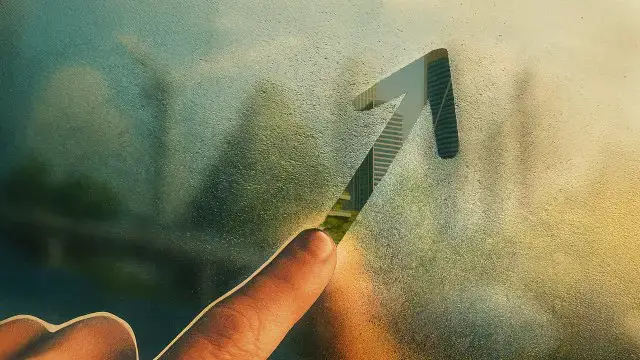
“Progress happens when we choose to make it happen. It happens through choice and effort. And ultimately, to make progress happen, we have to believe in it.”
Show More Show Less View Video Transcript
0:00
The progress of the last few centuries, in my opinion, is about the greatest thing ever to happen to humanity, the greatest thing ever for human life and health and happiness and well-being
0:08
If you care about those things, if you care about humanity, then I think you have to care about understanding where did that come from
0:14
How did it happen? Why did it happen? What drove it? And ultimately, can we keep it going
0:20
Can the future continue to see as much progress or even more
0:24
I think progress doesn't happen automatically. It's not inevitable. Progress happens when we choose to make it happen
0:30
It happens through choice and effort. And ultimately, to make progress happen, we have to believe in it
0:35
We have to believe that progress is possible and desirable. My name is Jason Crawford
0:40
I'm the founder and president of the Roots of Progress Institute. And I'm writing a book called The Technohumanist Manifesto
0:49
Chapter one, the philosophy of progress. The mission of the Roots of Progress Institute is to establish a new philosophy of progress for the 21st century and to build a culture of progress
1:01
In recent years, the dialogue and the discourse around progress and humanity has really heated up, especially, I think, with the advent of AI after ChatGPT launched
1:14
It has just been a really much more fiery debate about these topics, about technological progress, about its implications for humanity, about what we should do about it, whether we should be trying to slow it down, stop it, control it, accelerate it, and spreading to, you know, it wasn't just about AI
1:30
It was really about the entire technology industry. It was getting discussed a lot in Silicon Valley
1:35
And I thought that a different viewpoint needed to get out there
1:40
So my background is in the tech industry. My degree is in computer science
1:44
I used to be a software engineer, engineering manager, and tech startup founder. I was in that industry for almost 20 years
1:50
I started writing about the history and philosophy of progress almost as a side project in 2017
1:55
In 2019 is when both my essays and my writing started getting a lot more popular online
2:02
and also when that article came out in The Atlantic by Tyler Cowen and Patrick Collison
2:06
that coined the term progress studies and really galvanized the progress movement
2:11
And long story short, it was soon after that that I decided to go full-time
2:15
ultimately starting the Roots of Progress Institute. One important thing to know about the idea of progress is that it really didn't exist
2:22
through most of human history. I'd say most peoples in most places and times didn't see progress as some kind of an upward
2:29
or didn't see history as some kind of an upward curve. They saw history as more cyclical, maybe, full of ups and downs
2:36
or perhaps they even believed in a declinist narrative, a story of the past being a golden age from which we have fallen and perhaps will continue to fall
2:45
This really only changed in the West around the modern period, around the 15th and 1600s
2:52
One of the key figures in the history of progress, and in particular, the history of the idea of progress, is Francis Bacon
2:58
This is an Englishman who lived at the end of the 1500s, into the 1600s, did his most famous work around the early 1600s
3:06
He was one of these figures around the time, not the only one, but one of the really key people who was saying that progress was actually possible
3:14
At the time, there was a big debate actually about whether the moderns, whether the modern people of that era could ever surpass the huge achievements of the ancients
3:25
They were looking back to the ancient world, the Greeks and the Romans, and looking back at the ideas that those people discovered, what the Romans could do with concrete, for instance, and looking back at the great works that they left us, looking back at the Colosseum and the aqueducts and even the pyramids of Egypt
3:43
And some people at the time had this idea that those ancients must have been a race of moral and intellectual giants, that they must have been better than we were and better than we will ever be, that we can never surpass their achievements, that all we can do maybe is sort of read the ancient texts and reread them and try to wring as much meaning and learning as we can out of them, but that we could never surpass them, learn new things, invent new things and go forward
4:09
And Bacon was one of the people who was arguing, no, there's a lot more to be discovered
4:14
And he pointed out all of the things that the ancients didn't know about
4:18
They didn't know about the Americas, for instance, that had been discovered at the end of the 1400s by the West
4:23
They didn't know about gunpowder or the magnetic compass or silk. They didn't know about the printing press, right, the Gutenberg movable type printing press, which was invented in the 1400s
4:35
Bacon said, there's nothing in the art of printing that is not plain and obvious
4:39
And he's basically, you know, my interpretation of this, he's saying, come on, guys, get with it
4:44
Look, we can, you know, using nothing that was non-obvious, we can create this machine that does this amazing stuff
4:51
What if there are a whole lot more things like this out there to be discovered? What if there are a whole lot more machines like the printing press to be invented
5:00
Just think of what we could do. And he makes all of these arguments in his book, Novum Organum, The New Method, where he's basically saying
5:07
he's trying to convince everybody that this potential is out there. And he's essentially
5:11
saying, we've barely even begun to try. We've barely even put serious effort into the scientific
5:18
enterprise. And he was absolutely right. And so Bacon pointed to all of these things. And he used
5:23
all of this as evidence to make his case that essentially progress was possible, that if we
5:27
used the right method, and he was really advocating for an empirical method in science, which was not
5:33
the standard at the time, but he was advocating for, you know, making more and better observations
5:38
collecting them systematically, putting them together and trying to find explanations. And he said that if we do this and if we get better at doing it and put more effort into
5:46
systematically collecting and trying to explain our observations, we'll be able to discover new
5:51
things. We'll be able to create new inventions. There's a lot more stuff out there that's like
5:56
silk and the compass and the printing press. And that ultimately all of this can come together
6:02
to endow human life with new abilities and powers, I believe is the phrase that he used
6:08
He was absolutely right. And his prediction essentially took 200 years to come true
6:12
It wouldn't come into full fruition until the Industrial Revolution. But he was absolutely one of the historic visionaries
6:19
He foresaw what was possible and he inspired generations of people to pursue what today is sometimes referred to
6:26
as the Baconian program of science and invention and ultimately of industry
6:31
that, according to economic historians like Joel Mokir, turned into the Industrial Revolution
6:37
So there was a slowly building idea of progress through the 1600s, 1700s. As we got advancements
6:45
in science, we started to get Newton's theory of the heavens. We started to get his theory of
6:52
universal gravitation. We started to get developments in chemistry, people really identifying elements and starting to work out the periodic table and things like this
7:01
And then with the Industrial Revolution, certainly by the 19th century, it started to become clear that all sorts of new amazing things were getting invented
7:10
The railroad, the telegraph, the telephone, the light bulb. By the end of the 19th century, it's very clear that Bacon was absolutely right
7:18
There were all of these inventions out there to be created. And it wasn just sort of an abstract idea for philosophers to theorize about anymore It was a reality coming into people homes and transforming everybody lives So by the end of the 19th century the beginning very beginning of the 20th century you got this very optimistic period People were ebullient
7:40
They really saw industrial progress and technology and invention and science as just this almost
7:47
unstoppable machine that was just making things better for everyone. Now, there were definitely
7:52
objections. You know, don't get me wrong. There were people all through this entire process who
7:57
didn't see it as such a great thing, all the way from Rousseau in the 1750s, who was, you know
8:02
talking about how, you know, he thought that the progress of morals in society was almost
8:07
inversely proportional to arts and to the progress of arts and sciences. And he hadn't even seen the
8:11
Industrial Revolution yet. So there was a lot of, you know, kind of romantic backlash against all of
8:16
this science and technology and industry. But for the most part, people saw this as a good thing
8:20
And I think those kind of voices of backlash were really in the minority for a very long time
8:26
But what happened was people were a little naive about how progress was going and how it was going to go
8:31
One, they saw it as kind of automatic and inevitable as this thing that was just going to definitely unfold and nothing could stop it
8:38
They thought that moral progress and social progress would also automatically, inevitably unfold and go hand in hand with progress in science and technology
8:47
By the end of the 19th century, people were very optimistic that this new growth of industry and expansion of trade and communication, that all of it was leading to a new era of world peace, an end to war
9:01
And of course, they were terribly wrong. The world wars of the 20th century violently shattered those naive illusions
9:07
It was clear that technology had not led to an end to war. It had made war all the more terrible and destructive
9:13
It had given us machine guns, the chemical weapon, the atomic bomb. And so after the World Wars, there was an enormous amount of soul searching
9:20
It was this huge blow to the optimists. People just didn't know what to make of it
9:25
What was all this technology doing? The reason why people got skeptical, fearful, doubtful of the very idea of progress in the 20th century
9:34
was because of some very real costs and risks of progress that people didn't necessarily know what to do with
9:41
A worldwide depression, the rise of totalitarianism around the globe. We ran into environmental concerns, concerns about damage to the environment and pollution and harms to human health
9:53
We ran into concerns about the risks of technology and whether new technology could create new safety hazards
10:00
As early as the 1930s, you hear historians saying and writing that the idea of progress has been discredited, the doctrine is disputed
10:09
And asking, Carl Becker asked this, what, if anything, can be said for the progress of mankind
10:16
Can we still believe in progress, essentially? And so you got this whole generation that was just wondering, are we on the right track
10:23
What are we doing? Do we even know what we're doing? And I think it was a real cultural crossroads
10:27
I think you could have had in that moment maybe historians and philosophers and other thinkers who came forth to say, look, the idea of progress isn't wrong
10:36
We were a little naive about how easy it would be. We were maybe a little blind to the costs and risks
10:42
We need to be more careful and thoughtful about it going forward. But progress is still an ideal
10:46
I think there were some very real questions there. I think that the costs and risks of progress are real
10:52
Progress is messy. And we're not going to get anywhere. And we're not going to do humanity any favors by denying that or by claiming that progress
10:59
is sort of always and everywhere good or that it's automatically good or that we don't need
11:04
to do anything to steer it or to mitigate the problems. We absolutely do
11:08
And we're only going to create a better world for people. We're only going to create human life and flourishing and well-being if we acknowledge
11:16
the costs and risks of progress and then step up to actually solve them and to move forward
11:21
And instead, what happened is you had these very strong countercultural voices, this kind
11:26
of backlash, this romantic backlash against the very idea of progress that said, look
11:30
maybe modernity was a mistake. Maybe progress itself is the problem. and maybe we should slow it down or stop it or even go backwards. And this is, I think
11:40
where you got the sort of late 20th century fear and skepticism about the very idea of progress
11:46
itself and a kind of cultural movement that was based on a deep skepticism of technology and
11:52
industry and that was really looking for ways to slow it down, stop it, or even reverse it
11:57
When we use the term progress by itself without any kind of qualifier
12:01
I think ultimately what we're referring to is the idea that progress in science, technology, and industry, that material progress, ultimately supports social and moral and human progress and ultimately promotes human well-being
12:16
I deeply believe in the power of science, technology, and industry. I deeply believe that these things are a positive for humanity overall
12:24
But I think that ultimately the reason that they're good, they're not ends in themselves
12:30
Progress isn't only about base material values or needs. It's not just about having a full belly and a roof over your head and warm clothing to wear
12:41
Those things are great, but that's not all that life is about. Life is about spiritual values as well
12:45
Life is about excitement, adventure, knowledge, romance, curiosity. Life is about fulfilling your own potential and being everything that you can be, exercising your capabilities
12:57
But the things that material progress helps us with those spiritual values as well
13:02
It gives us the time and space to pursue self-education and knowledge projects, to pursue art and philosophy
13:10
We need the base. We need to be able to make a living and to feed ourselves on 40 hours a week if we're going to have the time to pursue all those other things
13:19
Information technology today gives us connection to all of the knowledge and art and philosophy and culture of the world, which is greatly spiritually enriching
13:27
It allows us to stay in touch with friends and family around the globe, you know, wherever they may be
13:33
It allows us to stay more in touch with our own past and to look up, you know, photographs and, you know, find things online, learn about our ancestors and our culture, our heritage
13:42
It gives us all kinds of different, you know, vocations to pursue
13:47
So if one of the spiritual values is doing work that you love, you know, a few centuries ago, probably your best bet was you were going to be a farmer
13:56
And if you weren't going to be a farmer, maybe you could be some sort of artisan if you were lucky enough to get into a guild, if your father did the same job
14:03
But there was really not a lot of choice. Today, there is an enormous amount of choice
14:07
And you can be a farmer if that's your calling. And for some people, it totally is. But you can also be a spreadsheet jockey, or you can be a designer, or you can do all sorts of an enormous number of things
14:19
Between the work that you do, the knowledge that you pursue, family and personal connections, all of these spiritual values, they're all supported by material and technological progress, by more wealth, more leisure time, and more technology to go pursue all those things
14:37
Material progress actually helps us to enjoy more of the human experience
14:42
In a way, technology actually helps us become more human. But when people are skeptical of that link when they don believe that material progress necessarily is good for humanity you find that what they say is they don believe in progress And they won even use the term or if they use it they only put it in scare quotes like so progress Chapter two the technologies of progress
15:07
I think about technology and industry in maybe six broad categories. I think about agriculture, manufacturing, which includes materials and construction, energy, transportation, information, and broadly medicine or health
15:24
I think if you look at those six categories, you've got a good overview of technological development from the Stone Age to today and, you know, sort of the major areas of industrial civilization that give us our standard of living and, you know, keep things going
15:37
Agriculture was the sort of the main focus of most people for most of the last 10,000 years
15:44
Until the industrial era, agriculture was so unproductive that half to three quarters of the workforce had to be farmers just in order to grow enough food to feed the entire population
15:58
It was an enormous amount of labor, dawn to dusk. The whole calendar was arranged around all of the things that you had to do on the farm with the livestock, with the crops, with the tilling the soil
16:09
And yet, despite this, famine was still common. Today, we have a much smaller percent
16:16
small single-digit percent, maybe 3% of the population growing food. It could be even less if we wanted to just subsist
16:23
on the bare minimum. We eat a much greater variety of foods
16:27
including a lot more meat in our diet. And famine has been eliminated from not all of the world
16:34
but from much of the world. So we devote a lot less of our resources to it
16:39
We get a lot more quality. It's a lot cheaper and it's a lot more reliable
16:43
For most of human history, the main sources of power were wind, water, and muscle
16:49
And muscle was, of course, animal and human. This was true up until the 1700s
16:53
This was how we did everything, moved everything, did all kinds of work. And the challenges with those energy sources are, so they're extremely limited
17:02
Wind and water can only be sourced in certain places, right? If you want to build a water mill, it has to be on the river, has to be sited on the river
17:10
A windmill only turns when the wind blows. And neither of these power sources can be scaled up, right
17:15
If you're not getting enough power, there's only so much power that you can get out of the river. At a certain point, you're just using all of the power that the water will give you
17:22
Same thing with the wind. So they're really energy sources that have to be used when, where, and as they are found
17:29
Animals, I guess, can be moved around, but they also have limitations. Animals get tired
17:34
And again, they can only output so much power, right? A horse has a certain power density, and that's all that you get
17:41
So this was a fundamental limitation on all of industrial civilization, such as it was
17:46
pre-industrial civilization up until the 1700s, the Industrial Revolution. The reason that the steam engine is sort of the quintessential representative, paradigmatic
17:57
invention of the Industrial Revolution is that it changed this equation forever
18:02
What we could do with the steam engine for the first time ever was to take fuel sources
18:06
that generate heat and turn that into motion. Fuel that, by the way, could be transported
18:10
anywhere that could be stored for later use, right? So we broke the boundaries of time and space
18:15
We didn't have to use the energy where and when it was found. We could store it. We could transport
18:20
it. We could use it anywhere, anytime, have 24-7 power, and scale it up massively far beyond any
18:27
previous power source. And so this was absolutely fundamental to driving the industrial revolution
18:31
And it's why we look to the steam engine as that thing that, in a sense, started it all
18:36
Energy is absolutely fundamental to the economy. It drives the tractors and the machines that do agriculture, that grow our food
18:45
It drives industrial processes that create synthetic chemicals. It drives the factories that create all of our goods
18:52
It drives all of our transportation, both for getting people around and, of course, our cargo logistics network
18:57
It powers absolutely everything. And without energy, you just can't do all of the things that we do
19:05
So yeah, there's a very close relationship between energy usage and GDP or other measures
19:10
of wealth. Compared to today, there was very little medicine to speak of until perhaps the 19th century
19:18
Infectious disease, I would say, was the most rampant. It was everywhere
19:23
Smallpox, for instance, absolutely horrible disease, killed something like a sixth to
19:28
a third of the people who were infected by it. You just expected to get it at some point in your
19:33
life. You hoped that you got it early and had a mild case in childhood. So you'd kind of get it
19:37
over with and get your immunity. You know, this was just what people lived with and what people
19:41
accepted. Even in the beginning of the 20th century in the U.S., I believe about half of deaths
19:48
were from infectious disease. And now we have brought that down enormously. It's a much smaller
19:54
fraction. Maternal mortality. Being pregnant and giving birth to a child was extremely dangerous
20:02
by today's standards. I believe maternal mortality, even in late 19th century, early 20th century
20:08
was something like 1%, which compared to today, it's orders of magnitude lower
20:13
Child mortality. For most of human history, almost half of people did not survive to adulthood
20:19
Almost half died as children, either in the very young years or in the teenage years
20:24
It was just expected that a family that might have a standard, say, six children, a woman would bear six children maybe on average in her life, and maybe easily three of those would not survive to adulthood
20:36
It was utterly tragic and yet completely common. So today, obviously, we have come an extremely long way. A mother dying in childbirth in developed countries or children dying before reaching adulthood is a rare tragedy. Most people get to live into their 60s, 70s or 80s. It's just a real transformation of human life
20:58
Transportation is another one of these areas where there was seemingly no progress, at least along certain metrics, for thousands of years
21:06
Somebody pointed out that George Washington traveled at the same speed as Alexander the Great, basically
21:12
They had horses, they had wagons, but there wasn't something fundamentally different
21:18
And, of course, communication also. If you wanted to get a letter or any kind of a message, it could only go as fast as the transportation
21:26
Transportation over land was extremely slow, by water a little bit faster, but of course
21:30
limited to the water routes. So it was really not until the 1800s, with especially the advent of the steamboat and
21:38
especially the locomotive, that this began to be fundamentally transformed. The speeds that locomotives could travel at and the reliability and the ability to haul
21:47
cargo and so forth were just multiples beyond anything that you could do with horses and wagons
21:53
and it was fundamental to transforming society. Up until the 1800s, communication could only move
21:59
as fast as transportation. So the advent of electronic communications, first the telegram
22:05
later the telephone, radio, television, and so forth, all those things starting in the mid-1800s
22:10
really disconnected our information from our physical atoms infrastructure, right? We could
22:16
now send information over, you know, through electrons, through electric fields. The telegraph
22:21
and other electronics communication media really broke this link between our information and our material universe the atoms traveling around And that was enormous Prior to the Industrial Revolution most products were made by hand
22:38
Now, today, they are mass-produced in factories. And the difference is one of orders of magnitude of productivity
22:44
which ultimately means both benefits for the consumer in terms of cheap goods
22:48
and for the laborer in terms of higher wages. Another story that has received, I think, a lot less attention
22:54
but it's just as important, is the story of precision in manufacturing. We invented machine
22:59
tools that were able to create much more precise parts. And this allowed us to create new kinds of
23:05
machines that could perform much better at their jobs. It also made the process of assembly much
23:12
faster and more efficient, because now we could create parts that all fit together. It used to be
23:18
that parts would be made for a machine, say, and you'd be assembling a clock, for instance
23:23
and all of the parts, the gears and everything wouldn't necessarily fit together. And in order
23:28
to make them fit together, the person assembling this thing would have to file them by hand
23:32
So sort of, you know, take a look at a piece, try to fit it together. Doesn't quite fit
23:36
file it a little bit. Okay. You can imagine how much this slows you down. Even as late as the early
23:41
20th century, when Henry Ford was doing his assembly line to make cars, you know, one of the
23:46
things that he insisted on was we have parts that are made to fit and do not need to be filed to fit
23:51
And that was only possible through precision machining and through the development of machine tools
23:57
The third big theme is, as I alluded to with Henry Ford and his assembly line, is the organization of the factory itself
24:05
The sort of classic traditional thing was a master craftsman who would make every piece of a product himself
24:12
And what we got through the Industrial Revolution, in part, was more efficient ways of organizing a factory, ultimately leading to the system known today as mass production
24:23
Now, you think also about what does this take in order to have this kind of economy
24:28
One thing it takes is larger networks, really larger markets, larger networks of commerce
24:34
You can't really do this in the era where every village is served by its own local craftsman, like a millwright or a carpenter
24:42
You kind of need to do it in the era where people can advertise over wide areas, where you've got newspapers, right
24:49
Where people can order, you know, send in an order for a machine
24:53
You need effective postal service. And then where the machine can be actually transported, you know, to the customer
25:00
And so you really need an effective transportation system of cs and railroads and so forth
25:04
And so it was really these developments that started to create the larger markets that would allow more specialized machinery, the investment in both inventing and then creating the manufacturing facilities to create that kind of machinery
25:18
So this is a great example of how progress builds on itself
25:21
Progress begets progress. The long-term pattern of progress over human history is that progress accelerates
25:28
It's not just a constant percentage growth each year. over the long term, that percentage growth rate actually increases. If you think back to the
25:37
pre-agricultural era where we were living in hunter-gatherer tribes, there was progress
25:42
There was progress even in stone tools. If you look at the evolution of them over millions of
25:46
years, they got better and more sophisticated and more adapted to different uses. But that progress
25:51
would happen, you'd get a new invention maybe, what, every 1,000 years, 10,000 years on average
25:56
By the time you get to the agricultural era, now you're getting inventions every century or so
26:01
And then, you know, more recently, maybe you get huge inventions every decade and maybe
26:06
now it's every year or soon it'll be every year. And so that is the accelerating pace of progress
26:11
Things move faster today, even on a percentage basis. Why does this happen
26:15
The fundamental reason is feedback loops. Progress begets progress. When we make progress, sometimes the progress that we make is in some, the invention or
26:25
the new technology or infrastructure is so fundamental that it feeds back into the process
26:29
of making progress itself. So technology, for instance, when we get new manufacturing technology that allows us to
26:35
create all sorts of new types of machines, higher precision machines or lower cost or
26:41
whatever that can do all sorts of new types of things. When we get new communication technology that allows ideas to be recorded and to spread
26:51
much faster. And now today we can search ideas much better than we could before the advent of databases
26:57
and search engines. With the combination of communication and transportation networks, we have much larger markets
27:04
And having global markets means that there is much more ability to invest
27:09
You can now invest an enormous amount in creating a specialized machine or creating a new drug
27:16
Because your market isn't just your local village or even your town or your nation
27:20
Your market is potentially the entire world. The accumulation of wealth, right? The more surplus wealth we have, the more wealth we can drive back into R&D and building out infrastructure. And then the more that allows us to accelerate the economy, which creates more wealth. So there's another virtuous cycle
27:35
Even world population. The better we get at supporting human life, the more population grows
27:41
And that's been the pattern at least up until now. The more people we have, the more brains we have working on all kinds of problems
27:47
The more scientists, the more researchers, the more inventors, the more business founders
27:52
all of these people working on all of the different problems of human life
27:56
The more people we have, the more people can specialize into niche fields and go deep into
28:00
those fields and become niche experts. And so the more people we have, the more progress advances
28:07
And the great thing about this is anytime somebody solves one problem or figures out one great idea
28:12
that idea can almost instantly be shared with the entire world and can be replicated all over
28:18
This is the amazing thing that the Nobel-winning economist Paul Romer sort of figured out and formalized in his models
28:25
is that the way that growth happens is that, and the way that growth accelerates
28:31
is that ideas, once they are discovered, are, in economist terms, they are non-rival. We can all
28:36
share them without diminishment of the value of the idea. So the more people we have, the more
28:42
ideas, and everybody gets to share in the benefit of those ideas. So there's a virtuous cycle between
28:47
actually making progress, believing that we can make progress, and then investing in progress
28:51
motivated on that belief and then making even more of it. And at least up until, you know
28:56
the 20th century, that cycle was accelerating and was a cycle that itself was driving progress
29:04
Chapter three, the future of progress. I do think that we've seen a, what I hope is a temporary
29:13
slowdown in scientific, technological, and economic progress over the last roughly 50 years
29:19
I didn't believe this at first when I started hearing people talking about it, but the more
29:23
I looked into the history of progress, the more I realized that I think it's true
29:28
We've seen a lot of progress, of course, in information technology, in computers and software
29:32
There's really been no slowdown there. But in manufacturing, construction, transportation, energy, all of these areas, we're still using
29:42
basically the same fundamental technologies that we used in the 1960s and 70s
29:47
We're still using electricity and mostly fossil fuel based electricity as our main power source
29:55
We're still using the internal combustion engine, we're flying on basically the same kind
29:59
Planes that we flew on in the 1960s, they actually fly a little bit slower today
30:04
We're using the same basic sort of mass manufacturing, you know, factory processes
30:09
So, you know, all of this stuff has seen, it's seen improvements, certainly. It's seen a lot of incremental improvement, cost improvements, safety improvements
30:16
But it hasn't seen the kind of massive paradigm shifts that we saw in an earlier period
30:21
Consider the period from about 1870 to 1920. So there's a 50-year period that ended 100 years ago
30:29
In that time, we saw roughly, by my count, five major revolutions in different aspects of the economy
30:35
So we saw a revolution in electrical power, the entire electrical industry, generators, motors, light bulbs, all of that was created in that time
30:43
We saw a revolution with the invention of the internal combustion engine and the vehicles that that made possible, the automobile and the airplane
30:52
We saw a revolution in communications technology with the telephone and radio
30:56
There was a revolution in applied chemistry, and we got all sorts of synthetics
31:01
We got synthetic plastic. We got synthetic fertilizer. And then there was a revolution in public health
31:06
We got the germ theory and some of its first applications with better water sanitation, new vaccines, and all these things started to really decrease mortality rates for the first time
31:16
So five revolutions across the board. If I look at the same period 100 years later, so 1970 to 2020, roughly the last 50 years, I count one and maybe two revolutions
31:28
There was definitely a revolution in information technology and computers and the Internet
31:32
And maybe you could count one in genetic engineering and biology. But again, those areas like energy, manufacturing, transportation, those just have not seen the same fundamental breakthroughs
31:43
So, you know, people sometimes look back at the last 50 years and they say, how can you say the progress has slowed down? Look at the internet, look at Wikipedia, look at, you know, now AI. And all of that is absolutely true. And it's amazing progress. And I don't want to discount it
31:57
I think sometimes people kind of dismiss the progress in bits as if it's not so important or as if it's unimpressive
32:05
And absolutely not. We all have supercomputers in our pocket. We're all connected to each other and to all of the world's knowledge and entertainment and everything in real time
32:15
It's absolutely amazing. But a similar revolution happened between Heats in 70 and 1920 when we got the telephone and radio
32:23
That was also a revolution in communications technology. We got, you know, that also connected people and created broadcast technologies for the first time and so forth
32:33
And yet on top of that, we also got revolutions in energy and manufacturing and construction and, you know
32:39
transportation and public health and synthetic chemistry and so forth. So you know I think you could maybe convince me that the internet was a bigger deal than telephone or radio But I don think you could convince me that computers and the internet by themselves are a bigger deal than all five of those revolutions stacked on top of each other
32:54
So yeah, I really think that progress has slowed down a bit in the last 50 years, although of
32:59
course it's still faster than at any time before the industrial revolution. I think the lesson of
33:03
the relative slowdown in progress of the last 50 years is that progress is not automatic or
33:08
inevitable. It doesn't just barrel along. It depends on us. And it depends on our choices
33:15
It depends on us believing in progress and wanting to continue to invest in it. It also depends on
33:18
the quality of our institutions. And I think a few things happened over the last 50 years that
33:24
have contributed to the slowdown. One is the growth or really the overgrowth, the overreach
33:29
of the regulatory apparatus. I think a lot of regulation grew up in the last several decades
33:36
in order to confront some of the costs and risks and hazards of progress. And those problems are
33:42
very real. But I think the way that we've built the regulatory state has led in many areas to
33:48
overreach and to too much overhead. It's become almost impossible to build anything in the United
33:53
States because of all the permitting that you have to get. We can't build housing. We can't
33:58
build infrastructure. We can't even build the clean energy infrastructure that everybody believes and
34:03
says is necessary for the energy transition. And a lot of this is because of permitting reform and
34:08
other kinds of regulations. So we're really getting in our own way in that sense. The other
34:12
institutional challenge that I really see is the way that we organize and manage scientific research
34:18
Scientific research today, there's an enormous amount of overhead to grant seeking. And the way
34:24
that we fund it through the sort of grant making process, arguably leads scientists to be much more
34:31
conservative in the kinds of projects that they attempt. We really need, I think, more bold kind
34:37
of risk-taking and ambitious projects in science. And we're not getting it in part because of the
34:41
way that science is managed and the way that it's funded and the way that grants are made
34:46
Finally, I think the third big reason for a slowdown in progress is, again, just a kind of
34:51
loss of confidence and ambition and enthusiasm at a civilizational level. I think we need to
34:58
continue to tell the story of progress and to talk about how good and important it is in order to
35:05
motivate talent and resources, and especially young people, the next generation, to actually
35:10
step up and move progress forward. Each new generation has to sort of pick up that torch
35:15
of progress and carry it forward. And if nobody believes in the future, then nobody's going to
35:22
build it. I am hopeful that we'll be able to turn around this relative slowdown in progress. And
35:28
and more importantly, to turn around our attitudes for progress that we really soured on the concept in the late 20th century There are a couple of things that I see that give me that hope One is we are continuing to make progress And in some ways there are some really exciting things on the frontier
35:45
If you believe some of the press releases, fusion energy is almost here
35:49
And there may be companies delivering fusion energy on the grid within a matter of years
35:54
Artificial intelligence is an incredibly exciting frontier and could be a new general purpose
35:59
technology that could boost growth in the entire economy. Genetic engineering. We've got the first
36:05
mRNA-based vaccines just within the past couple of years. We got CRISPR just within the past
36:11
decade or so. There are all of these things that are on the frontier and that are incredibly
36:16
exciting. I would say also just by watching Silicon Valley and more broadly, the sort of
36:22
tech and science community, I am seeing a new generation of founders with huge ambitions and
36:30
ambitions not just in bits, but in atoms and in cells and joules across biology and energy and
36:36
manufacturing. You look at what's happening in El Segundo today with the companies doing new forms
36:43
of energy and space and manufacturing and longevity companies and longevity funds getting
36:50
established. There's all sorts of really exciting stuff. And founders today, they're not just
36:54
building social media apps and SaaS apps for business. They are not that there's anything
37:00
wrong with that. Those are very valuable. But now we're getting into just a new generation
37:04
of folks. I think a decade or two ago, founders were most inspired by Steve Jobs. And today
37:10
that sort of figure is Elon Musk. And he is encouraging people to think enormously big
37:15
and to literally go for the planets and the stars. The other thing that gives me hope is I do see the tide turning intellectually and ideologically
37:25
There is a new progress movement starting, and I'm seeing a lot of energy around it
37:30
There are a lot of people who are looking around and saying, yeah, we made a mistake
37:34
We threw the baby out with the bathwater. We got some concern about the costs and risks of progress
37:38
and we allowed that to cause us to slow down progress itself
37:43
And that was a mistake. Humanity has not reached its peak. I think there is much more progress to be made
37:48
Not only that, I think that we should expect not stagnation in the future, but acceleration
37:54
especially with the advent of artificial intelligence. I expect future growth rates to be only higher and higher, even despite a relative slowdown
38:03
in progress in the last 50 years or so. The most important thing I believe about the future is that the future can be as well off
38:09
relative to the present as the present is compared to the past. In 1800, the vast majority of the world lived in extreme poverty
38:17
Today, only a small fraction does. We come such a very long way We more than doubled world life expectancy at birth We are so much better compared to those people a couple hundred years ago And yet if you ask
38:33
the average person back then, they didn't think that they were living in extreme poverty. They
38:37
thought it was normal because it was normal. We don't think that we're living in extreme poverty
38:40
today. But I think that 200 years from now, the future could be so amazing if we create it
38:46
That those future people will look back on us and saying, I cannot believe they lived that way
38:51
Everything seems normal when you're living through it, right? Not having a refrigerator seems normal when nobody has one
38:58
Not having electricity seems normal when nobody has one. Not having a toilet or indoor plumbing seems normal when nobody has it
39:05
But today, any of those things would be considered absolutely subpar living standards, right
39:10
in human, inhumane, inhospitable living standards to not have running water and electricity and
39:16
refrigeration and light bulbs. So these things that start off as luxuries become absolute
39:21
necessities. And I think we can blind ourselves, we can be blind to the potential progress of the
39:26
future by not thinking about that, by looking around and saying, well, hey, things are okay
39:32
I'm pretty comfortable. What more progress is there to be made after all? And yet, as long as
39:38
anybody anywhere is worrying about their electricity bill or, you know, their air conditioning bill or
39:43
their water bill or any kind of, you know, monetary has any kind of monetary problem
39:48
There's more progress to be made. As long as anyone anywhere is dying of cancer or heart disease or
39:54
Alzheimer's or or anything, there is more progress to be made. As long as people are separated by
40:01
distance and can't get together and and, you know, see each other or congregate, you know, anytime and
40:06
anywhere that they want, there is more progress to be made. As long as, you know, any child is not
40:11
getting the best possible education that the world could possibly offer them, there is more progress
40:16
to be made. And so, you know, there are so many things that we, you know, could invent in the
40:22
future or are inventing right now. Artificial intelligence, genetic engineering, fusion energy
40:28
going back to space and creating a real space economy and settling, you know, the moon and the
40:33
planets and one day the stars. All of these things, once we have them, we will consider them
40:38
absolutely essential, even if today they seem like science fiction. And I think people are looking for
40:43
I think they're hungry for a new philosophy of progress, a new ideology that says that, yeah
40:48
actually technology, science, industry, economic growth, all of these things can be and fundamentally
40:54
are massively beneficial for human life. As long as we're thoughtful about them and careful, as long
40:59
we steer them properly, this can lead us into a new age of humanity, this can ultimately take us
41:06
to the stars, and that's where we're going
Social Issues & Advocacy
Engineering & Technology
Self-Help & Motivational