
Up next in 10

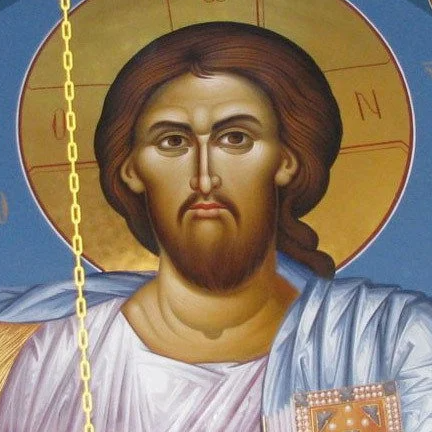
Welcome to our daily encounter with the Word of God! Today, we reflect on the readings from the Book of Exodus (Exodus 11:10–12:14) and the Gospel according to Matthew (Matthew 12:1–8). These passages invite us to recognize God's liberating action and to live a faith rooted in mercy rather than rigid formalism.
First Reading (Exodus 11:10–12:14):
The reading describes the final moments before the liberation of the Israelites. God announces the tenth plague and instructs Moses to establish the Passover as a lasting memorial. This holy night is marked by the blood of the lamb that spares the Hebrews from destruction.
This passage reminds us of God’s faithfulness and the importance of remembering and giving thanks for His saving works in our lives.
Gospel (Matthew 12:1–8):
Jesus and His disciples pick grain on the Sabbath, drawing criticism from the Pharisees. Jesus responds with examples from Scripture and declares: “I desire mercy, not sacrifice,” affirming that the Son of Man is Lord of the Sabbath.
This Gospel teaches that our faith should not be a burden of rules but a path of love, freedom, and compassion. True religion flows from the heart, centered on mercy.
Reflection and Call to Conversion
Today, we are called to trust in God’s liberating power and to live a sincere faith. Let us remember that Christ invites us to live the Law through love and mercy.
May these readings strengthen your spiritual journey. Share in the comments how today’s Word has touched your heart.
📖 Readings of the Day:
First Reading: Exodus 11:10–12:14
Gospel: Matthew 12:1–8
Show More Show Less View Video Transcript
0:04
[Music]
0:07
Reading from the book of Exodus. In
0:10
those days, Moses and Aaron performed
0:12
many wonders before Pharaoh. But the
0:14
Lord hardened Pharaohs heart, and
0:16
he would not let the Israelites leave
0:18
his land. The Lord said to Moses and
0:20
Aaron in Egypt, "This month will be the
0:23
beginning of months for you. It will be
0:25
the first month of the year. speak to
0:27
the whole community of the Israelites,
0:29
saying, "On the 10th day of this month,
0:32
each person is to take a lamb for each
0:33
family, one lamb for each house. If the
0:37
family is not large enough to eat a
0:38
lamb, they are to invite their nearest
0:40
neighbor as well, according to the
0:42
number of people. You are to calculate
0:44
the number of those who will dine with
0:46
you according to the size of the lamb.
0:49
The lamb must be an unblenmished male, a
0:51
year old. You may choose either a lamb
0:54
or a young goat and keep it tied up
0:56
until the 14th day of this month. Then
0:59
the whole community of Israel gathered
1:01
together will slaughter it at twilight.
1:04
You are to take some of its blood and
1:06
smear it on the doorposts and lentil of
1:08
the houses where you eat it. You are to
1:10
eat the meat that same night roasted
1:13
over fire with unleavened bread and
1:15
bitter herbs. You are to eat none of it
1:18
raw or boiled in water. water, but
1:21
roasted over the fire, whole with head,
1:24
legs, and entrils. You shall not leave
1:27
any of it until the next day. What is
1:30
left over you shall burn in the fire.
1:32
This is how you shall eat it with your
1:34
loins girded, sandals on your feet, and
1:37
your staff in your hand. And you shall
1:40
eat it in haste. For it is the Passover,
1:43
that is the Lord's passage. And I will
1:46
pass through the land of Egypt that
1:47
night and strike down every firstborn in
1:49
the land of Egypt, both man and beast.
1:52
And I will inflict punishments on all
1:54
the gods of Egypt, I the Lord. The blood
1:57
shall be a sign on the houses where you
1:59
are. When I see the blood, I will pass
2:02
over you, and the destructive plague
2:04
will not touch you when I strike the
2:06
land of Egypt. This day shall be for you
2:09
a memorable feast to the Lord, which you
2:11
shall celebrate throughout your
2:13
generations.
2:14
Word of the Lord. Thanks be to God.
2:21
[Music]
2:26
Proclamation of the Gospel of Jesus
2:28
Christ according to St. Matthew. Glory
2:31
to you, Lord. On the Sabbath, Jesus was
2:34
passing through the grain fields. His
2:37
disciples were hungry and began to pick
2:39
some heads of grain to eat. When the
2:42
Pharisees saw this, they said to him,
2:44
"Look, your disciples are doing what is
2:47
unlawful on the Sabbath."
2:49
Jesus answered them, "Have you never
2:51
read what David did when he and his
2:53
companions were hungry? How he entered
2:56
the house of God, and they all ate the
2:57
bread of sacrifice, which neither he nor
3:00
his companions were allowed to eat, but
3:02
only the priests? Or have you never read
3:04
in the law that on the Sabbath day in
3:06
the temple the priests profane the
3:08
Sabbath and are innocent? But I tell you
3:11
something greater than the temple is
3:13
here. If you had understood what this
3:15
means, I desire mercy, not sacrifice,
3:19
you would not have condemned the
3:20
innocent. Indeed, the Son of Man is Lord
3:24
of the Sabbath. Word of salvation. Glory
3:27
to you, Lord.
3:29
[Music]
3:37
Dear brothers and sisters in Christ,
3:40
imagine yourselves in a besieged city
3:42
where the people live in constant
3:44
tension, waiting for a liberation that
3:46
seems never to come. Suddenly, in the
3:49
darkest night, a door opens. No ordinary
3:53
door, but a passage to freedom. This
3:56
powerful image introduces us to the
3:58
heart of our first reading today. The
4:00
institution of Passover, a moment that
4:02
would forever change the history of
4:04
God's people. This night shall be a
4:06
night of vigil in honor of the Lord,
4:09
proclaims Moses. What words filled with
4:12
expectation and hope. This is no
4:14
ordinary night, but a defining moment in
4:17
salvation history. The Hebrew people
4:20
enslaved in Egypt for generations are
4:23
about to experience the liberation God
4:25
had promised. But notice the specific
4:28
details God gives through Moses. You
4:30
shall take a lamb, a male, one year old,
4:33
without blemish.
4:35
Not just any lamb, but a perfect
4:38
spotless lamb. This lamb would be
4:40
sacrificed, and its blood would be used
4:43
to mark the doors of Israelite homes.
4:45
When I see the blood, I will pass over
4:48
you. The Lord promises. My brothers and
4:51
sisters, this is not just an ancient
4:54
story. It is a prefiguration, a shadow
4:57
of the deeper reality we find in Jesus
4:59
Christ. Paul tells us clearly, "Christ,
5:03
our Passover has been sacrificed."
5:06
Jesus is the perfect spotless lamb whose
5:09
blood not only marks our doors but
5:11
purifies our hearts. But Passover was
5:14
not just about liberation. It was about
5:17
remembrance. This day shall be a
5:19
memorial for you, says Moses. You shall
5:23
celebrate this feast to the Lord. It
5:25
shall be a perpetual ordinance
5:26
throughout your generations.
5:29
God knew that the people would need
5:31
constant reminders of his faithfulness,
5:33
of his liberating power. This is where
5:36
our gospel reading becomes profoundly
5:38
relevant. Jesus and his disciples are
5:41
walking through the grain fields on a
5:42
Sabbath, and the disciples, hungry,
5:45
begin to pick heads of grain to eat. The
5:48
Pharisees, vigilant guardians of the
5:50
law, immediately accuse, "Look, your
5:53
disciples are doing what is unlawful on
5:55
the Sabbath." To fully understand this
5:58
scene, we need to put it in context. The
6:01
Sabbath was sacred to the Jews, a
6:03
God-given institution meant to be a
6:05
blessing, a respit from the daily grind.
6:08
But over the centuries, religious
6:10
leaders had built layers and layers of
6:12
rules and regulations around the
6:14
Sabbath, transforming it from a source
6:16
of joy into a heavy burden. Jesus, the
6:19
master of the word, responds with a
6:21
lesson from biblical history. Have you
6:24
not read what David did when he and his
6:26
companions were hungry? How he entered
6:28
the house of God and ate the showbread
6:30
which was not lawful for him or his
6:32
companions to eat, but only for the
6:34
priests. What a brilliant response.
6:37
Jesus is reminding the Pharisees that
6:39
even David, the man after God's own
6:42
heart, when faced with genuine human
6:44
need, prioritize compassion over the
6:46
cold letter of the law. It wasn't that
6:49
David despised God's law, but that he
6:52
understood the heart behind the law. And
6:54
then Jesus makes a statement that must
6:56
have left the Pharisees speechless. I
6:58
tell you, something greater than the
7:00
temple is here. Imagine the shock. For a
7:04
Jew, nothing was more sacred than the
7:07
temple. It was the place of God's
7:09
presence, the center of religious life.
7:12
And Jesus is saying that there in
7:15
himself, is something greater. But Jesus
7:18
doesn't stop there. He quotes the
7:20
prophet Hosea, if you had known this, I
7:23
desire mercy, not sacrifice, you would
7:26
not have condemned the innocent. What
7:29
penetrating words. Jesus is confronting
7:32
a religiosity that has lost itself in
7:34
rituals and rules, forgetting the
7:36
fundamental purpose of faith, love, and
7:39
mercy. Think with me. How many times
7:42
have we also fallen into this trap? How
7:45
many times have we become so focused on
7:47
the external forms of religion that we
7:49
forget its heart? How often do we judge
7:51
others for not following our traditions
7:53
exactly while neglecting the love and
7:56
compassion that should be the hallmarks
7:58
of our faith? And then Jesus makes the
8:00
final declaration which is like a bolt
8:03
from the blue. For the son of man is
8:05
Lord of the Sabbath. Jesus is not merely
8:08
interpreting the law of the Sabbath. He
8:10
is revealing his divine authority. He is
8:13
Lord of the Sabbath because he is Lord
8:15
of all. My dear brothers and sisters,
8:18
these readings invite us to a deep
8:20
reflection on the nature of true worship
8:22
and obedience to God. Easter reminds us
8:25
that God is a God of liberation. a God
8:28
who frees us not only from physical
8:29
slavery but also from the spiritual
8:31
chains that bind us. And the Sabbath
8:34
episode teaches us that this liberation
8:36
includes freedom from a lifeless
8:38
legalistic religiosity. When Jesus says,
8:41
"I desire mercy, not sacrifice." He is
8:45
not dismissing the importance of worship
8:47
or obedience. He is showing us that true
8:50
worship flows from a heart transformed
8:52
by God's mercy. It is a heart that
8:54
understands that it has been freed,
8:56
forgiven, and loved unconditionally.
9:00
Imagine what our lives would be like if
9:02
we truly understood this. If we woke
9:04
each morning not with the burden of
9:06
trying to please God through our own
9:07
works, but with the joy of knowing that
9:09
we are already accepted and loved by
9:11
him. If we saw every opportunity to
9:14
serve not as an obligation, but as a
9:16
natural response to the love we receive.
9:19
And imagine what our community would be
9:21
like if we truly lived by mercy rather
9:23
than judgment. If instead of pointing
9:26
fingers at those who are different from
9:28
us, we extended a hand in compassion. If
9:31
instead of creating barriers and
9:33
exclusions, we built bridges of love and
9:36
inclusion. Jesus shows us that he is
9:38
greater than the temple, greater than
9:41
our traditions, greater than our human
9:43
rules. But he does not destroy these
9:46
things. He fulfills them in their true
9:48
purpose. The temple was meant to be a
9:50
place of encounter with God. And Jesus
9:53
is Emmanuel, God with us. The Sabbath
9:56
was meant to be a restorative rest. And
9:59
Jesus offers us true rest for our souls.
10:02
Today we are invited to a new Passover,
10:05
a new liberation. Not just from physical
10:08
slavery, but from spiritual slavery. Not
10:12
just from the chains of Egypt, but from
10:14
the chains of legalism, judgment, and
10:17
religious hypocrisy. We are called to
10:19
live in the freedom that Christ won for
10:21
us. But remember, this freedom is not a
10:25
license to do whatever we want. It is
10:27
the freedom to love as God loves, to
10:30
serve as Jesus served, to live in mercy
10:32
and compassion. It is the freedom to be
10:35
who God created us to be. And just as
10:38
Passover was meant to be celebrated
10:40
perpetually, our lives should be a
10:42
constant memorial of God's grace. Each
10:45
day should be a celebration of our
10:47
liberation. Each action a testimony to
10:49
his mercy. Each encounter an opportunity
10:52
to show the love of Christ. May we, like
10:55
those people freed from Egypt, live in
10:57
constant remembrance of God's
10:59
faithfulness. May we, like Jesus'
11:02
disciples, walk with him in freedom,
11:04
knowing that he is Lord not only of the
11:06
Sabbath, but of all our days. And may
11:09
our lives be a living declaration that
11:11
we serve a God of mercy, a God who
11:14
liberates us, a God who loves us beyond
11:16
measure. May the grace of our Lord Jesus
11:19
Christ, the love of God the Father, and
11:22
the fellowship of the Holy Spirit be
11:24
with you all. Amen.
11:26
[Music]
11:35
St. Michael the Archangel, defend us in
11:37
battle. Be our protection against the
11:40
wickedness and snares of the devil. May
11:42
God rebuke him, we humbly pray. And do
11:46
thou, O prince of the heavenly host, by
11:49
the power of God, cast into hell Satan
11:52
and all the evil spirits who prowl
11:54
throughout the world seeking the ruin of
11:57
souls. Amen.
12:02
[Music]
#Religion & Belief
#Sensitive Subjects