Up next in 10

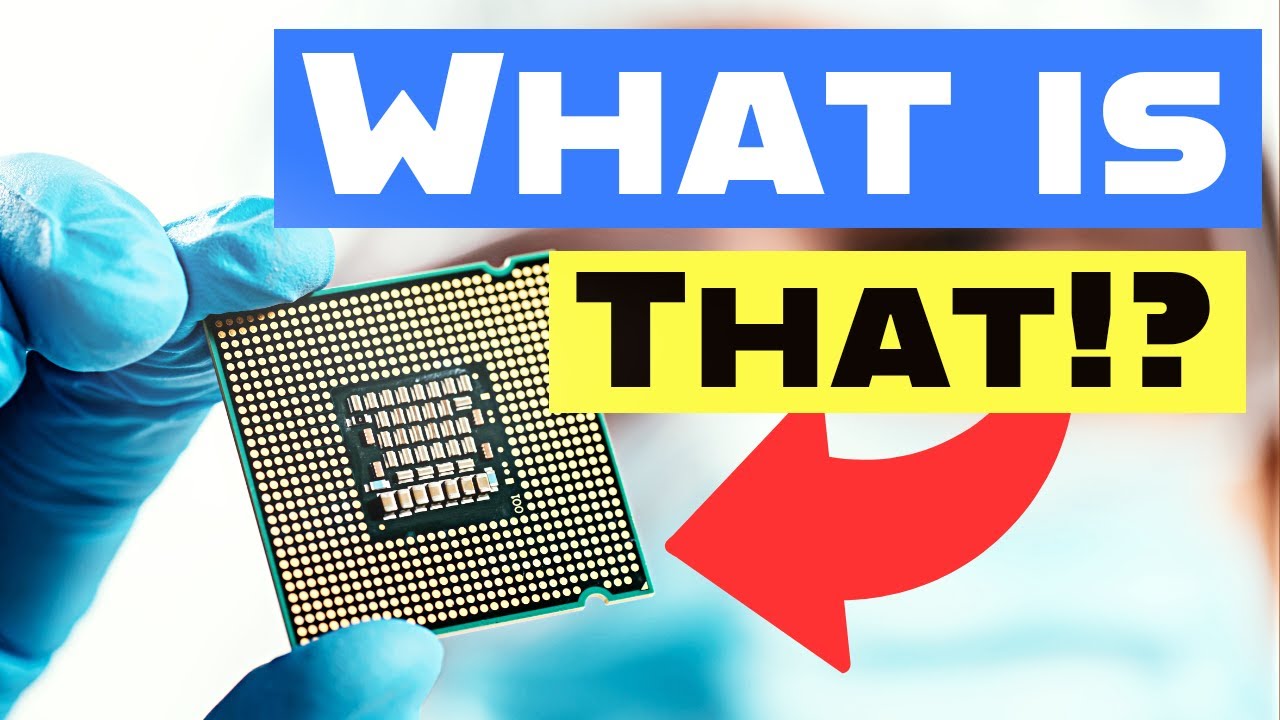
What's a Semiconductor? Semiconductor Chip Manufacturing Process | Tech Explained
Apr 30, 2026


What's a Semiconductor? Semiconductor Chip Manufacturing Process | Tech Explained
Show More Show Less View Video Transcript
0:00
Today, we're talking about one of the most important and versatile components in modern
0:03
technology, semiconductors. Welcome to Best Cool Tech, where we dive into all things tech
0:10
Semiconductors are truly the superheroes of the tech world. They're like the Clark Kent of
0:14
materials, they may seem unassuming at first glance. But once they're put to work, they can
0:18
do some truly amazing things. Just like Superman can fly, semiconductors can control the flow of
0:24
electricity like no other material can. They're like the Wonder Woman of materials, are strong
0:29
powerful, and can do it all. They're not just good at one thing, they're good at everything
0:34
But before we get into all the cool ways these little guys are used, let's first talk about what
0:39
a material is. A material is anything that can be made into a product. For example, wood can be made
0:45
into a chair and metal can be made into a spoon. But not all materials are created equal. Some are
0:50
better suited for certain applications than others. And that's where semiconductors come in. They're
0:55
like the Goldilocks of materials, not too hot and not too cold, just right
1:00
So what makes a semiconductor special? It's all about the electrons. Electrons are tiny particles
1:05
that orbit the nucleus of an atom. They determine a material's electrical conductivity or how well a
1:11
material can conduct electricity In a conductor like copper the electrons are free to move around making it a good choice for things like electrical wiring In an insulator like rubber the electrons are tightly bound and don move around very much making it a good choice for things like electrical insulation But semiconductors are different
1:28
They have a special property that allows them to be used in all sorts of applications, and that is called the band gap. The band gap is the energy required to move an electron from
1:37
a lower energy state to a higher energy state. In insulators, the band gap is very large
1:43
meaning it takes a lot of energy to move an electron. In conductors, the band gap is very
1:47
small, meaning it takes very little energy to move an electron. But in semiconductors
1:52
the band gap is just right. It's not too big and not too small. This means that semiconductors can
1:57
be used to control the flow of electricity, which is why they are so useful in electronics
2:03
There are several ways to manufacture semiconductors, but the most common method
2:07
is called the crystalline growth method. This method starts with a seed crystal
2:11
which is a small piece of semiconductor material that has a perfect crystal structure
2:15
This seed crystal is then placed in a special furnace, where it is heated to a very high
2:19
temperature. At this temperature, atoms of the semiconductor material, such as silicon or
2:24
germanium, are added to the furnace. As these atoms come into contact with the seed crystal
2:29
they begin to form a crystal structure around it. This process is called crystalline growth
2:34
Once the crystal has grown it is cooled down and cut into thin wafers These wafers are then polished to a mirror finish and then they are ready to be used in the manufacturing of semiconductor devices
2:46
Another way to manufacture semiconductors is called the deposition method. This method involves
2:51
depositing a thin layer of semiconductor material, such as silicon or germanium
2:56
onto a substrate using a process such as chemical vapor deposition, CVD, or Molecular Beam Epitaxy, MBE. Once the semiconductor layer is deposited
3:06
it is then patterned using photolithography and etching to create the desired electronic device
3:11
In any case, manufacturing semiconductors is a highly precise and technical process that requires
3:16
a lot of skill, experience. In recent years, there is a new method to create semiconductors
3:22
which is called the printing method. This method uses a special printer that can print semiconductor
3:26
material such as silicon or germanium onto a substrate. This method is similar to how an
3:32
inkjet printer works, but instead of ink, it uses semiconductor material. This method is much faster
3:37
and less expensive than the traditional methods, and it also allows for more complex and intricate
3:42
designs. In addition to all the cool applications we've talked about, semiconductors are also being
3:47
used to create something that's near and dear to all our hearts video games. Yep, that's right
3:52
semiconductors are the building blocks of your favorite console or PC game They used to create graphics processors which are the brains behind all the stunning visuals you see on the screen And let be real who doesn love a good graphics processor Without it we be stuck playing 8 games forever
4:09
That's like being stuck in a time loop of Super Mario and Tetris, and let's be honest, no one wants that
4:15
But it's not just about the visuals, semiconductors are also used in the processors of your gaming devices, making them faster and more efficient
4:22
So the next time you're dominating in Fortnite or crushing it in Call of Duty, just remember
4:27
it's all thanks to those tiny little semiconductors. And speaking of tiny, have you ever heard of the Internet of Things or IoT
4:35
It's basically a fancy way of saying a bunch of tiny devices connected to the Internet
4:39
And guess what? Semiconductors are the building blocks of these devices too
4:44
From your smart thermostat to your connected fridge, semiconductors are what make it all possible
4:48
Imagine a world without IoT. tea, we have to manually turn off the lights and adjust the temperature. Talk about a nightmare
4:55
So, as you can see, semiconductors are pretty much the unsung heroes of the tech world
4:59
They're in everything from your phone to your video games to your thermostat. But like the duct tape of the tech world, they fix everything. But unlike duct tape
5:08
semiconductors are constantly evolving and improving, which means the possibilities for their uses are endless. So, keep your eyes peeled, who knows what amazing tech we will see next
5:16
Make sure to like and subscribe to find out. Thanks for watching. Now check out one of these other cool tech videos
#Hobbies & Leisure