Up next in 10


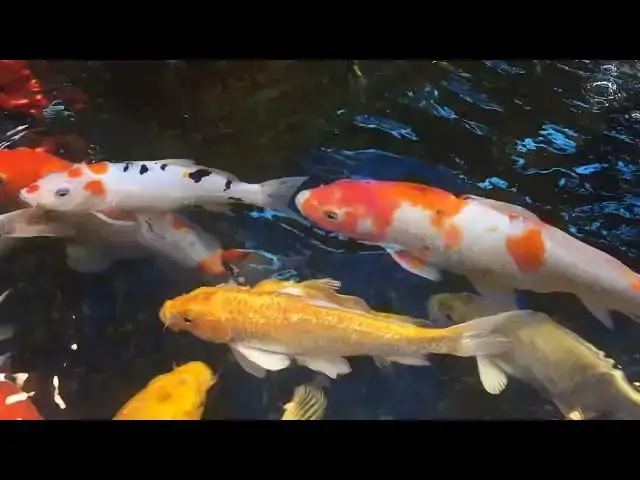
Learn how to properly monitor and maintain your pond equipment during winter. This video covers crucial aspects of cold-weather pond care, including pump management, filter maintenance, heater checks, and aerator upkeep. Discover practical tips for preserving your aquatic ecosystem throughout the chilly months.
Show More Show Less View Video Transcript
0:00
winter Pond equipment monitoring
0:02
essential tips for cold weather care
0:04
maintaining your pond during winter is
0:07
crucial for the health of your aquatic
0:09
ecosystem as temperatures drop it's
0:12
essential to monitor your pond equipment
0:14
to ensure everything continues
0:16
functioning properly this video will
0:18
guide you through the process of
0:19
monitoring your pond equipment during
0:21
the cold months let's start with pumps
0:24
the heart of your pond circulation
0:25
system in Winter you may choose to run
0:28
your pump at a reduced speed or turn it
0:30
off completely depending on your climate
0:33
if you keep it running regularly check
0:36
for any unusual noises or vibrations
0:39
that could indicate a problem ensure the
0:42
pump intake isn't blocked by ice or
0:44
debris if you've turned off the pump
0:47
store it in a frost free location after
0:50
cleaning it thoroughly next let's
0:52
discuss filters if you're running your
0:54
pump your filter should also remain
0:57
operational monitor the filter for any
0:59
sign of clogging or reduced flow in
1:02
freezing temperatures check that the
1:04
filter housing hasn't cracked due to ice
1:07
expansion if youve shut down your filter
1:09
for winter clean it thoroughly and store
1:12
it in a dry frostfree area heaters play
1:16
a vital role in maintaining a small icef
1:18
free area in your pond which allows for
1:21
proper gas exchange regularly inspect
1:24
your heater to ensure it's functioning
1:26
correctly check the power cord for any
1:28
signs of damage and make make sure the
1:30
heater is positioned correctly in the
1:31
pond if you're using a floating dier
1:35
ensure it hasn't tipped over or become
1:37
submerged airators are crucial for
1:40
maintaining oxygen levels in your pond
1:42
during winter monitor your airator to
1:44
make sure it's producing a steady stream
1:46
of bubbles check the airstones and
1:49
tubing for any blockages or damage if
1:51
you're using a surface airator ensure it
1:54
hasn't frozen over and is still creating
1:57
movement on the water's surface in
1:59
addition to monitoring specific
2:01
equipment there are general maintenance
2:02
tasks to keep in mind regularly remove
2:05
any snow that accumulates on the ice to
2:08
allow light penetration for underwater
2:10
plants however never break the ice on
2:13
your pond as this can harm your fish
2:15
keep an eye on water levels throughout
2:16
winter if levels drop significantly add
2:19
dechlorinated water to maintain proper
2:22
depth for your fish also periodically
2:24
test your water quality paying
2:26
particular attention to ammonia levels
2:28
which can build up under ice cover if
2:30
you encounter issues with your equipment
2:33
troubleshoot carefully for instance if a
2:35
pump stops working check the power
2:38
supply and intake for blockages before
2:40
assuming it's broken if a heater isn't
2:42
maintaining an ice free area verify its
2:45
placement and functionality remember
2:47
consistent monitoring is key to
2:49
preventing major problems set a regular
2:51
schedule to check your equipment ideally
2:54
at least once a week by staying Vigilant
2:56
and addressing small issues promptly you
2:59
can Ensure your pond remains healthy
3:01
throughout the winter months setting the
3:03
stage for a thriving ecosystem when
3:05
spring arrives
#Pets & Animals