Up next in 10


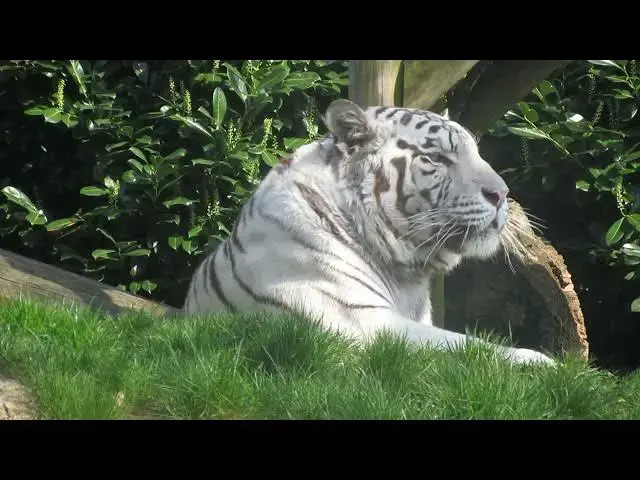
This video explores the difficulties faced in captive tiger breeding programs. It covers issues such as habitat recreation, genetic diversity management, behavioral problems, health care, and ethical considerations. Despite these challenges, the video highlights the importance of these programs in safeguarding tigers from extinction.
Show More Show Less View Video Transcript
0:00
tiger
0:01
conservation challenges of captive
0:03
breeding
0:05
programs Tigers the largest of all big
0:08
cats face a precarious future in the
0:12
wild with only about
0:15
3,500 left in their natural habitats
0:18
captive breeding programs have become
0:20
crucial for the survival of these
0:22
magnificent
0:24
creatures however breeding tigers in
0:27
captivity is far from simple
0:30
it presents a myriad of challenges that
0:33
require expertise resources and
0:36
unwavering
0:38
dedication at its core captive tiger
0:42
breeding aims to maintain genetic
0:44
diversity and potentially reintroduce
0:47
Tigers to the wild but recreating the
0:51
conditions necessary for successful
0:53
breeding and rearing of cubs is a
0:55
complex task one of the primary
0:59
challenges is mimicking the Tiger's
1:01
natural
1:02
habitat in the wild tigers roam vast
1:06
territories sometimes up to 100 square
1:09
kilm captive facilities struggle to
1:12
provide even a fraction of the
1:14
space Additionally replicating the
1:17
diverse environments Tigers encounter
1:20
from dense forests to Grasslands is
1:22
nearly impossible in most Zoo
1:25
settings genetic diversity poses another
1:28
significant hurdle
1:30
with a limited captive population
1:32
inbreeding becomes a real
1:35
concern breeding programs must carefully
1:39
manage genetic lineages to prevent the
1:42
amplification of harmful traits and
1:45
maintain the overall health of the
1:47
captive
1:49
population this often requires
1:51
coordination between multiple facilities
1:54
and meticulous recordkeeping of each
1:57
Tiger's genetic
1:58
history behavioral issues also
2:01
complicate captive breeding
2:03
efforts tigers are solitary by Nature
2:07
coming together only for
2:09
mating in captivity forced proximity can
2:13
lead to stress and
2:15
aggression breeding pairs must be
2:17
carefully selected and
2:19
introduced a process that can be
2:22
dangerous for both the animals and their
2:25
caretakers moreover hand reared Cubs May
2:29
develop behavioral problems that make
2:32
them unsuitable for release into the
2:34
wild defeating one of the key purposes
2:37
of captive breeding
2:39
programs health and Veterinary Care
2:42
present their own set of
2:45
challenges captive tigers are
2:47
susceptible to diseases rarely seen in
2:49
Wild
2:50
populations they require specialized
2:53
diets regular Health checkups and
2:56
immediate medical attention when issues
2:58
arise
3:00
breeding females need extra care during
3:03
pregnancy and after giving birth and
3:06
cubs require Round the Clock monitoring
3:09
in their early
3:11
weeks perhaps the most complex challenge
3:14
lies in the ethical consideration
3:16
surrounding captive
3:18
breeding critics argue that it's cruel
3:21
to keep such wide- ranging animals in
3:24
confined spaces and that resources would
3:26
be better spent on protecting wild
3:28
habitats
3:30
there's also concern about the fate of
3:32
captive bred tigers that can't be
3:35
released into the
3:36
wild these ethical dilemas add another
3:41
layer of complexity to an already
3:43
challenging
3:45
Endeavor despite these hurdles captive
3:48
breeding remains a vital tool in Tiger
3:52
conservation it serves as a safeguard
3:55
against Extinction and provides valuable
3:58
research opportunities that can benefit
4:00
wild
4:02
populations as we continue to refine our
4:05
approaches and address the challenges we
4:07
move closer to the ultimate goal of
4:10
ensuring a future where tigers Thrive
4:13
both in captivity and in the
4:16
wild the path is difficult but the
4:19
stakes are too high to abandon our
4:22
efforts
#Pets & Animals
#Wildlife
#Wildlife
#Ecology & Environment
#Other