Up next in 10


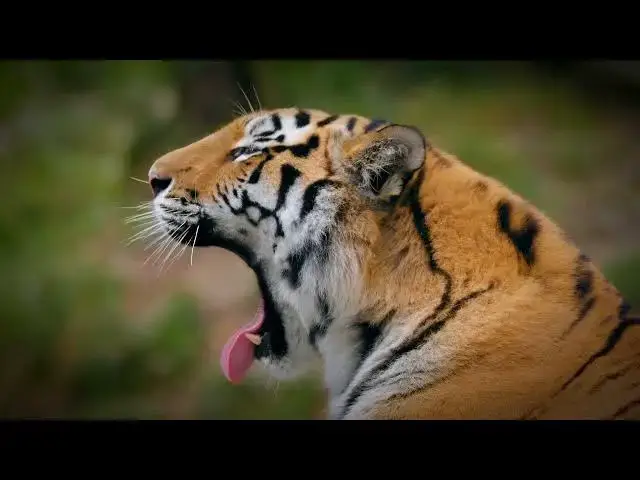
This video explores the surprising relationship between tigers and aquatic plants. Learn how these land predators indirectly influence the life cycles of water-based flora through trophic cascades, herbivore control, and ecosystem balance. Discover real-world examples from national parks in Nepal and India that demonstrate this intricate ecological link.
Show More Show Less View Video Transcript
0:00
tigers and aquatic plants an unexpected
0:04
ecological
0:05
Connection in the intricate web of
0:08
nature unexpected connections often
0:11
emerge today we explore a fascinating
0:15
ecological relationship how Tigers the
0:18
iconic land Predators influence the life
0:21
cycles of aquatic
0:23
plants at first glance tigers and
0:26
aquatic plants seem to inhabit entirely
0:29
separ
0:31
worlds however their connection lies in
0:33
the concept of trophic Cascades where
0:36
changes at one level of the food chain
0:39
ripples through the entire
0:41
ecosystem tigers as apex predators play
0:46
a crucial role in controlling herbivore
0:49
populations in areas where tigers roam
0:52
deer wild boar and other Plante eating
0:55
animals must remain Vigilant and mobile
0:58
to avoid becoming
1:01
this Behavior affects not only their
1:03
numbers but also their grazing
1:06
patterns when herbivore populations are
1:09
kept in check by tigers their impact on
1:12
vegetation is
1:14
moderated this includes the plants
1:17
growing along the edges of water bodies
1:19
which form a critical transition zone
1:22
between Aquatic and terrestrial
1:25
ecosystems in the absence of tigers
1:28
herbivore populations can increase
1:31
unchecked this leads to overg grazing of
1:34
Shoreline vegetation which in turn
1:37
affects the Aquatic
1:40
environment Shoreline plants act as
1:43
natural filters preventing excess
1:45
nutrients and sediment from entering the
1:49
water when these plants are overg grazed
1:52
more nutrients wash into the water
1:55
potentially causing algo blooms and
1:58
disrupting the balance of aquatic plant
2:01
communities moreover some herbivores
2:04
like deer and wild boar directly consume
2:07
aquatic
2:08
plants in areas with healthy tiger
2:11
populations these animals spend less
2:14
time feeding in open areas near water
2:17
allowing aquatic plants to thrive and
2:19
complete their life cycles
2:21
undisturbed the presence of tigers also
2:24
influences the behavior of smaller
2:27
predators in their absence populations
2:30
of smaller carnivores may increase
2:33
leading to higher predation on birds and
2:36
small mammals that play roles in seed
2:38
dispersal for both terrestrial and
2:41
aquatic
2:42
plants a study in chitwan National Park
2:46
Nepal demonstrated this relationship
2:49
clearly when tiger populations recovered
2:52
in the park herbivore grazing patterns
2:55
changed leading to increased vegetation
2:57
along river banks
3:00
this in turn stabilized the banks and
3:04
created better conditions for aquatic
3:06
plants to establish and
3:08
grow similarly in India's ranthambore
3:12
national park the presence of tigers has
3:15
been linked to healthier Lake
3:18
ecosystems the Fear of Tigers keeps
3:21
herbivores from overgrazing near water
3:23
bodies allowing for a diverse community
3:26
of aquatic plants to flourish
3:29
these examples highlight the complex and
3:33
often surprising ways in which Tigers
3:36
indirectly affect aquatic plant life
3:39
cycles by controlling herbivore
3:42
populations and altering their behavior
3:45
Tigers help maintain a balance that
3:47
allows aquatic plants to germinate grow
3:50
and reproduce
3:52
successfully the relationship between
3:54
tigers and aquatic plants underscores
3:58
the interconnectedness of ecosystems and
4:01
the far-reaching impacts of apex
4:04
predators it serves as a powerful
4:07
reminder of why conservation efforts
4:10
must consider entire ecosystems rather
4:13
than focusing on single
4:16
species as we continue to unravel these
4:19
ecological connections it becomes
4:21
increasingly clear that protecting
4:23
Tigers is not just about saving a
4:26
charismatic
4:27
species it's about preserving the
4:30
delicate balance of entire ecosystems
4:33
from the forest floor to the depths of
4:35
lakes and rivers
#Wildlife
#Wildlife
#Biological Sciences
#Ecology & Environment
#Zoos, Aquariums & Preserves