Up next in 10


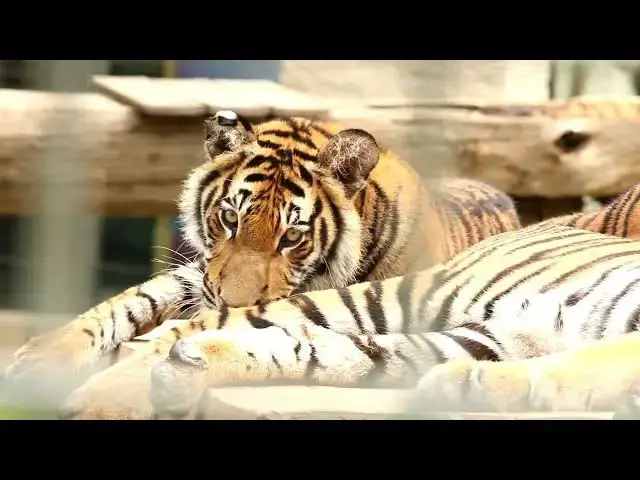
This video examines how agricultural expansion is endangering tiger populations by destroying and fragmenting their natural habitats. It explores the consequences of deforestation, habitat loss, and human-wildlife conflict, while also discussing conservation efforts and potential solutions to balance human needs with tiger preservation.
Show More Show Less View Video Transcript
0:00
agriculture's impact on tiger habitats a
0:03
growing threat
0:07
Tigers The Majestic big cats that have
0:09
long captured our imagination are facing
0:12
a growing threat to their
0:14
survival the
0:16
culprit the Relentless expansion of
0:19
Agriculture into their natural
0:22
habitats this video explores how the
0:25
rise of farming practices is reshaping
0:27
the landscape and pushing tiger to the
0:30
brink of
0:31
Extinction tiger habitats are diverse
0:34
ecosystems that span across parts of
0:37
Asia from dense tropical forests to
0:40
mangrove
0:41
swamps these areas provide tigers with
0:45
the space prey and cover they need to
0:49
thrive however as human populations grow
0:53
and the demand for food increases more
0:56
land is being converted for agricultural
0:59
use
1:01
the rise of Agriculture has been a
1:03
defining feature of human
1:05
civilization it has allowed us to feed
1:08
growing populations and develop complex
1:11
societies this progress comes at a cost
1:16
as Farmland expands it encroaches upon
1:19
wild areas fragmenting and destroying
1:22
crucial tiger
1:23
habitats one of the primary ways
1:26
agriculture affects tiger habitats is
1:29
through
1:31
deforestation large swaths of forest are
1:34
cleared to make way for crops or grazing
1:38
Land This Not only reduces the available
1:41
space for Tigers but also impacts their
1:44
prey
1:45
species with less Forest cover Tigers
1:49
struggle to hunt effectively and find
1:51
suitable Denning
1:53
sites in countries like India and
1:55
Indonesia the conversion of forests to
1:58
palm oil plantations has been
2:00
particularly
2:02
devastating these monoculture
2:04
plantations offer little biodiversity
2:07
and are inhospitable to Tigers and their
2:11
prey the loss of contiguous Forest areas
2:14
forces Tigers to venture into human
2:17
dominated Landscapes increasing the
2:20
likelihood of conflict the fragmentation
2:23
of habitats is another serious
2:25
consequence of agricultural
2:28
expansion as farmer land cuts through
2:31
tiger territories it creates isolated
2:34
pockets of
2:35
habitat this makes it difficult for
2:38
Tigers to move between areas limiting
2:40
genetic diversity and making populations
2:43
more vulnerable to local
2:46
extinctions the impact on tiger
2:48
populations has been
2:50
severe over the past Century we have
2:52
lost 97% of wild
2:56
tigers today there are estimated to be
2:59
fewer than than 4,000 Tigers left in the
3:02
wild this dramatic decline is largely
3:05
attributed to habitat loss with
3:08
agricultural expansion being a primary
3:11
driver but all is not
3:13
lost conservation efforts are underway
3:16
to protect remaining tiger habitats and
3:19
create corridors between fragmented
3:22
areas some countries are implementing
3:25
stricter regulations on deforestation
3:28
and promoting SU sustainable
3:30
agricultural
3:31
practices these efforts aim to balance
3:35
the needs of human populations with the
3:37
preservation of critical wildlife
3:41
habitats Innovative approaches such as
3:43
Agro forestry which combines trees and
3:46
shrubs with crops or livestock offer
3:50
promise these methods can provide
3:53
economic benefits to local communities
3:56
while maintaining some habitat value for
3:58
wildlife
4:00
the rise of Agriculture and its impact
4:02
on tiger habitats presents a complex
4:06
challenge it highlights the delicate
4:08
balance between human development and
4:11
Wildlife
4:13
Conservation as we continue to grow as a
4:16
global population finding ways to
4:18
coexist with magnificent creatures like
4:21
tigers becomes increasingly
4:24
crucial the fate of tigers serves as a
4:27
powerful reminder of our responsibility
4:30
to protect the natural
4:31
world by understanding the link between
4:34
our agricultural practices and wildlife
4:37
habitats we can work towards solutions
4:40
that ensure a future where both humans
4:44
and tigers can
4:46
Thrive the choices we make today will
4:48
determine whether future Generations
4:50
will know a world where tigers roam free
4:53
in their natural habitats for
#Agriculture & Forestry
#Forestry
#Social Issues & Advocacy
#Green Living & Environmental Issues
#Pets & Animals
#Wildlife
#Ecology & Environment
#Hunting & Shooting