Up next in 10


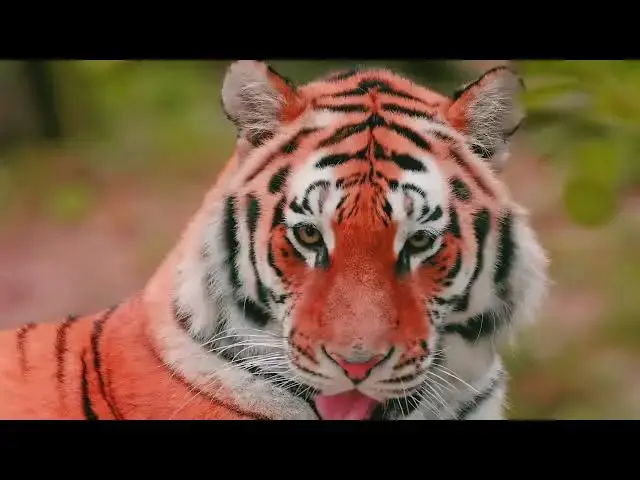
Discover the interconnected world of tiger conservation and how protecting various species and ecosystems plays a crucial role in saving these magnificent big cats. Learn about the importance of prey animals, habitat preservation, and biodiversity in ensuring the survival of tiger populations.
Show More Show Less View Video Transcript
0:00
how protecting other species helped save
0:03
tigers tigers The Majestic big cats that
0:07
have captured our imagination for
0:08
centuries faced numerous threats in the
0:12
wild but did you know that protecting
0:14
other species could be the key to saving
0:17
these iconic
0:19
Predators the conservation of tigers is
0:22
intricately linked to the preservation
0:24
of entire ecosystems and the species
0:28
within them ecosystems are complex webs
0:31
of life where each species plays a
0:34
crucial
0:35
role when we protect other animals and
0:38
plants we inadvertently create a
0:41
positive ruple effect that benefits
0:45
Tigers this
0:47
interconnectedness is at the heart of
0:49
modern conservation
0:50
efforts one of the most direct ways
0:53
other species impact tiger conservation
0:57
is through the preservation of their
0:58
prey
1:00
Tigers primarily feed on large ulates
1:03
such as deer wild boar and sometimes
1:06
even smaller
1:08
bears by protecting these prey species
1:11
we ensure that tigers have a sustainable
1:14
food
1:15
source conservation efforts aimed at
1:17
maintaining healthy populations of deer
1:20
and other prey animals directly
1:22
contribute to the survival of tiger
1:26
populations habitat preservation is
1:28
another critical Factor
1:31
when we protect forests and grasslands
1:34
for a variety of species we
1:36
simultaneously Safeguard tiger
1:39
territories for instance efforts to
1:42
conserve elephants in Asia often involve
1:44
protecting large SES of forest which
1:47
also serve as ideal tiger
1:50
habitats these protected areas provide
1:53
tigers with the space they need to roam
1:56
hunt and raise their young
1:59
water conservation plays a significant
2:02
role as well many species that share
2:05
habitats with tigers depend on healthy
2:08
river
2:09
systems when we protect rivers and
2:11
wetlands for aquatic life and water
2:14
dependent species we also ensure that
2:17
tigers have access to water sources
2:20
which are essential for their
2:22
survival the concept of keystone species
2:26
is particularly relevant to Tiger
2:28
conservation
2:29
these are species that have a
2:31
disproportionate impact on their
2:33
environment relative to their
2:36
abundance in many Asian forests
2:38
elephants act as keystone species by
2:41
creating clearings dispersing seeds and
2:45
maintaining diverse
2:47
vegetation these activities indirectly
2:50
benefit tigers by creating a mosaic of
2:52
habitats that support a variety of prey
2:56
species efforts to protect smaller less
3:00
charismatic species can also have
3:02
unexpected benefits for
3:04
tigers for example conservation of
3:08
certain bird species might lead to
3:10
increased protection of specific Forest
3:12
types which in turn provides additional
3:15
habitat for Tigers and their prey the
3:18
conservation of plant species is equally
3:22
important protecting diverse plant
3:25
communities ensures a healthy forest
3:27
ecosystem which supports the entire food
3:30
chain that Tigers depend on from grasses
3:34
that feed deer to the trees that provide
3:36
cover for hunting plant conservation is
3:39
integral to Tiger
3:42
survival even the preservation of
3:44
insects and other small organisms can
3:47
impact
3:49
Tigers these creatures play Vital roles
3:52
in pollination decomposition and as food
3:55
sources for other animals in the
3:58
ecosystem a healthy insect population
4:01
contributes to the overall biodiversity
4:04
that sustains tiger
4:06
habitats human Wildlife conflict
4:11
mitigation strategies designed to
4:13
protect other species can also benefit
4:17
Tigers when communities learn to coexist
4:21
with various Wildlife it creates a more
4:23
tolerant environment for all species
4:26
including
4:27
tigers in conclusion
4:30
the conservation of tigers cannot be
4:32
viewed in
4:33
isolation it requires a holistic
4:36
approach that considers the entire
4:39
ecosystem by protecting a wide range of
4:42
species and their habitats we create a
4:44
resilient environment where tigers can
4:48
Thrive this interconnected approach to
4:51
conservation not only helps save tigers
4:54
but also preserves the rich biodiversity
4:57
of our planet for future gener ation
#Outdoors
#Pets & Animals
#Pets & Animals
#Wildlife
#Ecology & Environment
#Tourist Destinations
#Zoos, Aquariums & Preserves
#Hunting & Shooting