Up next in 10


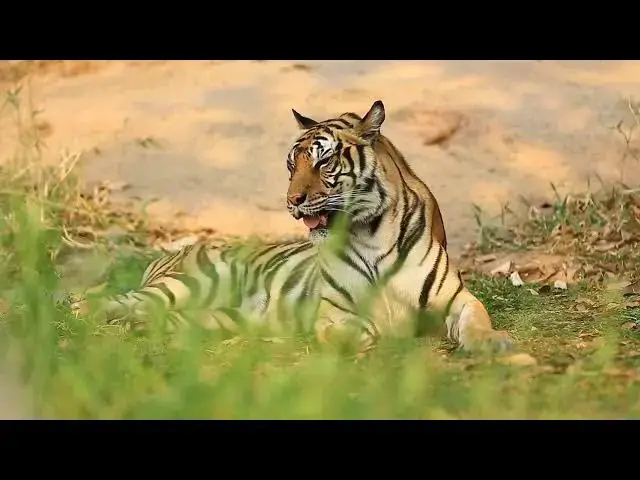
How Long Do Tigers Live in the Wild vs Captivity
Show More Show Less View Video Transcript
0:00
tiger
0:01
lifespans wild fees captivity what it
0:05
means for
0:06
conservation Tigers majestic creatures
0:10
that capture our imagination have vastly
0:13
different lifespans depending on whether
0:16
they live in the wild or in
0:18
captivity this difference raises
0:21
important questions about tiger
0:23
conservation and the role of zoos in
0:26
protecting these magnificent
0:28
animals in the wild tigers face numerous
0:31
challenges that impact their
0:34
lifespan on average wild tigers live
0:38
between 10 to 15
0:40
years this relatively short lifespan is
0:43
due to various
0:45
factors the constant struggle for
0:47
survival in their natural habitat takes
0:50
its
0:50
toe Tigers must hunt for their food
0:54
defend their territory and avoid
0:56
conflicts with
0:58
humans they also face threats from
1:00
poaching habitat loss and
1:04
diseases all these factors contribute to
1:07
a shorter life expectancy in the
1:09
wild in contrast tigers in captivity
1:13
tend to live significantly
1:15
longer in zoos and wildlife sanctuaries
1:19
tigers can live up to 20 to 25 years on
1:22
average with some individuals even
1:25
reaching 30 years of
1:27
age this dramatic increase inre in
1:30
lifespan is attributed to several
1:33
factors active Tigers receive regular
1:37
veterinary care which helps prevent and
1:40
treat
1:41
diseases they have a consistent food
1:43
supply and do not need to hunt reducing
1:46
the risk of injury or
1:49
starvation additionally they are
1:51
protected from poaches and human
1:53
Wildlife
1:55
conflicts the Stark difference in
1:57
lifespan between wild and captive t fig
2:00
highlights both the challenges faced by
2:02
these animals in their natural habitats
2:05
and the potential benefits of
2:07
conservation
2:08
efforts while the longer lifespan in
2:11
captivity might seem positive it is
2:13
crucial to consider the quality of life
2:16
for these
2:17
animals tigers in the wild despite their
2:20
shorter lives experience their natural
2:23
behaviors and
2:25
ecosystems the extended lifespan of
2:28
captive tigers
2:30
plays a vital role in conservation
2:33
efforts it allows for breeding programs
2:36
that help maintain genetic diversity
2:39
especially for critically endangered
2:41
tiger
2:43
subspecies these programs can
2:45
potentially support reintroduction
2:47
efforts helping to bolster wild
2:51
populations however the goal of
2:53
conservation should always be to protect
2:55
and preserve Wild Tiger
2:58
populations the description Y and
3:00
lifespan underscores the urgent need for
3:03
Effective conservation
3:05
strategies these include protecting
3:08
tiger habitats reducing human tiger
3:11
conflicts and combating
3:14
poaching understanding the lifespan
3:16
differences between wild and captive
3:19
Tigers provides valuable insights into
3:22
the challenges these animals face and
3:25
potential role of captive breeding in
3:28
conservation
3:30
it emphasizes the importance of
3:32
maintaining a balance between insitute
3:35
conservation in the wild and exitu
3:38
conservation in controlled
3:41
environments by addressing the factors
3:43
that shorten Tiger's lives in the wild
3:46
we can work towards a future where these
3:48
magnificent creatures thrive in their
3:51
natural habitats for generations to come
#Pets & Animals
#Wildlife
#Ecology & Environment
#Zoos, Aquariums & Preserves