Up next in 10


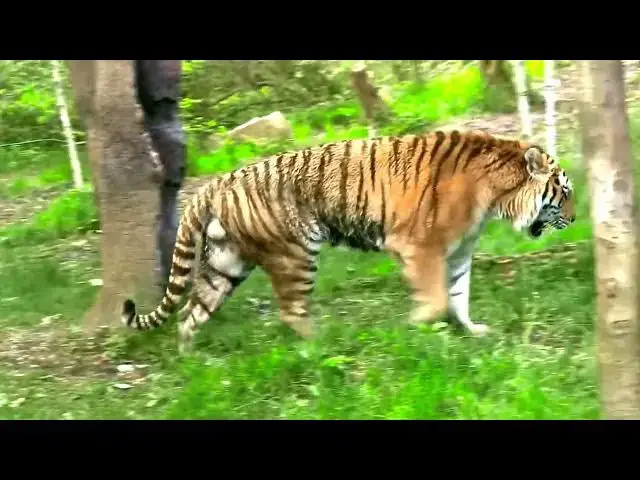
Explore how tigers, the iconic predators of the jungle, are adapting to increasing water scarcity. Learn about their behavioral and physiological changes, hunting strategies, and the conservation efforts needed to protect these magnificent creatures in the face of environmental challenges.
Show More Show Less View Video Transcript
0:00
tigers and water scarcity adapting for
0:03
survival Tigers Majestic predators of
0:06
the Jungle face a growing threat that
0:09
challenges their very
0:11
survival water scarcity is becoming an
0:13
increasingly pressing issue for these
0:15
big cats forcing them to adapt in
0:18
remarkable
0:19
ways water is essential for Tigers just
0:23
as it is for all living
0:26
creatures in their natural habitats
0:29
Tigers typically obtain water from
0:31
rivers lakes and
0:34
streams they are excellent swimmers and
0:37
often use water bodies to cool off
0:40
especially during hot
0:42
Seasons however as climate change and
0:46
human activities alter Landscapes many
0:49
tiger habitats are experiencing reduced
0:52
water
0:53
availability when water becomes scarce
0:56
Tigers must adapt their behavior to
0:59
survive
1:00
they may travel longer distances in
1:02
search of water sources which can be
1:05
risky as it exposes them to potential
1:08
conflicts with humans or other
1:10
Predators tigers have been observed
1:12
digging into dry riverbeds to access
1:15
underground
1:16
water this Behavior demonstrates their
1:19
intelligence and adaptability in the
1:22
face of environmental
1:24
challenges Tigers also modify their
1:27
hunting patterns during water scarcity
1:30
they may focus on prey species that have
1:33
higher water content in their bodies
1:35
such as deer or wild
1:37
boar by consuming these animals tigers
1:41
can obtain some of their required water
1:44
intake through their
1:45
food additionally Tigers might alter
1:48
their activity patterns becoming more
1:51
nocturnal to conserve energy and reduce
1:54
water loss during hot daytime
1:56
hours physiologically tigers have sever
1:59
veral adaptations that help them cope
2:02
with limited water
2:04
availability their kidneys are highly
2:07
efficient at concentrating urine
2:09
allowing them to conserve water tigers
2:12
can also obtain moisture from the
2:14
vegetation they consume incidentally
2:17
while eating
2:18
prey their bodies are Adept at retaining
2:21
water and they can go for relatively
2:24
long periods without drinking if
2:27
necessary however prolonged water water
2:30
scarcity can have severe impacts on
2:32
tiger
2:34
populations it can lead to increased
2:36
competition for limited resources
2:39
potentially resulting in conflicts
2:41
between tigers or with other
2:44
species lack of water can also affect
2:46
the availability of prey animals further
2:49
stressing tiger
2:52
populations female Tigers May struggle
2:55
to produce enough milk for their cubs
2:57
potentially reducing reproductive
2:59
success success and CB survival
3:02
rates conservation efforts must take
3:05
water scarcity into account When
3:08
developing strategies to protect tiger
3:11
populations ensuring access to clean
3:14
water sources within tiger habitats is
3:18
crucial this may involve protecting
3:22
existing water bodies creating
3:25
artificial water holes in strategic
3:28
locations and working to mitigate the
3:31
effects of climate change on tiger
3:34
habitats the response of tigers to water
3:37
scarcity showcases their remarkable
3:40
adaptability but also highlights the
3:42
urgent need for conservation
3:45
action by understanding how these
3:47
magnificent creatures cope with
3:49
environmental challenges we can better
3:52
protect them and the ecosystems they
3:55
inhabit preserving water sources and
3:58
maintaining healthy habit ATS are
4:01
essential steps in ensuring the
4:03
long-term survival of tigers in the wild
#Wildlife
#Biological Sciences
#Ecology & Environment
#Climate Change & Global Warming