Up next in 10


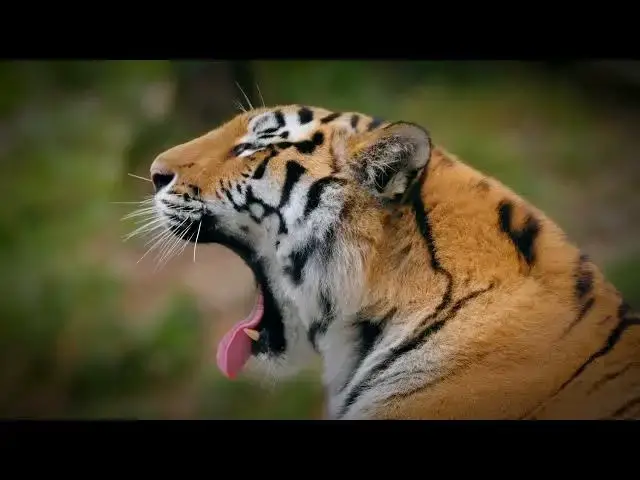
Explore how tigers, powerful wild predators, respond to domestic animals in various settings. This video examines their instincts, behaviors, and the implications for wildlife conservation and human safety. Learn about the complexities of tiger-domestic animal interactions in the wild and in captivity.
Show More Show Less View Video Transcript
0:00
tiger Behavior how big cats react to
0:03
domestic
0:04
animals tigers magnificent predators of
0:08
the wild have long captured our
0:11
imagination but how do these powerful
0:13
big cats react when faced with the
0:16
animals we keep as
0:18
pets this question not only pequs our
0:21
curiosity but also has important
0:23
implications for wildlife conservation
0:26
and human
0:27
safety in their natural habitat s tigers
0:31
are apex predators sitting at the top of
0:34
the food
0:35
chain they are solitary Hunters equipped
0:39
with Keen senses and Incredible strength
0:42
their typical prey includes large
0:45
ulet like deer and wild
0:49
boar this background is crucial for
0:52
understanding how Tigers might perceive
0:54
and react to domestic
0:56
animals when encountering domestic
0:59
animals
1:00
tigers's reactions can vary widely
1:03
depending on the
1:04
context in the wild where tigers have
1:07
not being habituated to human presence
1:10
they generally avoid contact with
1:12
domestic animals and humans alike tigers
1:15
are naturally wary of unfamiliar
1:18
creatures and situations preferring to
1:20
stick to their known prey and
1:23
territories however in areas where human
1:26
settlements encroach on tiger habitats
1:29
interaction become more
1:31
likely here Tigers might view domestic
1:34
animals as potential prey especially
1:37
large animals like cattle or
1:40
goats this can lead to conflict with
1:43
humans as Tigers May attack livestock
1:46
causing economic losses and safety
1:48
concerns for local
1:50
communities in captivities such as in
1:53
zoos or wildlife sanctuaries tigers's
1:56
reactions to domestic animals are
1:58
typically more controlled
2:00
old these tigers are often raised in
2:03
environments where they're exposed to
2:05
various stimuli including the sents and
2:08
sounds of domestic
2:10
animals as a result they may show less
2:13
interest or aggression towards these
2:16
animals however it's important to note
2:19
that even captive Tigers retain their
2:22
wild instincts and their behavior can be
2:26
unpredictable the reasons behind Tiger's
2:28
reactions to domestic animals are rooted
2:31
in their instincts and learned
2:34
behaviors in the wild anything
2:37
unfamiliar could be perceived as a
2:39
threat or potential
2:41
prey domestic animals being different
2:44
from their natural prey might trigger
2:47
curiosity or hunting
2:50
instincts the size of the domestic
2:52
animal also plays a
2:54
row smaller pets like cats or small dogs
2:59
might not register as prey while larger
3:03
animals like cows could be seen as
3:05
potential food
3:07
sources it's crucial to address the
3:09
safety implications of tiger domestic
3:12
animal
3:14
interactions in areas where tigers and
3:16
human settlements overlap it's important
3:18
to implement measures to protect both
3:20
the Tigers and domestic
3:23
animals this might include secure
3:25
enclosures for livestock avoiding
3:28
Grazing In known tiger territories and
3:30
educating local communities about tiger
3:34
Behavior understanding how Tigers react
3:36
to domestic animals is not just a matter
3:39
of satisfying our
3:41
curiosity it's an important aspect of
3:44
wildlife management and
3:46
conservation by recognizing the
3:48
potential for conflict we can develop
3:50
strategies to minimize negative
3:53
interactions protecting both tigers and
3:55
the Animals we keep as companions or
3:58
livestock
3:59
in conclusion Tiger's reactions to
4:02
domestic animals are complex and context
4:07
dependent while they generally avoid
4:09
unfamiliar animals in the wild
4:12
circumstances can lead to predatory
4:14
behavior especially with larger domestic
4:17
animals in captivity reactions may be
4:21
more subdued but still
4:24
unpredictable this knowledge underscores
4:27
the importance of maintaining clear Bal
4:29
boundaries between wild predators and
4:32
human dominated Landscapes ensuring the
4:36
safety of both wildlife and domestic
4:38
animals
#Outdoors
#Pets & Animals
#Pets & Animals
#Cats
#Wildlife
#Ecology & Environment
#Hunting & Shooting
#Animal Welfare