Up next in 10


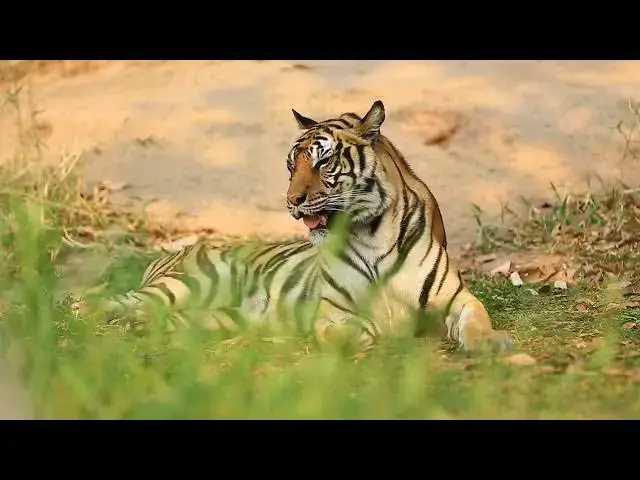
Explore how tigers adapt their hunting strategies in grasslands and forests. Learn about their camouflage, stalking techniques, and prey preferences in these different habitats. Discover how these big cats use their senses and physical abilities to become successful predators in various environments.
Show More Show Less View Video Transcript
0:00
tiger hunting tactics grasslands V's
0:04
forest tigers are among the most
0:07
formidable Predators on our planet
0:09
capable of adapting their hunting
0:11
techniques to various
0:13
environments today we will explore how
0:16
these magnificent big cats hunt in two
0:20
distinct habitats grasslands and
0:23
forests tigers are versatile Hunters
0:28
equally at home in the open Sur bers and
0:30
dense
0:32
jungles in grasslands Tigers face unique
0:36
challenges and
0:38
opportunities the open terrain offers
0:40
less cover requiring Tigers to rely
0:42
heavily on their exceptional
0:45
camouflage their orange coat with black
0:47
stripes which might seem conspicuous to
0:50
human eyes actually Blends seamlessly
0:53
with tall grasses and dappled
0:56
sunlight when hunting in grasslands
0:59
Tigers of often employ a stalk and
1:01
Ambush
1:02
technique they move low to the ground
1:05
using whatever sparse vegetation is
1:07
available for cover their Keen eyesight
1:11
allows them to spot prey from a distance
1:13
and they patiently close the gap before
1:15
launching a sudden explosive attack in
1:19
these open areas Tigers may need to
1:22
chase their prey for short distances
1:24
showcasing their impressive Speed and
1:27
Agility the prey species in grasslands
1:30
tend to be different from those in
1:33
forests Tigers might Target animals like
1:37
antelopes wild cattle or even smaller
1:40
grassland
1:42
creatures these prey animals are often
1:44
faster in open spaces so Tigers must
1:48
time their attacks perfectly to
1:50
succeed now let us shift our Focus to
1:54
Forest
1:55
environments in dense forests Tigers
1:58
utilize a different set of hunting
2:01
strategies the abundance of trees
2:04
undergrowth and varied terrain provides
2:08
ample cover for these stealthy
2:11
Predators here tigers can get much
2:13
closer to their prey before attacking
2:16
often within just a few
2:18
meters Forest hunting relies more
2:20
heavily on a tiger's acute
2:23
senses their excellent hearing and sense
2:26
of smell become crucial in detecting
2:30
prey through the thick
2:32
vegetation tigers in forests tend to be
2:35
more patient sometimes waiting
2:37
motionless for hours until the perfect
2:40
opportunity presents itself the prey
2:43
base in forests is typically more
2:46
diverse Tigers might hunt deer wild boar
2:50
and even smaller
2:52
Bears the complex environment allows
2:55
Tigers to use terrain features like
2:57
Fallen logs or dense bushes to their
3:00
advantage setting up Ambush points where
3:03
prey animals are likely to
3:06
pass comparing the two habitats we see
3:09
that grassland hunting often requires
3:12
more speed and endurance while Forest
3:14
hunting emphasizes stealth and
3:18
patience in grasslands Tigers might need
3:21
to work harder to find adquate cover
3:24
whereas forests provide natural
3:28
concealment the open visible ility of
3:30
grasslands allows Tigers to spot prey
3:32
from afar but it also means they can be
3:35
seen more
3:36
easily in contrast forests limit
3:39
visibility but offer more opportunities
3:42
for Close Quarter
3:43
ambushes despite these differences
3:46
Tigers demonstrate remarkable
3:48
adaptability in both
3:51
environments they adjust their hunting
3:53
techniques based on the terrain
3:56
available prey and even individual
3:59
circumstan
4:00
es this flexibility is a testament to
4:04
the Tiger's intelligence and physical
4:07
capabilities allowing them to thrive in
4:10
diverse ecosystems across their
4:12
range in
4:14
conclusion whether stalking through sun
4:17
dappled grasslands or prowling in the
4:19
shadowy depths of a forest tigers prove
4:23
themselves as Master
4:25
Hunters their ability to modify their
4:27
hunting strategies showcases is why they
4:30
remain at the top of the food chain in
4:32
any environment they
4:34
inhabit this adaptability is not just
4:38
crucial for their survival but also
4:41
highlights the importance of preserving
4:43
diverse habitats to ensure the continued
4:47
existence of these magnificent predators
#Outdoors
#Wildlife
#Biological Sciences
#Biological Sciences
#Ecology & Environment
#Hunting & Shooting