live_tv
Livestream Starting Soon
00
Hours
:
00
Minutes
:
00
Seconds
Up next in 10


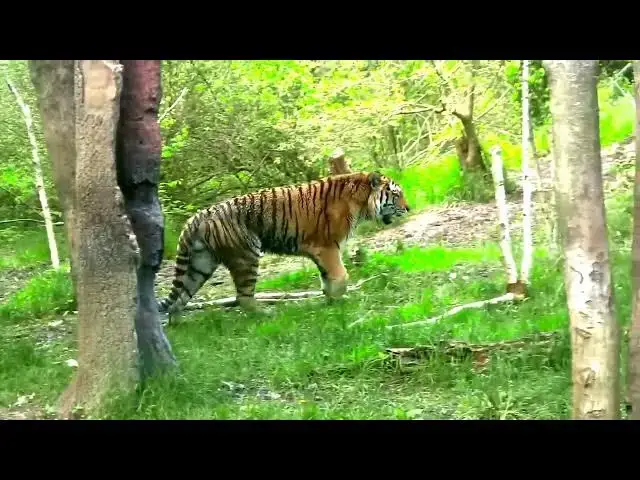
Discover the natural mechanisms and conservation strategies that help tigers maintain genetic diversity in limited populations. Learn about natal dispersal, scent recognition, territorial behavior, and human interventions that protect these magnificent big cats from the risks of inbreeding.
Show More Show Less View Video Transcript
0:00
tiger genetics how big cats avoid in
0:03
breeding Tigers majestic creatures of
0:07
the wild face numerous threats to their
0:10
survival one challenge that often goes
0:13
unnoticed is the risk of inbreeding in
0:16
limited
0:18
populations how do these magnificent big
0:21
cats avoid this genetic
0:24
Pitfall inbreeding occurs when closely
0:27
related individuals mate and produce
0:30
Offspring this can lead to a decrease in
0:34
genetic diversity and an increase in
0:37
harmful genetic traits potentially
0:39
weakening the population over time for
0:43
Tigers living in fragmented habitats
0:46
with small population sizes the risk of
0:48
inbreeding is a serious
0:51
concern in the wild tigers have evolved
0:54
several natural mechanisms to avoid
0:57
inbreeding one of the most important is
1:00
their innate tendency to
1:02
disperse young Tigers particularly males
1:06
typically leave their natal areas when
1:08
they reach
1:10
maturity this Behavior known as natile
1:14
dispersal helps prevent them from
1:16
meeting with close relatives and
1:18
promotes genetic diversity within the
1:22
population female tigers also play a
1:25
crucial role in avoiding
1:28
inbreeding they have developed a keen
1:30
ability to recognize and avoid meeting
1:33
with close
1:34
relatives this natural aversion to
1:38
inbreeding is believed to be based on
1:40
scent
1:42
recognition allowing females to identify
1:45
potential mates that are not closely
1:48
related to them the territorial nature
1:51
of tigers further contributes to
1:53
inbreeding
1:55
avoidance adult males establish and
1:58
defend large territories which often
2:01
overlap with the ranges of several
2:04
females this territorial system helps
2:07
ensure that breeding occurs between
2:09
individuals from different family groups
2:12
reducing the likelihood of
2:14
inbreeding in limited populations
2:17
however these natural mechanisms may not
2:20
be
2:21
sufficient human intervention can play a
2:23
vital role in maintaining genetic
2:26
diversity conservation programs often
2:29
implement carefully managed breeding
2:31
strategies such as translocation of
2:34
individuals between isolated
2:37
populations this helps introduce new
2:41
genetic material and mimics the natural
2:44
dispersal patterns that would occur in
2:47
larger connected
2:49
habitats genetic monitoring is another
2:52
important tool used by
2:55
conservationists by analyzing DNA
2:58
samples scientists can can assess the
3:00
genetic health of tiger populations and
3:03
identify individuals that may be at risk
3:05
of
3:06
inbreeding this information guides
3:09
conservation efforts and helps
3:12
prioritize which Tigers should be moved
3:14
between populations to maintain genetic
3:18
diversity the creation and maintenance
3:21
of wildlife corridors is also
3:25
crucial these protected areas of land
3:28
connect isolated tiger habitats allowing
3:31
for natural dispersal and gene flow
3:33
between
3:35
populations by facilitating movement
3:38
between different groups Wildlife
3:40
corridors help Tigers avoid inbreeding
3:43
on their own
3:45
terms understanding how Tigers avoid
3:48
inbreeding in limited populations is
3:51
essential for their long-term
3:53
survival as human activities continue to
3:56
fragment tiger habitats conservation
3:59
effort
4:00
must focus on maintaining genetic
4:03
diversity by supporting these efforts we
4:06
can help ensure that future Generations
4:09
will continue to Marvel at the beauty
4:12
and strength of these incredible animals
4:15
in the wild
#Pets & Animals
#Pets & Animals
#Cats
#Wildlife
#Ecology & Environment
#Genetics