Up next in 10


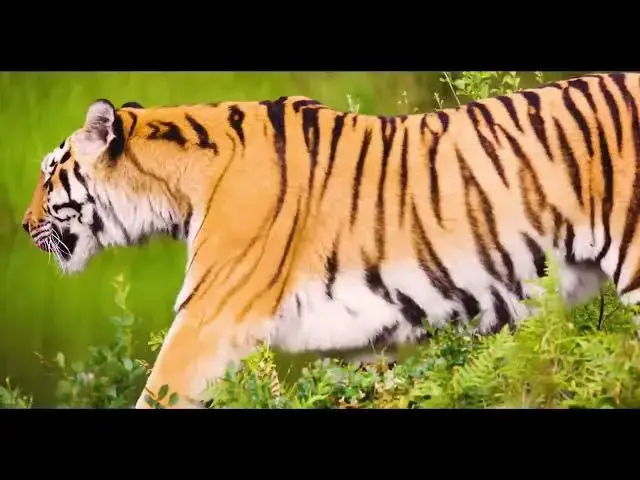
Explore how tigers are adjusting to habitat loss across Asia. Learn about the causes of habitat reduction, the challenges tigers face, and the conservation efforts helping these big cats survive in changing environments. Discover the resilience of tigers and the importance of preserving their habitats for ecological balance.
Show More Show Less View Video Transcript
0:00
Tiger survival adapting to shrinking
0:03
habitats
0:06
Tigers The Majestic big cats that once
0:09
roamed vast stretches of Asia are now
0:12
facing a critical
0:15
challenge how do these incredible
0:17
animals adjust to the shrinking of their
0:20
natural
0:21
homes tiger habitats have been
0:24
drastically reduced over the past
0:27
Century these apex predators
0:30
once inhabited a wide range across Asia
0:34
from Turkey in the west to the eastern
0:37
coast of Russia today they are confined
0:40
to just 7% of their historical
0:44
range this dramatic reduction has forced
0:47
Tigers to adapt to new and often
0:50
challenging
0:51
environments the primary causes of tiger
0:54
habitat loss are human
0:57
activities deforestation for agriculture
1:01
logging and Urban Development has
1:04
fragmented tiger
1:06
territories infrastructure projects like
1:09
roads and dams further divide their
1:13
habitats additionally climate change is
1:16
altering ecosystems affecting the
1:19
distribution of prey species that Tigers
1:22
rely on in response to these changes
1:25
tigers have shown remarkable
1:28
adaptability they have been observed
1:30
venturing into human dominated
1:32
Landscapes including agricultural areas
1:36
and the outskirts of
1:37
villages some tigers have even adapted
1:41
to living in Mangrove forests a habitat
1:44
not traditionally associated with these
1:46
big
1:47
cats however this adjustment comes with
1:51
significant
1:52
challenges Tigers require large
1:55
territories to hunt and breed
1:57
successfully in fragmented habitats they
2:01
struggle to find enough prey and
2:03
suitable
2:04
mates this can lead to inbreeding and
2:07
reduced genetic diversity weakening the
2:09
population's overall health and
2:12
resilience human tiger conflict has also
2:16
increased as Tigers move closer to human
2:19
settlements this proximity puts both
2:22
tigers and humans at risk often
2:25
resulting in retaliatory killings of
2:28
tigers that prey on livestock or pose a
2:31
perceived threat to human
2:34
safety conservation efforts are crucial
2:37
in helping Tigers adjust to habitat
2:40
loss protected areas and Wildlife
2:43
corridors are being established to
2:45
connect fragmented habitats allowing
2:47
Tigers to move more freely and access
2:50
larger
2:51
territories reforestation projects aim
2:55
to restore degraded habitats providing
2:58
tigers with more suit able areas to live
3:01
and Hunt Innovative approaches are also
3:05
being
3:06
implemented some conservationists are
3:09
working on coexistence strategies
3:12
helping local communities live alongside
3:14
Tigers through better livestock
3:16
management and compensation programs for
3:19
Tiger related
3:21
losses education and awareness campaigns
3:25
play a vital role in garnering public
3:27
support for Tiger conservation
3:30
by understanding the importance of
3:32
tigers in maintaining ecological balance
3:35
people are more likely to support
3:37
efforts to protect their
3:39
habitats the ability of tigers to adjust
3:42
to habitat loss is a testament to their
3:45
resilience but it is not a long-term
3:48
solution the survival of these
3:51
magnificent creatures depends on our
3:53
commitment to preserving and restoring
3:55
their natural
3:57
habitats by protecting tiger habitats we
4:01
not only ensure the future of these
4:03
iconic animals but also preserve entire
4:07
ecosystems that benefit countless other
4:09
species including
4:12
humans the story of tiger adaptation is
4:15
ongoing and its upcome rests in our
4:18
hands through continued conservation
4:21
efforts and sustainable development
4:23
practices we can help tigers not just
4:26
survive but thrive in the wild for
4:29
generations to come
#Pets & Animals
#Pets & Animals
#Wildlife
#Ecology & Environment
#Climate Change & Global Warming
#Tourist Destinations
#Zoos, Aquariums & Preserves