Up next in 10


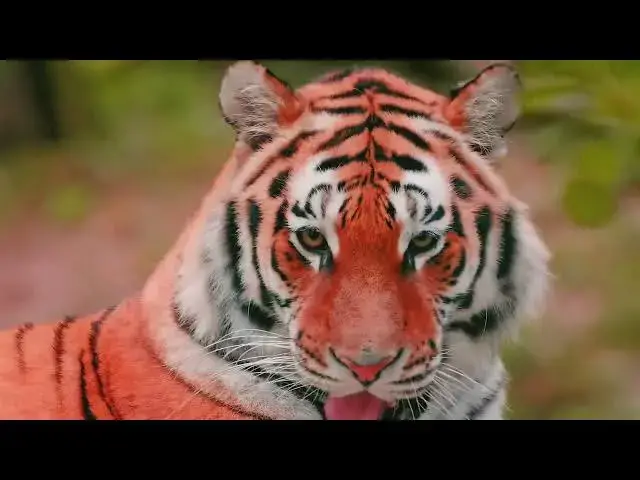
Explore the key differences between tigers, leopards, and jaguars. This video covers their physical characteristics, habitats, hunting techniques, and conservation status, highlighting what makes each of these big cats unique.
Show More Show Less View Video Transcript
0:00
Tigers leopards and jaguars comparing
0:03
big
0:04
cats big cats have long captivated our
0:08
imagination with their power grace and
0:12
beauty among these magnificent creatures
0:16
Tigers leopards and jaguars stand out as
0:20
some of the most
0:22
recognizable but how different are they
0:25
from one
0:26
another let's explore the unique
0:28
characteristics that set these felin
0:31
apart Tigers leopards and jaguars all
0:36
belong to the panther agenus which
0:39
includes the largest cats in the world
0:42
despite their shared lineage each
0:45
species has evolved distinct features
0:47
and behaviors that help them thrive in
0:50
their respective
0:52
environments let's start with physical
0:55
characteristics tigers are the largest
0:58
of the three with male Siberian tigers
1:01
reaching lengths of up to 3 and 1/2 M
1:04
and weighing as much as 300
1:07
kg leopards and Jaguars are
1:10
significantly smaller with Jaguars being
1:13
slightly larger and more muscular than
1:16
leopards the most noticeable difference
1:20
lies in their cook
1:22
patterns Tigers sport their iconic
1:25
orange fur with black stripes while
1:28
leopards and jaguars have rosette shaped
1:32
spots Jaguars rosettes are larger and
1:36
often have small spots inside them
1:38
unlike the solid rosettes of
1:40
leopards their habitats and
1:42
distributions also vary
1:45
greatly tigers are found across Asia
1:48
from Siberia to India and Southeast Asia
1:53
leopards have the widest distribution in
1:56
habiting parts of Africa and Asia Jag
2:00
on the other hand are the only big cats
2:03
native to the Americas ranging from the
2:05
southwestern United States to Northern
2:08
Argentina with the Amazon rainforest
2:11
being their primary
2:12
habitat when it comes to behavior and
2:15
hunting techniques each cat has its own
2:19
Specialties tigers are powerful swimmers
2:22
and often hunt in water taking down
2:25
large prey like deer and wild
2:28
boar let WS are excellent climbers known
2:32
for dragging their kills up trees to
2:34
protect them from other
2:36
Predators Jaguars have the strongest
2:39
bite force of any big cat allowing them
2:41
to crush the skulls of their prey and
2:44
even Pierce turtle
2:46
shells unfortunately all three species
2:49
face threats to their
2:51
survival tigers are considered
2:54
endangered with only about 3,700 left in
2:57
the
2:58
wild leopards are classified as
3:00
vulnerable with some subspecies
3:03
critically
3:04
endangered
3:06
Jaguars while listed as near threatened
3:09
are facing habitat loss and
3:11
fragmentation across their
3:13
range in conclusion while Tigers
3:16
leopards and jaguars share a common
3:18
ancestry they have evolved unique
3:21
adaptations that set them apart from
3:25
their size and coat patterns to their
3:27
habitats and hunting techniques each
3:30
species plays a vital role in its
3:34
ecosystem understanding and appreciating
3:36
these differences is crucial for
3:39
conservation efforts aimed at protecting
3:41
these magnificent big cats for future
3:44
Generations
#Pets & Animals
#Pets & Animals
#Pets
#Cats
#Exotic Pets
#Reptiles & Amphibians
#Wildlife
#Biological Sciences
#Ecology & Environment