Up next in 10


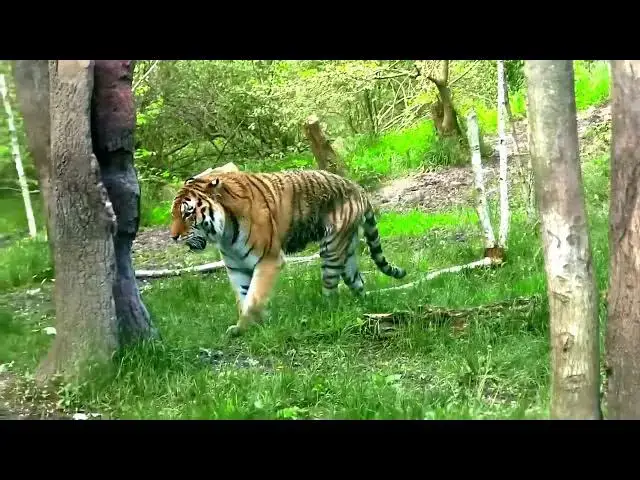
This video explores how climate change is affecting tiger habitats and behavior. We discuss the impact of changing water availability, vegetation shifts, extreme weather events, and prey distribution on tiger populations. The video also highlights the challenges these changes pose for tiger conservation efforts and the importance of addressing climate change to protect these iconic predators.
Show More Show Less View Video Transcript
0:00
climate change and tiger habitats
0:03
adapting to a shifting
0:05
environment Tigers The Majestic big cats
0:09
that have captured our imagination for
0:11
centuries are facing a new challenge in
0:14
the 21st
0:15
century climate shifts are reshaping
0:18
their habitats forcing these adaptable
0:21
yet vulnerable creatures to alter their
0:24
behavior and
0:26
range today we explore how changes in
0:30
climate are influencing tiger habitat
0:33
choices and what this means for their
0:37
future climate change is not just about
0:39
Rising
0:41
temperatures it encompasses a complex
0:44
web of environmental alterations that
0:47
directly impact the ecosystems Tigers
0:50
call
0:50
home as rainfall patterns shift
0:54
vegetation changes and extreme weather
0:57
events become more frequent tigers must
1:00
navigate an Ever Changing
1:03
landscape one of the most significant
1:05
ways climate shifts affect tiger
1:08
habitats is through changes in water
1:11
availability tigers are not just forest
1:14
dwellers they rely heavily on water
1:16
sources for hunting cooling and
1:19
hydration as some regions experience
1:22
increased drought water bodies shrink or
1:25
disappear
1:26
entirely this forces Tigers to travel
1:29
far rather in search of water
1:31
potentially bringing them into conflict
1:33
with human settlements or other tiger
1:37
territories vegetation changes are
1:39
another crucial
1:40
Factor as temperatures rise and rainfall
1:44
patterns alter the plant species that
1:46
make up tiger habitats are
1:49
changing some areas may see increased
1:51
growth of certain plants While others
1:54
experience die
1:56
offs this affects not only the Tigers
2:00
directly but also their prey
2:03
species deer wild boar and other animals
2:07
that tigers hunt may move to New areas
2:10
in search of suitable vegetation
2:13
compelling Tigers to follow or adapt
2:16
their hunting
2:17
strategies the frequency and intensity
2:20
of extreme weather events also play a
2:23
role in shaping tiger habitat
2:26
choices more frequent floods can
2:29
temporarily displace tigers from
2:31
low-lying areas while prolonged dry
2:34
spells May force them to seek new
2:36
territories with more reliable
2:39
resources these disruptions can lead to
2:42
increased tiger movement potentially
2:44
increasing human tiger conflict in areas
2:48
where their new ranges overlap with
2:50
human
2:52
settlements climate shifts are also
2:54
influencing the distribution of tiger
2:57
prey
2:58
species as certain areas become less
3:01
hospitable due to changes in temperature
3:04
or vegetation prey animals May migrate
3:07
through new
3:09
regions tigers being adaptable Predators
3:13
often follow their prey this can lead to
3:17
shifts in Tiger populations with some
3:20
areas seeing an increase in Tiger
3:22
numbers While others experience
3:25
declines the impact of these habitat
3:28
changes on tiger population
3:30
is
3:31
significant in some regions Tigers May
3:34
benefit from expanded suitable habitat
3:37
while in others they may face increased
3:39
competition for
3:41
resources however the overall trend is
3:45
concerning as habitats become fragmented
3:49
and less stable due to climate shifts
3:52
tiger populations may become more
3:55
isolated reducing genetic diversity and
3:58
making them more vulnerable able to
4:00
local
4:02
extinctions conservation efforts must
4:04
now take these climate induced habitat
4:07
changes into account protected areas may
4:11
need to be reassessed and potentially
4:13
expanded to include corridors that allow
4:16
Tigers to move between suitable habitats
4:19
as conditions
4:21
change additionally habitat restoration
4:24
efforts should consider future climate
4:26
scenarios to ensure long-term viability
4:31
the influence of climate shifts on tiger
4:33
habitat choices serves as a stark
4:36
reminder of the interconnectedness of
4:39
our Global
4:41
ecosystem as we work to protect these
4:43
iconic Predators we must also address
4:46
the root causes of climate
4:48
change the fate of tigers like many
4:52
species is inextricably linked to the
4:55
health of our
4:56
planet by understanding and mitigating
4:59
the impact of climate change we can help
5:02
ensure a future where tigers continue to
5:05
roam Wild and Free in their everchanging
5:08
habitats
#Pets & Animals
#Wildlife
#Ecology & Environment
#Climate Change & Global Warming
#Tourist Destinations
#Zoos, Aquariums & Preserves