live_tv
Livestream Starting Soon
00
Hours
:
00
Minutes
:
00
Seconds
Up next in 10


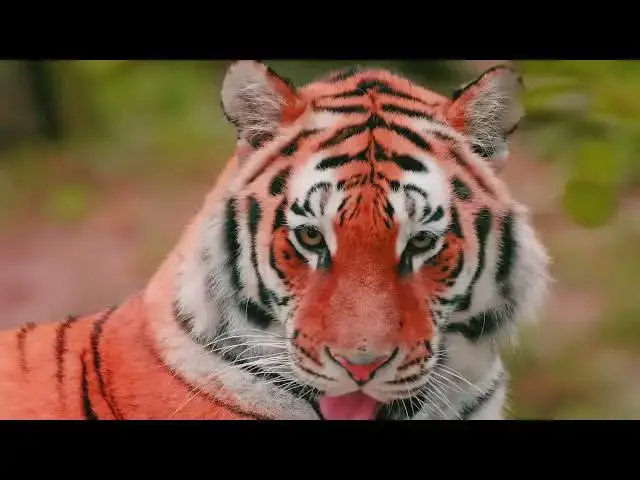
Discover how ancient trade routes like the Silk Road and Spice Routes facilitated the spread of tigers across Asia. Learn about the impact on tiger subspecies, ecosystems, and modern conservation efforts.
Show More Show Less View Video Transcript
0:00
ancient trade routs how Tigers spread
0:03
across Asia ancient trade
0:06
routs were more than just Pathways for
0:10
Commerce they were corridors of cultural
0:12
exchange technological advancement and
0:15
surprisingly animal
0:18
dispersal today we explore how these
0:21
historic highways of human civilization
0:24
played a crucial role in the spread of
0:27
one of Nature's most magnificent
0:29
predators
0:31
the
0:32
tiger tigers native to Asia have a wide
0:36
distribution across the
0:38
continent but how did they manage to
0:40
spread so far and
0:42
wide the answer lies in the intricate
0:45
network of trade routs that crisscrossed
0:48
Asia for thousands of
0:51
years the Silk Road perhaps the most
0:54
famous of these ancient trade routes
0:56
stretched from China to the
0:58
Mediterranean
1:00
as Merchants traversed this vast expanse
1:03
they inadvertently created opportunities
1:05
for Tigers to expand their
1:08
range the Lush forests and abundant prey
1:12
along the Route provided ideal
1:14
conditions for these big cats to thrive
1:17
and gradually move
1:18
Westward another significant pathway was
1:21
the torse road connecting the T
1:24
producing regions of yanan and Sichuan
1:26
to Tibet and
1:28
Beyond this mountainous route with its
1:32
diverse ecosystems allowed Tigers to
1:35
adapt to various habitats and altitudes
1:38
contributing to their remarkable ability
1:40
to survive in different
1:43
environments the maritime spice routs
1:46
linking southeast Asia to India and
1:49
Middle East also played a role in Tiger
1:53
dispersal as ships carried valuable
1:56
spices across the Indian Ocean tigers
1:59
found new territories in coastal regions
2:01
and
2:02
Islands this explains the presence of
2:05
tiger populations in places like the
2:08
Sund islands of
2:10
Indonesia as Tigers followed these trade
2:12
routes they encountered new ecosystems
2:16
and prey
2:17
species this led to adaptations in their
2:20
hunting techniques physical
2:23
characteristics and
2:25
behaviors over time distinct subspecies
2:28
emerged each uniquely suited to its new
2:32
environment the Siberian tiger for
2:35
instance developed a thicker coat and
2:38
larger body size to survive in the
2:40
colder Northern
2:41
regions the dispersal of tigers along
2:44
trade routes had far-reaching
2:46
consequences for
2:49
biodiversity as apex predators Tigers
2:52
played a crucial role in maintaining the
2:54
balance of their new
2:57
ecosystems their presence affected prey
2:59
populations vegetation patterns and even
3:02
the behavior of other
3:05
Predators however the same trade routs
3:08
that facilitated tiger dispersal
3:11
eventually contributed to their
3:13
decline as human settlements expanded
3:16
along these routes habitat loss and
3:19
conflict with humans became significant
3:22
threats to Tiger
3:24
populations the demand for Tiger Parts
3:28
in traditional medicine fueled by
3:30
increased trade further decimated their
3:34
numbers understanding how ancient trade
3:37
groups impacted tiger dispersal is not
3:40
just a matter of historical
3:42
curiosity it provides valuable insights
3:45
for modern conservation
3:47
efforts by recognizing the historical
3:50
movement patterns of tigers
3:52
conservationists can better plan
3:54
protected areas and Wildlife
3:57
corridors this knowledge also o
4:00
highlights the importance of
4:01
international cooperation in Tiger
4:04
conservation as the fate of these
4:06
magnificent creatures has long been
4:08
intertwined with human activities across
4:11
National
4:12
borders the story of tiger dispersal
4:15
along ancient trade routes reminds us of
4:18
the complex and often unexpected ways
4:22
human activities shaped the natural
4:24
world as we continue to navigate our
4:27
relationship with nature let this serve
4:29
as a powerful example of how our actions
4:32
can have profound and lasting impacts on
4:35
the planet's biodiversity
#Pets & Animals
#Wildlife
#Biological Sciences
#Ecology & Environment
#Tourist Destinations
#Zoos, Aquariums & Preserves
#Historical Sites & Buildings