live_tv
Livestream Starting Soon
00
Hours
:
00
Minutes
:
00
Seconds
Up next in 10


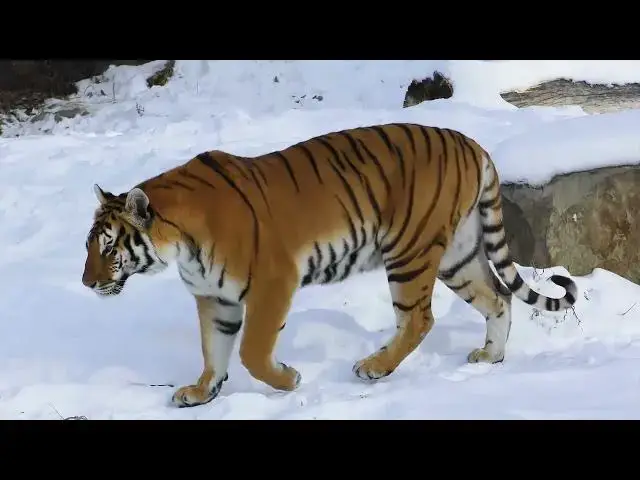
A Look at How Tigers and Wolves Coexist or Conflict
Show More Show Less View Video Transcript
0:00
tigers and Wolves coexistence of forest
0:03
predators in the vast Wilderness of Asia
0:05
two apex predators roam the same forests
0:09
each commanding respect and fear in
0:12
their own right tigers and wolves
0:15
formidable Hunters with distinct hunting
0:17
Styles have found ways to coexist in
0:20
shared habitats for Millennia but how do
0:23
these powerful carnivores manage to live
0:26
alongside each other and when do their
0:28
paths lead to conflict tigers and wolves
0:31
inhabit overlapping territories across
0:34
parts of Russia China and other regions
0:37
of Asia both species play crucial roles
0:40
in maintaining the ecological balance of
0:42
their ecosystems Tigers solitary and
0:45
stealthy are known for their strength
0:47
and ability to take down large prey
0:50
wolves on the other hand are social
0:53
animals that hunted packs often
0:56
targeting smaller to medium-sized
0:59
animals
1:00
despite their differences these
1:02
Predators have developed strategies to
1:05
coexist one key factor is their
1:07
different hunting preferences and
1:09
techniques Tigers typically focus on
1:12
larger prey such as deer and wild boar
1:15
while wolves tend to hunt smaller
1:17
animals like rabbits and rodents this
1:20
natural division of resources helps
1:23
reduce direct competition for food
1:25
additionally tigers and wolves are
1:28
active at different times of the day day
1:30
tigers are often more active during Dawn
1:33
and dusk while wolves are primarily
1:36
nocturnal this temporal separation
1:38
further minimizes the chances of direct
1:41
encounters between the two species
1:43
however
1:45
coexistence is not always peaceful
1:47
conflicts can arise when food sources
1:50
become scarce or when territories
1:52
overlap significantly in such cases
1:55
tigers being larger and more powerful
1:58
May occasionally prey on wolves
2:00
especially lone individuals or pups
2:03
conversely a pack of wolves might
2:06
challenge a tiger if they feel
2:08
threatened or are protecting their young
2:11
human activities have significantly
2:14
impacted the delicate balance between
2:17
these Predators habitat loss due to
2:20
deforestation and urban expansion has
2:22
forced tigers and wolves into smaller
2:25
fragmented areas this increased
2:28
proximity can lead to more frequent
2:30
conflicts and competition for limited
2:32
resources moreover human Wildlife
2:35
conflict has put additional pressure on
2:37
both species as their natural prey
2:40
becomes scarce due to hunting or habitat
2:42
destruction both tigers and wolves may
2:45
turn to livestock as an alternative food
2:48
source this not only brings them into
2:51
conflict with humans but also increases
2:54
the likelihood of encounters between the
2:56
two Predators as they compete for the
2:59
same resources conservation efforts play
3:01
a crucial role in maintaining the
3:04
balance between tigers and wolves
3:06
protected areas that preserve large
3:08
contiguous habitats are essential for
3:11
allowing these predators to coexist
3:14
naturally additionally efforts to reduce
3:17
human Wildlife conflict and maintain
3:20
healthy populations of prey species can
3:22
help minimize competition between tigers
3:25
and wolves understanding the complex
3:28
relationship between tigers and wolves
3:30
is vital for conservation strategies by
3:33
preserving their habitats and the
3:35
ecosystems they inhabit we not only
3:38
protect these magnificent Predators but
3:40
also maintain the delicate balance of
3:42
nature the coexistence of tigers and
3:45
wolves serves as a testament to the
3:47
intricate Web of Life in our forests and
3:49
reminds us of the importance of
3:51
preserving biodiversity in all its forms
#Outdoors
#Pets & Animals
#Pets & Animals
#Wildlife
#Biological Sciences
#Ecology & Environment
#Animal Sports
#Hunting & Shooting