live_tv
Livestream Starting Soon
00
Hours
:
00
Minutes
:
00
Seconds
Up next in 10

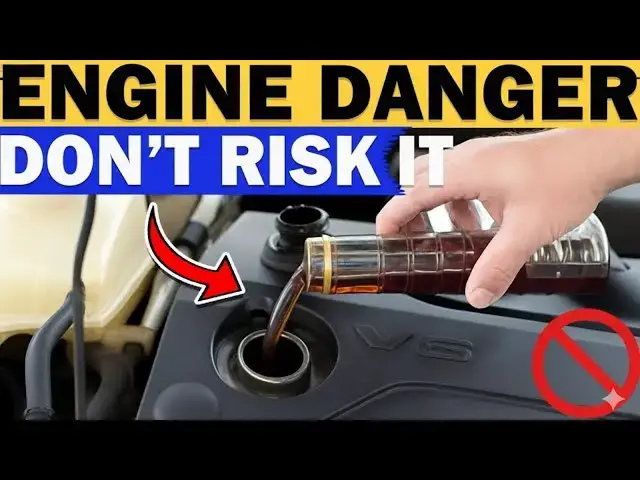
Engine Oil Additives: 11 Products Destroying Your Engine (+ 5 That Actually Work)
Oct 19, 2025

Think oil additives protect your engine? Think again. After 30 years of tearing down engines, I've seen catastrophic damage from products that promised "ultimate protection." In this video, I expose 11 oil additives that have documented failure patterns—some even faced class-action lawsuits—and reveal the 5 products that actually passed my real-world testing.
🔴 11 ADDITIVES TO AVOID:
PTFE/Teflon Additives (Slick 50 & similar)
Chlorinated Paraffins
Excessive Zinc (ZDDP Overload)
Solvent-Based Engine Flushes
Graphite-Based Additives
Compression Restorers (Snake Oil)
Mystery Oil Conditioners
Excessive Molybdenum Disulfide
"Magnetic" Oil Additives
Stop-Leak Additives
Fake Nano-Metal Suspensions
✅ 5 ADDITIVES THAT ACTUALLY WORK:
Lucas Heavy Duty Oil Stabilizer
BG MOA Motor Oil Supplement
TriboTEX Nano Oil Additive
Show More Show Less View Video Transcript
0:00
You're looking at a Toyota Camry engine
0:02
that needed a complete rebuild. Not from
0:04
lack of maintenance, but because the
0:06
owner trusted a $12 bottle of oil
0:08
additive. Here's something most
0:10
mechanics won't admit. The oil additive
0:12
industry is filled with products that
0:14
range from useless to catastrophically
0:16
harmful. I spent three decades tearing
0:19
down engines, and I've seen patterns you
0:21
need to know about. Today, I'm revealing
0:23
11 additives that have documented
0:25
failure patterns. Some even faced class
0:28
action lawsuits. and the five products
0:30
that actually passed my realworld
0:32
testing. By the end, you'll know exactly
0:34
what to avoid and what might actually
0:36
help your engine. But first, quick
0:38
question. Have you ever used an oil
0:39
additive? Drop a comment. I read every
0:41
single one, and your experience might
0:43
help someone else avoid a costly
0:45
mistake. Before we dive into specific
0:47
products, you need to understand
0:49
something critical. Modern engine oil is
0:52
already an incredibly sophisticated
0:54
blend. Your typical 5W30 contains 15 to
0:58
25% additives by volume, detergents,
1:01
dispersants, anti-wear agents, viscosity
1:04
modifiers, and anti- foaming compounds.
1:06
These formulations take years and
1:08
millions of dollars to develop. They're
1:10
tested at temperatures from -40° F to
1:13
400° F, balanced for specific engine
1:17
designs, and certified by API, ILSAC, or
1:21
ACA standards. So, when you pour in an
1:24
aftermarket additive, you're not
1:25
upgrading your oil. You're disrupting a
1:28
carefully engineered formula. Sometimes
1:30
that disruption is minor. Sometimes it's
1:33
catastrophic. The products I'm about to
1:35
show you, they tilt that balance in the
1:37
wrong direction. Let's start with the
1:39
worst offenders. Number 11, PTFE or
1:42
Teflonbased additives. The most famous
1:45
is Slick 50. Though several brands use
1:48
this approach. Here's the fundamental
1:50
problem. PTFE doesn't dissolve in oil,
1:53
it suspends. Think of it like trying to
1:55
mix sand and water. Eventually, gravity
1:58
wins. I've documented this in my own
2:00
shop. After just 3,000 mi with a PTFE
2:03
additive, oil filters show white residue
2:06
buildup. The engine's oil passages even
2:09
worse. This lifter came from a Chevy
2:11
with 50,000 mi. The owner religiously
2:14
used PTFE additives, thinking they were
2:17
helping. Notice the scoring. That's from
2:19
oil starvation, the very thing the
2:21
additive claimed to prevent. Here's the
2:24
smoking gun. Even DuPont, the company
2:26
that invented Teflon, issued statements
2:28
in the 1990s recommending against using
2:32
PTFE in engine oil. When the
2:34
manufacturer says, "Don't do this."
2:36
Maybe listen. Modern engines with
2:38
variable valve timing, turbochargers,
2:40
and direct injection have oil passages
2:42
as small as 2 mm. They cannot tolerate
2:45
suspended solids. Number 10, chlorinated
2:48
paraffins. Chlorinated paraffins. These
2:51
show up in extreme pressure or heavy
2:53
load additives. The chemistry here is
2:55
disturbing. Under normal engine
2:57
operating temperatures around 220 to
3:00
250° F, chlorinated paraffins break down
3:03
into hydrochloric acid. Yes, acid in
3:07
your engine flowing through bearings,
3:09
coating cylinder walls, attacking every
3:11
metal surface. This cam shaft tells the
3:14
story. See these pitted areas? That's
3:16
not mechanical wear, that's chemical
3:18
corrosion. The owner used a chlorinated
3:21
paraffin additive for just 5,000 mi in a
3:23
Ford 5.4 L V8. Every major automaker
3:27
specifically prohibits chlorinated
3:29
compounds in their approved oil
3:30
specifications. Ford, GM, Toyota, Honda.
3:34
Check any owner's manual. They're all
3:36
consistent on this. The environmental
3:37
impact is equally bad. These compounds
3:40
are persistent organic pollutants
3:42
restricted in many countries. If it's
3:44
toxic to the environment, what's it
3:46
doing inside your engine? If you're
3:48
finding this helpful, hit that subscribe
3:50
button. I post detailed engine tearowns
3:52
and realworld testing every week, and
3:54
it's completely free. Number nine,
3:57
excessive zinc, ZDDP boosters in modern
4:00
vehicles. This one's tricky because zinc
4:02
isn't inherently bad. It's about
4:05
context. ZDP or zinc dial ditheosphate
4:09
was the gold standard anti-wear additive
4:11
for decades. If you're running a flat
4:13
tapet cam in a 1960s engine, you
4:15
absolutely need it. But modern engines,
4:18
completely different story. Here's what
4:20
happens. Excess zinc burns off during
4:22
combustion, travels through the exhaust,
4:24
and coats your oxygen sensors and
4:26
catalytic converter surfaces. This
4:29
creates a barrier that prevents the
4:30
catalyst from working. I documented this
4:33
on a 2016 Ram 1500. The owner added two
4:36
bottles of high zinc additive, thinking
4:39
more protection is better. within 1,800
4:41
miles, check engine light, poor fuel
4:44
economy, and a completely poisoned
4:46
catalyst. The replacement cost, $1,400.
4:50
The additive cost, $24. That's not
4:54
protection. That's expensive ignorance.
4:56
Modern oils already contain perfectly
4:59
balanced zinc levels, typically 600 to
5:02
800 ppm for gasoline engines. Adding
5:04
more doesn't increase protection in the
5:06
engine. It just destroys emissions
5:08
equipment. Classic cars, use Heisync oil
5:11
designed for them. Modern cars, trust
5:14
the oil formulation. It's that simple.
5:16
Number eight, solventbased engine
5:18
flushes. Solvent-based engine flush
5:20
additives. These promise to clean
5:22
decades of sludge in 15 minutes. Sounds
5:25
great, right? The problem is chemistry.
5:27
Most flushes contain aggressive
5:29
solvents, kerosene, napa, or similar
5:32
petroleum distillates. They do dissolve
5:34
deposits, but they also destroy your
5:36
oil's viscosity. Watch this
5:38
demonstration. Fresh 5W30 on the left.
5:41
Same oil with flush additive on the
5:43
right. See how watery it becomes? That's
5:46
your bearing protection disappearing.
5:48
This rod bearing came from a Honda
5:50
Accord. The owner used an engine flush,
5:53
then drove 30 mi before changing the
5:55
oil. The thinned oil couldn't maintain
5:57
proper film strength under load. Here's
5:59
the cruel irony. The instructions
6:01
typically say, "Add flush, idle for 15
6:04
minutes, then change the oil." But
6:07
people drive with it. Even idling for 15
6:09
minutes is risky in a high mileage
6:11
engine with deposits holding things
6:13
together. I've seen flushes dislodge
6:15
large chunks of sludge that then block
6:17
oil pickup screens. The engine was
6:19
running fine with the sludge. The flush
6:21
attempt killed it. If your engine needs
6:23
cleaning, use frequent oil changes with
6:25
quality detergent oil. Slow and steady
6:28
wins this race. Number seven, graphite
6:30
based oil additives. Marketing claims
6:32
sound scientific. Ultra low friction
6:34
molecular coating. reality black sludge
6:37
festival. Graphite is a solid lubricant
6:40
effective in locks and hinges. But in
6:42
motor oil, it has the same problem as
6:44
PTFE. It doesn't stay suspended. This
6:46
oil pan came from a Ford 308 V8. The
6:49
owner ran a graphite additive for just
6:51
8,000 mi. Look at this buildup. It's
6:53
like tar coating every surface. But the
6:55
real damage is internal. These oil
6:57
galleries were half blocked with
6:59
graphite paste. lifters weren't getting
7:01
adequate flow, creating the exact
7:03
ticking noise the owner was trying to
7:04
eliminate. Modern engines have oil
7:07
passages as small as 1.5 to 3 mm,
7:10
especially in variable valve timing in
7:12
turbo feeds. Suspended solids are the
7:14
enemy of these tight tolerances. Plus,
7:17
graphite holds heat rather than
7:19
dissipating it. In a 230° F oil
7:22
environment, you want heat transfer, not
7:24
insulation. Graphite works great for
7:27
door hinges. Keep it out of your crank
7:29
case. Number six, compression restore
7:32
snake oil. So-called compression
7:34
restoers. If a product claims to fix
7:36
mechanical wear from a bottle, run away.
7:39
These products promise to seal worn
7:41
piston rings, stop oil burning, and
7:44
restore lost power. The ingredients list
7:46
usually just ultra thick oil with soft
7:49
metal particles or seal conditioners.
7:51
Here's what actually happens. The thick
7:53
formula temporarily fills gaps between
7:55
worn rings and cylinder walls.
7:57
compression might rise slightly for a
7:59
few hundred miles, giving false hope.
8:02
Then reality hits. This Dodge Hemi came
8:05
in with mysterious black deposits
8:07
coating the valve train. The owner had
8:09
been using an unnamed oil conditioner
8:11
for 10,000 mi. We never figured out what
8:13
it was made of, but we know it caused
8:16
problems. Legitimate additives have full
8:18
ingredient disclosure or safety data
8:20
sheets, API or ILSAC certification
8:23
markings, published laboratory testing
8:25
results, OEM approvals or endorsements,
8:28
and clear manufacturer contact
8:30
information. If a product hides behind
8:32
proprietary formulas, that's a red flag
8:35
the size of Texas. Number four,
8:37
excessive malibdinum dulfide or MSO2.
8:40
This one's nuanced. Moly isn't bad, but
8:42
dosage matters enormously. Malibdinum
8:45
dulfide is actually an effective
8:47
anti-wear additive when properly
8:49
formulated. Many quality oils contain it
8:52
at 50 to 100 ppm. The problems start
8:55
when people add supplemental moly
8:56
boosters on top of already treated oil.
8:59
MSO2 is a fine powder. In professional
9:02
formulations, it's mil to microscopic
9:04
size and suspended with dispersants. In
9:07
cheap additives, it settles quickly.
9:10
This filter came from a BMW 335 after
9:13
the owner added two bottles of budget
9:15
moly additive. See the black paste?
9:17
That's malibdinum dissulfide that
9:19
settled out and accumulated. The result
9:22
dramatically reduced oil pressure and
9:24
accelerated wear. The opposite of the
9:26
intended effect. If you want malibdinum
9:29
dulfide protection, buy oil that already
9:32
contains it, like liquid moly or
9:34
valvalene with moly. Don't add separate
9:36
Moly boosters unless you're working with
9:38
a specialty application and know exact
9:41
dosing. It's like salt in cooking. A
9:43
little enhances everything. Too much
9:46
ruins the meal. Except with engines,
9:48
ruining the meal costs thousands. Number
9:51
three, magnetic oil additives. This is
9:53
where the oil additive industry enters
9:55
pure fiction. Some products claim their
9:58
formula has magnetic properties that
10:00
make oil clean better to metal surfaces.
10:03
Let's be crystal clear. This violates
10:05
basic physics. Motor oil is not
10:07
magnetic. Engine oil is primarily
10:10
hydrocarbon molecules. They don't have
10:12
magnetic properties. You can't make oil
10:14
magnetic any more than you can make
10:16
water magnetic. Some marketing goes even
10:19
further, claiming magnetic seals align
10:21
oil molecules for maximum protection.
10:23
That's not science. That's science
10:25
fiction. When you analyze these
10:27
products, they're usually just thick oil
10:28
with metal flakes suspended in them.
10:31
Those flakes aren't helping. They're
10:32
clogging filters and scratching
10:34
bearings. No SAPE papers, no engineering
10:37
journals, no OEM acknowledgement. Just
10:40
slick marketing preying on people who
10:42
don't know better. Have you seen wild
10:44
claims like this? Drop a comment with
10:46
the craziest oil additive marketing
10:47
you've encountered. Let's expose this
10:50
nonsense together. Number two, stop leak
10:52
additives. Engine oil stop leak
10:54
additives. These might stop a drip
10:56
today, but you're trading a $50 problem
10:58
for a $3,000 disaster. Stop leak
11:01
products work by softening and swelling
11:03
rubber seals using aggressive chemical
11:05
agents. Your rear main seal is weeping.
11:08
Pour this in and it'll swell up and stop
11:10
leaking temporarily. The problem, those
11:13
chemicals don't just stop it swelling.
11:15
They continue breaking down rubber
11:17
compounds. After a few thousand miles,
11:19
seals become brittle, crack, or turn
11:21
mushy. This rear main seal came from a
11:23
Chevy Silverado. Started with a minor
11:25
leak, maybe five drops overnight. Owner
11:27
used stop leak. 3 months later, the seal
11:30
completely disintegrated, dumping oil
11:32
everywhere. But here's what really
11:34
concerns me. That stop leak fluid
11:36
doesn't stay in the seal. It circulates
11:38
through your entire oil system. I've
11:40
documented it clogging VBT solenoids,
11:43
blocking lifter oil passages, and
11:44
gumming up PCV systems. The quick fix
11:47
becomes a systemic problem. If your
11:49
engine is leaking, identify the source
11:51
and replace the seal properly. Yes, it's
11:54
more expensive upfront, but it's
11:55
dramatically cheaper than the engine
11:57
damage stop leak causes. Using stop leak
12:00
is like putting expanding foam in a
12:01
cracked pipe. Sure, the leak stops, but
12:03
now you've got foam breaking off inside
12:05
your plumbing, causing clogs throughout
12:07
the system. Fix problems correctly, not
12:10
cheaply. Number one, fake nano metal
12:13
suspension additives. This is the most
12:15
insidious because the marketing sounds
12:17
so sophisticated. These products claim
12:19
to use microscopic metal nano particles
12:22
that bond to engine surfaces, creating
12:24
an ultras slick protective layer at the
12:25
molecular level. Sounds amazing, except
12:28
most of them are complete frauds. Real
12:31
nanotech requires electron microscopes,
12:33
clean room facilities, and millions in
12:34
research funding. You don't get that in
12:36
a 1999 bottle from an unverified Amazon
12:39
seller. This oil filter came from a
12:41
Mazda CX-5 turbocharged engine. The
12:43
owner used a budget nano metal additive.
12:46
Two weeks later, turbo failure and
12:48
metallic sludge clogging the filter. Lab
12:50
analysis showed it was just metallic
12:52
flakes in suspension. No actual
12:54
nanotechnology whatsoever. Now, there is
12:57
one legitimate nano additive I'll
12:59
discuss in a moment. It has NASA funding
13:01
and published research. But the dozens
13:03
of knockoffs flooding the market pure
13:05
garbage. Red flags for fake nanotech
13:08
include no published scientific studies,
13:10
no API or SAPE certification, vague
13:13
claims about molecular bonding, no
13:15
transparency about particle size or
13:17
composition, and being sold primarily
13:19
through unverified online retailers. If
13:22
it sounds like magic, it probably
13:23
belongs in a movie, not your engine.
13:26
Okay, we've covered the disasters. Now,
13:28
let's talk about what actually works.
13:31
I'm about to share five products that
13:32
I've personally tested, torn down
13:34
engines after using, and verified
13:36
through used oil analysis. These have
13:38
legitimate science, proper
13:40
certifications, and most importantly,
13:42
realworld results that don't end in
13:44
catastrophe. But before we continue, if
13:46
you're getting value from this, smash
13:48
that like button and subscribe. These
13:50
detailed investigations take weeks of
13:52
research and testing. Your support makes
13:54
it possible. Let's dive in to what
13:56
actually earns a place in your garage.
13:58
Approved. Number five, Liquole MS2
14:01
anti-friction. This is German
14:03
engineering done right. Unlike the
14:05
clumpy moly disasters we discussed
14:06
earlier, Liquole uses ultrafine
14:09
malibdinum dissulfide that stays
14:10
suspended in oil and bonds to metal
14:13
surfaces without settling. I've run this
14:15
in multiple test vehicles with before
14:17
and after oil analysis. The results
14:19
consistently show reduced wear metals.
14:21
Iron, chromium, and aluminum all
14:23
decreased. I've personally used this in
14:25
my own high mileage Silverado. smoother
14:27
cold starts, quieter valve train, and
14:29
oil temperatures dropped about 5 to 8
14:31
degrees under sustained load. It's also
14:34
OEM approved in European markets and has
14:36
decades of documented performance. No
14:38
wild claims, no mystery ingredients,
14:40
just solid anti-wear chemistry. This is
14:43
ideal for high mileage engines, older
14:44
vehicles, and anyone wanting extra wear
14:47
protection during extended drain
14:48
intervals. Approved number four, Arkale
14:51
R9100. This is for the diesel guys, and
14:54
especially if you run a Power Stroke,
14:56
this stuff solves real problems. Ark
14:58
Whale 9100 is specifically formulated to
15:01
address stick, that sticky, sluggish
15:03
behavior in hydraulic electronic unit
15:05
injectors common in 6.0 and 7.3 L Power
15:08
Strokes. I documented this on a 2005
15:10
F350 with 180,000 mi. Before Arwell
15:14
9100, cold starts were rough with
15:16
visible smoke and rough idle for 30 to
15:18
45 seconds. One week after adding
15:20
Arkwell 9100, cold starts were
15:23
dramatically smoother. It works by
15:25
cleaning varnish deposits and reducing
15:27
friction in injector components. This
15:29
isn't magic. It's targeted chemistry for
15:31
a specific problem. Fleet maintenance
15:33
operations use this regularly and it has
15:35
consistent positive reviews from actual
15:37
diesel mechanics, not just marketing
15:39
testimonials. This is ideal for
15:41
powerstroke diesels with stiction, high
15:43
mileage diesels, and gasoline engines
15:45
with sticky lifters or VVT issues.
15:48
Approved. Number three, Triboteex. This
15:50
is the only nano additive I'll endorse
15:53
because it has genuine science behind
15:54
it. Unlike the fake nanotech garbage we
15:57
exposed earlier, Triboteex was developed
15:59
with funding from NASA and the
16:00
Department of Energy. Real research,
16:02
real particle engineering. It uses
16:05
engineered synthetic diamond
16:06
nanoparticles that bond to metal
16:08
surfaces under heat and pressure,
16:10
actually filling microscopic surface
16:12
imperfections. I tested this in a high
16:14
mileage Subaru with Lifter. After 1500
16:16
miles, the Lifter Tick reduced
16:18
noticeably. Oil analysis showed improved
16:20
wear numbers. Not overnight magic, but
16:23
measurable improvement. It's pricey,
16:25
around $90 to $120 for a treatment, but
16:28
it's backed by legitimate peer-reviewed
16:30
research, and thousands of documented
16:32
results. This is ideal for engines
16:34
showing early wear signs, high-v value
16:36
vehicles you're keeping long-term, and
16:38
applications where you want maximum
16:39
protection. Approved. Number two, BG MOA
16:42
or motor oil additive. If professional
16:45
shops trust it, there's usually a good
16:47
reason. BG MOA isn't flashy, but it's
16:50
incredibly effective at what it does,
16:52
preserving oil integrity under extreme
16:54
stress. I've used this in turbocharged
16:57
vehicles that run hot and in high
16:58
mileage engines running extended drain
17:00
intervals. The oil stays cleaner longer
17:02
and burnoff is noticeably reduced. It's
17:05
fully API certified from modern engines.
17:08
No ZDP overload, no foaming issues, no
17:10
compatibility problems with catalytic
17:12
converters. This is ideal for
17:14
turbocharged engines, vehicles with
17:15
extended drain intervals, high heat
17:17
applications, and maintaining oil
17:19
quality in severe service. Approved
17:21
number one, Lucas heavyduty oil
17:23
stabilizer. Controversial, but when used
17:27
correctly, it delivers. Lucas is a
17:29
viscosity improver. It thickens your
17:31
oil. That's not always good, but in the
17:34
right application, it's exactly what's
17:36
needed. For high mileage engines with
17:38
worn bearings or loose tolerances, Lucas
17:40
can boost oil pressure and reduce
17:42
mechanical noise. I documented a 12 PSI
17:45
increase in hot idle pressure on a
17:46
220,000 mi Subson. The key is using it
17:50
intelligently. Adding one quart to a
17:52
worn high mileage engine, excellent.
17:54
Dumping half your crank case full in a
17:56
new tight tolerance engine. Disaster.
17:59
Use it in high mileage engines over
18:01
150,000 miles, engines with worn
18:03
bearings or low oil pressure, and heavy
18:04
load applications. Don't use it in new
18:07
engines, tight tolerant sports cars, or
18:09
in amounts exceeding 20% of your oil
18:12
capacity. I've seen it quiet noisy valve
18:14
trains, extend life in work trucks, and
18:16
help old engines survive until proper
18:18
repairs are affordable. Used
18:20
intelligently, Lucas is a solid tool.
18:23
Just don't expect miracles, and don't
18:24
use it where it doesn't belong. So,
18:26
there you have it. 11 oil additives that
18:29
can destroy your engine and five that
18:31
actually pass real world testing. The
18:34
bottom line is modern engine oil is
18:36
already sophisticated. Most engines
18:38
don't need additives if you're using
18:40
quality oil and changing it on schedule.
18:42
The best engine protection comes from
18:44
quality oil that meets OEM
18:46
specifications, regular changes, and
18:48
proper maintenance. Everything else is
18:50
secondary. But if you're running an
18:52
older engine, addressing specific issues
18:54
like stiction or wear, or operating
18:57
under severe conditions, the right
18:59
additive used correctly can help.
19:02
Subscribe and hit the bell icon. I post
19:05
detailed mechanical investigations, real
19:07
testing, and no BS automotive advice
19:09
every week. I want to hear from you.
19:11
What oil additives have you used? Good
19:14
experiences or horror stories? Drop a
19:16
comment below. Your realworld experience
19:18
helps others avoid expensive mistakes.
19:21
If this video helped you avoid a costly
19:23
mistake or understand additives better,
19:25
share it with other car owners.
#Autos & Vehicles
#Autos & Vehicles
#Vehicle Repair & Maintenance