Up next in 10


Are you filling up with the wrong gas? In this video, we'll be counting down the worst gasoline brands to avoid in 2025. With so many options at the pump, it can be hard to know which gas is best for your vehicle. From poor fuel efficiency to subpar customer service, we'll be exploring the gasoline brands that fall short.
Whether you're a daily commuter or a road trip enthusiast, this video is for you. Find out which gas stations to steer clear of and make informed decisions about where to fill up. Stay tuned for the full list of the worst gasoline brands to avoid in 2025.
Here is a complete, SEO-optimized description crafted from your script, designed to rank in YouTube search and convert viewers.
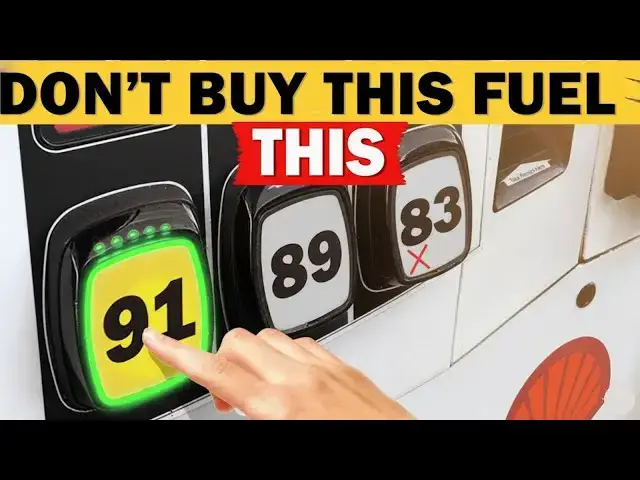
This isn't about regular vs. premium. It's about an outdated 1995 EPA standard that isn't good enough for modern engines (especially GDI engines). We reveal the common gasoline brands you should avoid and show you the simple way to find the "Top Tier" fuel your car was actually designed for.
A landmark AAA study found that non-Top Tier gas can create 19 TIMES more carbon buildup on intake valves. Before your next fill-up, watch this investigation.
✅ RESOURCES
Find Certified Brands: Check the official Top Tier list here: https://www.toptiergas.com
🛠️ Recommended Tools:
✅ Anti-seize compound (https://amzn.to/3J8to6O)
✅ Dielectric grease (https://amzn.to/3W5p2Ao)
✅ Oil filter cutter (https://amzn.to/43dBAtf)
✅ High-mileage oil (https://amzn.to/4ooSKwl)
✅Throttle Body Cleaner WD-40 (https://amzn.to/4n317gu)
✅Car OBD2 Scanner (https://amzn.to/4o2bhz1)
✅Torque Wrench (https://amzn.to/3IG5e2T)
Show More Show Less View Video Transcript
0:00
Every time you pull up to the pump,
0:01
you're making a choice. And it's a
0:03
choice that goes far beyond just regular
0:05
or premium. What the big gas companies
0:07
don't want you to know is that one of
0:09
those choices leads to a cleaner,
0:11
healthier engine, while the other could
0:13
be silently costing you thousands of
0:15
dollars in repairs. This isn't a
0:17
conspiracy theory. This is about what's
0:19
actually in the fuel you're buying and
0:21
what's been left out. A huge number of
0:23
gas stations across America are selling
0:25
you a product that is silently, slowly,
0:28
and systematically compromising your
0:30
car's engine. They're selling a fuel
0:32
that meets an outdated, bare minimum
0:34
government standard, and they're banking
0:35
on the fact you're too busy to notice or
0:38
too focused on the price to ask the
0:40
right questions. This is the great
0:42
American gas scam. It's a story about
0:44
regulations that haven't kept up with
0:46
technology, and about an industry that
0:48
has quietly split into two camps. those
0:50
who sell the fuel your modern car needs
0:53
and those who sell the fuel that could
0:54
slowly lead it to an early grave. But
0:56
the good news is you can avoid it. You
0:58
have all the power here. And in this
1:00
investigation, I'm going to show you
1:02
exactly how. We're going to name names,
1:04
look at the evidence, and give you the
1:06
simple knowledge you need to protect
1:08
your vehicle and your wallet. Starting
1:09
with your very next fillup. What if I
1:11
told you that a huge portion of the
1:13
gasoline sold in America doesn't have
1:15
the robust level of ingredients your
1:17
engine needs to run its best and could
1:19
be slowly clogging its arteries? Major
1:22
gas stations, including some of the
1:23
biggest names you see every day, are
1:25
banking on the fact you won't notice
1:27
until it's too late. Today, we expose
1:29
the dirty secret of cheap gas and reveal
1:31
which brands are part of the problem.
1:33
Section one, the silent killer in your
1:35
tank. To understand what's really
1:37
happening, we need to take a look inside
1:39
your engine. Imagine your engine's fuel
1:41
injectors, intake valves, and combustion
1:43
chambers. Now, imagine them getting
1:45
coated in a sticky black tar-like
1:48
substance. This is carbon buildup. Think
1:50
of it like cholesterol in your body's
1:52
arteries. A little bit might not cause a
1:54
problem, but as it accumulates, it
1:56
starts to restrict flow. It chokes off
1:58
the engine's ability to breathe and
2:00
perform as it was designed. These
2:01
deposits can bake onto intake valves,
2:03
preventing them from sealing properly.
2:05
They can clog fuel injectors, disrupting
2:07
the fine mist of fuel that's supposed to
2:09
be sprayed into the cylinder. When that
2:11
happens, you start to feel it. Your car
2:13
might idle roughly, shaking a little at
2:15
a stoplight. It might hesitate when you
2:16
press the accelerator. Your fuel economy
2:18
starts to drop, and you find yourself
2:20
visiting the gas station more often,
2:22
even though your driving habits haven't
2:23
changed. For decades, this was a
2:25
manageable problem. But the engines in
2:27
today's cars are not the same as the
2:29
engines from 30 years ago. Many modern
2:31
vehicles in the quest for better fuel
2:33
efficiency and more power used something
2:35
called gasoline direct injection or GDI.
2:38
In older port injection engines,
2:40
gasoline was sprayed over the back of
2:42
the intake valves, giving them a
2:44
constant cleaning bath. It was a
2:45
built-in cleaning cycle. With GDI, the
2:48
fuel is injected directly into the
2:50
combustion chamber. This is great for
2:52
efficiency, but it creates a serious
2:54
problem. The intake valves no longer get
2:56
that constant shower of fuel. This makes
2:58
them incredibly vulnerable to carbon
3:00
buildup. Without something to actively
3:02
clean them, these valves can get caked
3:04
in deposits, leading to all the problems
3:06
I just mentioned, and eventually to very
3:08
expensive repair bills. We're talking
3:10
about procedures like walnut blasting, a
3:12
job that can easily cost over $1,000.
3:15
So, how do we fight this? The answer is
3:17
detergent additives and gasoline. Think
3:19
of them like dish soap for your engine.
3:21
They are complex chemical compounds
3:23
blended into gasoline that have one
3:25
primary job, to prevent carbon deposits
3:28
from forming in the first place and in
3:30
some cases to help clean up existing
3:32
ones. And here is the absolute core of
3:34
the problem. All gasoline sold in the
3:36
United States is legally required by the
3:38
Environmental Protection Agency, the
3:40
EPA, to contain detergent additives.
3:43
This is a fact. The issue is that the
3:45
minimum required amount of these
3:47
detergents is dangerously outdated. The
3:50
EPA's minimum detergent standard was
3:52
established way back in 1995. Think
3:54
about that. The cars on the road in 1995
3:57
were technologically ancient compared to
3:59
what we drive today. That standard has
4:01
not been meaningfully updated to keep
4:03
pace with the incredible advancements in
4:05
engine technology like GTI. This has
4:08
created a massive loophole. Gas
4:10
retailers can legally sell you a fuel
4:12
that they know isn't good enough for
4:14
most modern cars. They can meet the
4:16
government's bare minimum requirement,
4:18
sell it to you at a competitive price
4:19
and know that any damage it causes will
4:21
be slow and gradual. They save money by
4:24
using a cheaper additive package, and
4:26
you, the consumer, are the ultimate one
4:28
who pays the price. This is the scam.
4:30
Selling a product that meets an obsolete
4:32
legal standard, but fails to meet the
4:34
real world needs of your modern vehicle.
4:37
Section two, how automakers blew the
4:39
whistle. This isn't just my opinion. The
4:41
proof of this problem comes from the
4:43
very companies that designed your car.
4:46
Around the early 2000s, automakers like
4:48
General Motors, BMW, Honda, and Toyota
4:51
started noticing a disturbing trend, a
4:53
spike in warranty claims and complaints
4:55
related to rough idle, poor
4:57
acceleration, and decreased fuel
4:58
economy. Their engineers traced the
5:00
problem back to one thing: heavy carbon
5:02
buildup. They quickly realized that the
5:04
EPA's 1995 minimum detergent standard
5:07
just wasn't cutting it for their new,
5:09
more sophisticated engines. So in 2004,
5:12
this group of leading automakers did
5:14
something unprecedented. They took
5:16
matters into their own hands. They
5:17
created their own much stricter standard
5:20
for gasoline quality and called it Top
5:22
Tier. This is the key to the whole
5:24
story. Top Tier isn't a brand of
5:26
gasoline. It's a seal of approval. It's
5:28
a certification backed by some of the
5:30
biggest names in the automotive world,
5:32
guaranteeing the gasoline you're buying
5:34
contains a significantly higher
5:36
concentration of highquality detergent
5:38
additives. To become top tier certified,
5:40
a fuel brand must submit their detergent
5:42
additive package for rigorous testing to
5:45
prove that it can prevent and even help
5:47
clean up engine deposits. The automakers
5:49
didn't do this to make money. They did
5:51
it to protect their customers, reduce
5:53
their warranty costs, and ensure their
5:54
vehicles performed the way they were
5:56
designed. They were essentially blowing
5:58
the whistle on the inadequacy of the
6:00
government's minimum standard. And
6:01
here's where it gets really interesting.
6:03
To put numbers to it, the American
6:05
Automobile Association or AAA conducted
6:08
a landmark independent study to test the
6:10
difference. They hired a lab to run
6:12
engines on both top tier and non-toptier
6:15
gasolins. The results were shocking. The
6:17
engine run on the cheap non-toptier gas
6:19
had on average 19 times more carbon
6:22
buildup on its intake valves than the
6:24
engine run on top tier gas. Let me say
6:26
that again. 19 times. The visual
6:29
evidence from the study is undeniable.
6:31
valves caked in black gunk versus valves
6:33
that look practically new. The AAA's
6:35
conclusion was clear. For an average
6:37
price difference of only about 3 cents
6:39
per gallon, the benefits were
6:41
overwhelming. Think about that. For a
6:43
15gallon tank, you're looking at an
6:45
extra 45 cents per fillup. Compare that
6:47
to a potential engine repair bill that
6:49
could run into the thousands. It's one
6:51
of the cheapest and most effective forms
6:53
of preventative maintenance you can
6:55
perform. Now, a common misconception is
6:57
that this is about octane ratings. It's
6:59
not. Top tier certification applies to
7:01
all grades of gasoline a participating
7:03
brand sells from regular 87 to premium
7:06
93. If a station is top tier, its
7:08
regular gas has the enhanced detergents.
7:11
The secret to a clean engine isn't
7:13
paying for higher octane you don't need.
7:14
It's choosing a brand that invests in
7:16
the right amount of detergents. Section
7:18
three, naming names. This is where the
7:21
rubber meets the road. Today, about half
7:23
of all gas stations in the US now meet
7:25
the top tier standard. But that still
7:27
means there's a 50/50 chance the station
7:29
you pull into is selling a fuel that
7:31
only meets that bare minimum 1995 EPA
7:34
standard. So let's get specific. Which
7:36
brands are currently not on the top tier
7:38
certified list? This list can change, so
7:40
always check the official top tier
7:42
website for the latest information, but
7:44
as of late 2025, these are some of the
7:46
big ones. First up, many supermarket and
7:49
warehouse club brands. Safeway Gas is
7:51
not currently top tier certified. The
7:52
same goes for Sam's Club. Unlike its
7:55
direct competitor Costco, Sam's Club is
7:57
not on the top tier list. Another giant
7:59
inconvenience is 7-Eleven. With
8:01
thousands of locations, it's a common
8:03
stop, but 7-Eleven is not a top tier
8:05
licensed brand. Then we have some of the
8:07
largest dedicated gas station chains.
8:09
Circle K is not currently a top tier
8:11
participant in the United States.
8:13
Speedway is another major chain that is
8:15
not on the official list, even though it
8:17
was acquired by Marathon, which is a top
8:19
tier brand. Murphy USA, often found in
8:21
Walmart parking lots, is also not a top
8:24
tier brand. And for professional
8:25
drivers, some of the biggest names in
8:27
travel stops are also missing. Lo's
8:29
Travel Stops and Pilot Flying J are not
8:31
top tier certified. The pattern is
8:33
clear. Many of the brands that compete
8:35
most aggressively on price or that treat
8:37
fuel as a secondary convenience item are
8:39
the ones that have opted not to pay for
8:41
the better additive packages. So, who
8:43
are the good guys in this story? This is
8:45
the list of brands that have made the
8:47
investment. Household names like
8:49
Chevron, Shell, Exxon, and Mobile, are
8:51
all on the list. One of the most
8:53
important names, especially for price
8:55
conscious shoppers, is Costco. Their
8:57
Kirkland Signature Gasoline is top tier
8:59
certified, proving that you don't have
9:01
to pay the highest price to get
9:03
highquality fuel. This directly
9:05
contradicts the idea that cheap gas is
9:07
always bad gas. Other major brands on
9:09
the good list include Marathon, Philip
9:11
66, Valero, Sinclair, and Synokco. Even
9:14
some regional chains like Quicktrip and
9:16
Wawa have made the commitment. The
9:18
difference is a conscious business
9:19
decision. One group of companies is
9:21
content to meet an outdated legal
9:23
requirement. The other group has
9:24
partnered with automakers to provide a
9:26
fuel that is genuinely better for modern
9:28
engines. Section 4, your personal action
9:31
plan. So with all this information, what
9:33
can you do? The answer is incredibly
9:35
simple. Choose a gas station that is top
9:37
tier certified. That's it. From now on,
9:40
when you pull into a gas station, take
9:42
two extra seconds and look for the
9:43
official top tier logo on the pump. If
9:45
you see that logo, you can fill up with
9:47
confidence. If you don't, it's best to
9:49
drive on. To make it even easier, the
9:51
top tier program has an official
9:53
website, toptier gas.com, where they
9:56
maintain a complete up-to-date list of
9:58
all licensed brands. Now, let's make
9:59
this practical and answer some common
10:01
questions. First, what if I've been
10:03
using cheap gas for years? Is it too
10:05
late? Absolutely not. The same AAA study
10:08
found that by consistently using a top
10:10
tier gasoline, a significant amount of
10:13
existing carbon deposits could be
10:15
cleaned away over time. It is never too
10:17
late to start making a better choice.
10:20
Second, is it really worth the price
10:22
difference? As we covered, the average
10:24
price difference is only about 3 cents
10:26
per gallon. For a 15gallon fillup,
10:29
that's 45. Think of it as the cheapest
10:32
insurance policy you can buy for your
10:34
engine. That small investment can save
10:36
you from a $1,000 repair down the road.
10:39
Finally, what if there are no top tier
10:41
stations near me? This is a tough
10:43
situation, but you still have options.
10:46
You can mitigate the potential harm by
10:48
using a quality fuel system cleaner
10:50
additive. Look for a product from a
10:52
reputable brand that specifically
10:54
mentions containing PEA or
10:56
polyethylamine,
10:58
a powerful detergent known for its
11:00
ability to clean up carbon deposits.
11:02
Using a bottle every 3,000 to 5,000
11:05
miles can act as a deep clean for your
11:07
fuel system. It's an effective defensive
11:10
measure if your options are limited.
11:12
Here's the bottom line. For decades, the
11:14
gap between the government's outdated
11:16
1995 minimum standard and the needs of
11:19
modern engines has allowed a two-tiered
11:22
market to emerge. One tier sells you the
11:24
fuel your car was designed for. The
11:27
other sells you a product that, while
11:29
legal, can slowly compromise your
11:31
vehicle's performance and longevity. But
11:33
this isn't a scam you have to fall for.
11:36
Your engine doesn't care about
11:37
marketing. It cares about the quality of
11:40
fuel, keeping its critical parts clean.
11:42
By simply choosing to fill up at a
11:44
station that is committed to the top
11:46
tier standard, you are protecting your
11:48
investment. Now, I want to hear from
11:50
you. What gas brand are you currently
11:52
running? Have you ever switched to a top
11:54
tier brand and noticed a difference in
11:56
how your car runs? Share your real world
11:58
experience in the comments. It might
12:00
help someone else save their engine. If
12:02
this video helped you understand gas
12:04
quality better, do me a favor, hit that
12:06
like button and share this with one
12:08
person who needs to see it. And if you
12:10
want more content that breaks down
12:12
automotive myths with actual data, hit
12:14
subscribe and turn on notifications.
12:17
Thanks for watching. Choose your fuel
12:18
wisely and I'll see you in the next
#Autos & Vehicles
#Autos & Vehicles
#Vehicle Parts & Services
#Gas Prices & Vehicle Fueling