Up next in 10


Have questions? Ask in the Chat!
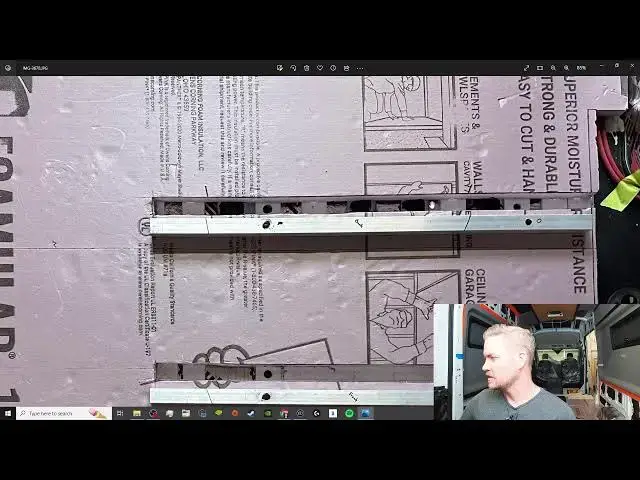
Join me on this livestream as we finalize our electrical runs before sealing up the floor!
Whenever you’re ready, there are 2 ways we can help you:
1. If you need a vetted parts list, download our → FREE DIY Van Build Cheatsheet to help you save time and money on Van Parts and Gear: CLICK HERE: https://van-builder-hq.ck.page/846c83ab54
2. If you want to get Done-For-You Van Build help, book a → FREE Consultation with my Calendly Link: CLICK HERE: https://calendly.com/odysseycustomvans/intro-call?month=2023-07
Show More Show Less View Video Transcript
0:01
[Music]
0:17
thank you [Music]
0:49
thank you [Music]
0:55
foreign [Music]
1:02
back up here everybody's doing well hope you guys are
1:08
enjoying the floor install series um I'm going to slow down just a little
1:14
bit I'll explain why this series will be going step by step
1:19
and we've been on schedule uh more on my schedule of what I want to do for this
1:25
build and what that's done is I think there's a couple things that I need to
1:30
address uh for the DIY somebody that is doing their van build and discuss some
1:37
of the things that I've kind of already worked on but haven't mentioned to you guys as I'm doing this process and one
1:45
big thing is electrical so electrical
1:50
is technically not part of a Florin install however as you can see here
1:56
it's directly it's directly related because we are
2:01
dealing with wires everywhere because there's a couple ways that you can do a
2:07
van build you can run the wires under the floor like I'm doing or you can do floor and
2:13
walls or the ceiling or something like that um Thomas's van we did the ceiling because
2:19
there's an easy way to access that and the amount of wires that we had would
2:24
not run under the floor there's no way we had no room so in this video today we are going to
2:30
talk about wire runs we're going to talk about where you can put it in a Ford Transit front back middle roof walls
2:38
we're going to show you how to do stuff that's complicated like this which is the the uh Dometic RTX 2000 it's not that
2:46
complicated but when you try to go through wall cavities in a van with sheet metal you can get a little hairy
2:52
so we're going to go over that we're also going to go through
2:57
um modifying the foam in the floor before you put the final wood down in case you
3:04
needed to add an additional run which I need to and just some other things like that so
3:10
we're still talking about the floor process because we're going to be working directly on the floor
3:16
uh but that's what we're going to cover in this video if you guys haven't been watching this
3:21
series we're putting a flooring system in a Ford Transit this is a Ford Transit
3:27
High roof it's a 148 not non-extended so
3:32
just the regular 148 and the flooring system that we have in here
3:38
uh we used AVC rig we use their fluorine templates so
3:45
they're paper templates that allow you to cut out your own material save a bit of money on the floor
3:53
for me it wasn't necessarily the budget for the van it was because I was modifying the floor so heavily that I
4:00
did not want to buy a full flooring system and you know
4:06
cut out 30 percent of it I'm gonna go run and grab one of those paper templates just while I'm thinking
4:14
about it that way I can show you guys what I'm talking about but we're installing the floor we're
4:19
doing the insulation anything you need to make sure the floor is nice and even we're talking about the
4:27
um stuff as far as the adhesive what we're using
4:33
things to consider as you do the process and then eventually we're going to get to where we actually install the lawn
4:40
seal flooring so we're doing the coin style flooring
4:45
so if you've ever if you guys have ever seen engineering drawings or blueprints uh that's essentially what this is so
4:52
they use a plotter to print this out which is just essentially a big printer
5:00
I got to be careful because my tape is getting caught I want to reuse
5:05
this but you can see here
5:13
and there's no affiliation I'm just giving you guys some really good information
5:19
you see right here so we got ABC rig we've got this template
5:26
so you can see it's a full piece of paper that is designed to go on the floor
5:34
and you trace out everything it actually has
5:40
uh some Trace outs over here on the left for if you wanted to put uh
5:48
cutouts for seats it's like the forward seating system
5:54
and this is probably really loud so let me just get rid of this
6:01
anyway this is the template kit uh you can see how there's edges that you can
6:06
uh it's mapped out around different parts of the van so you got a front a middle and a rear
6:13
section and maybe we'll put one of these templates over the uh
6:18
piece of wood when we take it out here in just a little bit show you guys a better example
6:25
but anyway what we're going to do today is go through the electrical
6:32
so we've already done the rear of the van we've taken care of our sub panel
6:38
over here in the kitchen galley and what we're going to do today is take
6:44
out this middle floor panel by the diesel heater not diesel heater
6:51
the gasoline will basto and we're going to make a notch through the floor right here
6:57
and then we're going to
7:03
through the floor here and then we're going to come Notch out the back side here of the shower pan and then come
7:09
back over here and then round the quarter and then have it come through our already pre-drilled
7:17
hole where all our wires are coming through we're gonna be adding a couple uh wires
7:23
what we're going to be adding is we're going to be adding we have one outlet that is a waterproof outlet that
7:30
goes outside the van not outside the van but on the outside
7:35
of the kitchen Galley so it's inside the van when you shut the door but it's on the outside that is so that you can you're able to
7:44
um use a induction stove
7:49
turn this light up let's go dark in the back here
7:58
there we go so back here we're going to
8:04
the outlet down there is going to be where the step up in the van is above that we'll
8:10
have like a lagoon table mount and then that'll be the outside so you can use your induction cooktop outside
8:17
and cook um inside we'll have one more on the
8:24
kitchen and that one is a pretty cool so both of them are the pop-up Style
8:31
not the tower kind but these are like 45 degree pop-ups and they're very nice they're very nice
8:37
so we'll I just ordered them the other day so they should be here pretty soon they have two outlets
8:44
they're rated for 15 amps but they also have two USB ports so it was just nice
8:49
and convenient to have that now you will have to have the inverter on for those to operate obviously so if you're okay
8:56
with uh that just being on when you're charging
9:02
your phone for example that's good the other way we have charging this van is
9:09
we have USB Outlets those will be just 12 volts and we'll have one over here by the flip
9:15
and fold seat so passengers can charge their phone while everybody's riding in the van
9:20
we're going to have two additional up top and those two are so if you want to
9:25
store anything inside the upper cabinets but you want to also have the ability to
9:31
charge something so like maybe a foam brick or a laptop or something like that you can stow it up there and also plug
9:39
it in to be charged so it's nice and convenient and then over here we'll have one
9:46
um in case you guys want to uh maybe charge something at night time so you
9:51
know by the bedside so all that wiring has to be
9:57
uh all the paths have to be created so all the engineering has already been done as far as the gauges we're going to
10:03
be using how many outlets we needed to buy the 120 volt breaker from Blue Sea
10:10
Systems that's going to control all that then we have our more
10:17
I guess you would call meaty components so we got our hot water heater and we have a connection for a microwave so
10:26
over here on the right side I haven't talked about this but this kitchen Galley has an opening
10:32
and I'm calling it the flex space so you can pretty much design it to have
10:37
whatever you want in there it's actually sized for a isotherm Cruise 65 drawer fridge so that's the
10:46
profile that's what the hole is designed for um since we have the cruise 130 over
10:52
here which is much bigger we're not using another fridge but I
10:57
mean you could have two fridges in your van if you wanted to but this side over here is a it's more
11:04
going to be leaning towards your storage for your uh
11:09
portable toilet or storage for you know additional pots of pans or just kind of
11:16
anything you want it's just a big opening that is flexible to whatever customer decides to purchase the van
11:25
so that's over here but we need to make sure that if somebody actually wanted to for example put a microwave in it
11:32
that we have a outlet that we can use to wire that
11:38
so that is going to take up so if we go look at our 120 volt breaker
11:45
we have our hot water heater that's going to take up one of those Outlets we'll have our
11:53
microwave which will take up another one I'm calling it the microwave because it's just we have to map out an outlet
12:00
and that's the spot it's going and then the second then we have two more which are our two 15 amp pop-up
12:08
Outlets the one that's for the kitchen Galley and the one that's for the outside
12:13
and uh that's really just convenience anytime that I'm in my van and I go traveling
12:19
and I go hang out with my friends uh you know I'm the one that kind of brings the kitchen the coffee maker the espresso
12:27
machine if you guys have seen my van review so I've got I've got all that stuff and
12:34
uh I always cook outside I do have a countertop inside but you
12:39
know it's fun to cook outside you know you don't have to worry about the fumes or anything like that
12:45
um and it's just it's enjoyable so having that outlet outside
12:50
right where the induction stove is it's gonna be really nice
12:56
so now that we have that all taken care of uh let's go to the next step which is
13:03
um let's talk about our wire that we're going to be using
13:18
I'm gonna move this back just a little bit
13:34
thank you okay
13:42
so the the floor went in really well um if you guys can see I'm actually going to be sitting on
13:48
it as opposed to not saying like it was yesterday
13:54
all right let's pull this down a little bit
14:08
okay we've got three spools of wire here that we're going to be using
14:14
uh they're 100 feet each which doesn't really mean anything you just make sure that we have enough wire we don't run
14:19
out and we have three different sizes so we have our we'll start with the smallest
14:27
gauge first which is our 14 2 wire so this is Marine
14:32
I can't talk tonight been a fun week
14:38
um this Marine wire you guys can see
14:44
it's kind of double coated so you have this outside jacket and these dual inside jackets so it's really resilient
14:51
to getting nicked or tear you know uh having a any type of abrasion to it
14:59
the 14 gauge wire is going to be used for all of our USB outlets and it's a
15:05
little Overkill but um there may be some locations where you
15:11
can take this and then you can actually uh run two USBS off of it we're maxing this
15:19
out at 15 amps and so that would run
15:26
there's about it's about five amps to charge a MacBook
15:32
so we need if we have for example if one of these lines runs two
15:39
USB Outlets the fast charge ones that's 10 amps with a 15 amp fuse that's kind
15:46
of what you want to do so no more than two of those fast charging per
15:52
run so we'll probably run one to the left side of the van
15:57
so we have our uh our two USB ports and then we'll run one to the other side of
16:03
the van for our other two so that's how this is going to be run and we'll be running this tonight
16:10
through that uh wire trough or whatever you want to call it
16:17
cut out in the floor we need a path for it so that's one of the wires that's
16:22
going to go in that path next we have our next wire that's going
16:27
in there it's a 12 2. so our 12 to wire which is 12 gauge
16:34
same design same style Marine wire it's going to be supplying the voltage
16:40
to the fridge so we need to make sure that the fridge is getting enough juice and
16:45
um I think we uh the the circuit needs 15 amps
16:52
and we're going to fuse it at it's supposed to be fused at 15 amps so
16:58
the fridge doesn't really use that much maybe like 10 to 12 but we're oversizing it to 12 gauge because of just what I
17:05
ran into with Thomas's van I don't want any nuisance uh
17:12
faults with the fridge even though we use the appropriate wiring for the manual the length was too
17:19
long so one way that you can help yourself is if you're unsure
17:24
if your wire is too long you can just uh
17:30
go up a size in The Wire now you should be doing the math you should measure how
17:35
long your wire is going in your van so that you're taking care of any voltage drops that are happening between
17:41
the source and wherever the device is picking up the current
17:48
but if you're worried that you're going to have too much of a voltage drop
17:53
going up in the wire size is going to help that and we already talked about
17:58
that but if you guys didn't see that I'm going to talk about for about two seconds let me just put up here on the computer
18:08
so we talked about this in the last stream maybe two streams ago
18:14
but if you go to Blue C systems.com and you just or you just you can just
18:19
Google this uh circuit diagram
18:26
I see what was my okay my query was Blue C systems wire size so I did that
18:34
in Google this chart came up and I clicked on this chart so this chart is going to give you everything you need to know about
18:40
picking the appropriate wire size also for the distance so for example
18:48
if you have a 20 amp circuit
18:53
and it's non-critical which means it can withstand the device can withstand a 10
18:59
voltage drop or fluctuation zero to so 20 feet would
19:04
be your max for a 20 amp um circuit using 14 gauge wire if you
19:11
needed to use more like 12 gauge for example
19:16
I'm sorry if you need to go further so if you need to go from 20 feet to 30 feet let me zoom in
19:25
so if you needed to go from 20 feet to 30 feet
19:30
notice how you need to go from a 14 gauge to a 12 gauge
19:36
so this is what you need to use so this is part of the DIY where you
19:43
need to do your homework and these are the charts that I use this is what you should use so that you do it right
19:50
um it's not going to hurt anything going up in wire size it's only going to hurt your budget
19:59
because the uh the heavier gauge is just cost more
20:05
but that's usually where people mess up is they try to save money with the electrical and um
20:14
the last place I would ever try to save money is in the wiring I might have like a cheaper component or
20:21
something like that but just just do not do it do not skimp out on wiring
20:26
um this y see this 12-2 wire that I bought
20:31
it was expensive it's you know probably a hundred and fifty hundred to 170 dollars for a
20:37
hundred feet but this is the correct application the
20:43
correct tool for the job and we're going to be safe okay that's for the fridge so we got USB
20:49
ports we got the fridge next is the big one which is twelve
20:56
three and twelve three the three designates three wires so this
21:02
is where we're going to have our three wires for our 120 volt power
21:11
so this thicker uh so this wire is carrying the 120 volts so it's not 12 volts we're not using
21:18
this for 12 volts this is what's going to connect to our Blue C systems breaker and this is what is going to power our
21:27
two outlets uh it's also going to power
21:32
the microwave outlet and it's going to power the
21:38
hot water Outlet now one thing I do for the microwave and
21:44
the hot water is I actually wire in
21:49
where is my example I wire in a
21:55
it's essentially an extension cord for that outlet
22:02
so where can I find this
22:11
okay this is not the example I want to use but it's pretty close
22:20
so you can buy these pre uh they're not pre-wired they're unwired
22:27
is that a thing uh forget this end I'm just going to show you an example so you can get these cables that already
22:34
have these ends exposed like that and so for example this one is
22:44
a gauge so this is a 14 gauge wire so this 14 gauge wire this is
22:51
essentially an extension cord but the reason I like using these is because this stuff is tough as Nails
23:00
this outer jacket is very tough it's an essentially extension cord
23:06
but it's extremely tough the inside are also jacketed and it's
23:12
stranded wire this is 14 gauge
23:19
so we're going to go there over here I'm going to type in 14 gauge 120 volt Max Amps
23:33
we'll go over here and so a 14 gauge cable is rated for 15 amps
23:45
so if we go back up here so we can use that for 15 amp circuits
23:51
which are only going to take out 15 amps which is the hot water heater and the microwave for example
23:57
but the cool thing is check this out the 12 gauge
24:03
can do 20 amps uh
24:10
so what I like about that is the 12 gauge is what I'm going to use for
24:18
the outlets so just for example if there's two things plugged in the outlets
24:26
you know safety wise um it's still going to be still going to be
24:33
the breaker is still going to be 15 amps but the wire going to it can handle 20 amps
24:53
all right let's keep going here go back
24:59
okay so we have all our stuff here so what we're going to do is we're going to take the middle floor out and we're
25:04
going to go ahead and cut out our paths so that we can run what we need to with
25:10
the three wire we're going to run or give our space for the two wire
25:17
12 and the two wire 14 gauge and so we will re-zoom the camera back
25:24
in and take care of that
25:44
so what got me thinking about doing this little change up in the flooring video is I was messing with the Dometic cable
25:53
and I was noticing that you know this cable was not going to go
25:59
in the location that I wanted it to go in and there's a couple other cables I
26:04
wanted to uh change up as well so I said you know what
26:09
if I'm having to do this you guys may be doing it as well and I don't want I didn't want it to be something I skipped
26:15
over all right we're going to come in to the van
26:33
all right there we go should be pretty good
26:44
the good news is the uh what we did yesterday worked out really well this floor is perfectly level in the back
26:52
and we were trying to that's something we were trying to achieve yesterday when we were gluing everything
26:59
down
27:05
and before I take this panel out I need to trace by this heater over here because I need
27:12
to cut out while we're cutting out foam we need to cut out the excess that
27:17
was needed to be removed yesterday from the gas heater
27:30
so one thing I'm going to do really quick I made a couple notes on this piece of
27:35
wood and stuff that I need to additionally cut out so I'm going to take a piece of green tape I marked over
27:41
here where I want to cut out a little bit of room for this Truss
27:47
from uh Adventure wagon over here on this left side as well I have the wood is too
27:54
close because it shifted about an eighth of an inch to the right and what else did I want to check on
28:02
so that's pretty good so you can use tape to Mark and keep track of things so you don't forget them
28:08
because sometimes when you're working in a van you'll have a moment of distraction you'll work on something else and you'll
28:14
forget something that may be critical to where if you glue the floor down it's gonna be really hard to get back to
28:20
it which is exactly my case all right so over here
28:27
are here is just temporarily put in here so let's go ahead and just
28:32
take it out and just sit it over here
28:54
and we're just going to trace out this foam
29:03
and we're going to make sure we cut that out before we put the floor back in
29:10
and then I'm also going to make a Mark here as this is our new
29:20
our new lining up our new uh alignment points for the back
29:36
and also when we take this up we'll be able to see our work from yesterday to see how that aluminum glued down
29:49
foreign
30:34
this piece of aluminum looks really good that's what we worked on yesterday so it's perfect it's in place it's not
30:41
going anywhere back here remember we are not finished with these
30:47
these right here need to be uh
30:52
they need to be taken out and glued but we won't do that until we are completely
30:57
sure we've got Oliver wiring uh where we need it to be I'm just going to take my marker and we
31:04
always want to make alignment marks so that when you take something out
31:10
you're not losing where it was referenced to
31:20
and when you do those marks this I'm just making this stuff up but you kind of want to do it at an angle so nobody
31:26
told me that but the angle makes sure that you're not
31:31
you know putting it in the wrong way so we'll just do two here
31:39
and then two here
31:47
okay and that way when we put these back in we can we'll know if they're misaligned
31:54
or not and then we'll label this one front
32:01
and this one back
32:07
and then we'll do this one as driver this one is passenger
32:15
well this is your driver
32:21
okay let's take these out because we remember we couldn't metal we
32:27
need to do Rust preventative uh
32:39
we have our Square here and this is going to help us find where we want to cut our
32:49
our Channel so that we can intersect over here
33:03
so what I'm doing is there's going to be a new path from the back of this heater area it's
33:09
going to come right through here it's going to come straight over this section behind the shower be will
33:16
be cut out and then it's going to come straight over here and then go straight down here
33:21
to access our our hole right here
33:30
foreign
33:40
if you're thinking well Nick that would have been a lot easier if you did that earlier
33:46
that's right but it's kind of a one-off floor
33:51
um in the future I want to standardize a little bit more but this was kind of an
33:57
experiment with doing all these different components and the supports for the pull out tray and I really like
34:04
it but next time what I'd probably do is just uh I would do the
34:11
ABC rig floor so I can just glue it in quickly and then I'd go back and
34:18
uh possibly cut out where I needed to
34:24
um since I kind of already know the method that I would use
34:31
but at the same time I kind of like this because I can be really detailed with my wire stuff it just takes a little bit
34:36
longer okay let's go ahead and get some tools
34:42
to cut and we're going to use a piece of
34:47
aluminum as our reference because we just we're just going to make this slot one inch wide
34:58
so I'm going to finish tracing it out and then I'll keep on going
35:04
and also if you guys have any questions you guys know the drill you can ask anything in the chat
35:45
so I'll make sure I cut on the outside of that
35:55
foreign
36:35
worried that you've messed up and you can't change something
36:43
because you you can you can just change it
36:52
it's just foaming wood at the end of the day and glue that's all it is it's nothing
36:57
nothing crazy
37:22
foreign
38:15
multi-tool and it's Extremely Loud the Mozzy tool is the that's the cheat sheet
38:21
we're not going to be using
38:27
we won't be using the razor on this one I'm gonna knock this out pretty quick so we can keep on going
38:37
so once again if you guys have any questions let me know let me get my knee pad
39:04
okay we're gonna be muted for just a minute
39:10
and we're going to cut this out and then I'll show you what it looks like
39:17
one thing to note over here I do have cables that are running through here so I need to
39:26
need to do some type of visual Q to let me know not to
39:32
cut through go through the cables so I'm going to put a piece of tape right here
39:38
and I'm going to write stop
39:44
I'm not joking guys don't be proud when you're doing you know work because
39:51
uh you'll have to redo it if you if you're like that
39:58
all right let's uh we're gonna go we're gonna be muted here just for a second
40:03
so give it we'll be right back
43:56
okay we're back we're gonna finish this spot over here in a second I'm just gonna get my Razor I'm going to start cutting out this foam
44:06
razor and the Chisel that we used last time
44:28
so what this is doing is if we did somehow in the future
44:34
or the customer in the future did want to come in and rewire something
44:40
the fridge and the kitchen Galley are bolted into the walls so technically you can
44:46
remove them remove the shower pan and then you'll have access to this wire here and then
44:53
you can open the box and gain access to the wiring going to uh
44:59
the uh breaker and then right here I'm going to create a curve so
45:05
technically you could fish a another wire in there in here up through the
45:10
kitchen galley so this does give a little bit of maintenance ability
45:18
if you're doing your van DIY you definitely want to have access the way I'm doing it
45:25
you have access I say technically because there's a little bit of work to get to
45:32
the wires it's not super easy the one thing you definitely want to
45:37
have access to are your Breakers fuses that is essential
46:01
man this adhesive is so good
46:06
you guys can see this is like this is the fun part it's almost like testing the product
46:11
this is how hard it would be to remove the floor
46:21
if you had to all right
46:34
we're also going to do is we're going to take some wire loom
46:40
and we're going to wrap all the wires in that Loom that way
46:47
we don't have to worry about it interacting with the shower pan or the
46:53
trough or anything like that it's nice and protected it gets any vibration or movement
47:07
and if you guys are watching and let's just say maybe you're renovating an RV or something like that
47:13
pretty much the same steps that I'm taking here can be translated into
47:18
you know renovation so say you're needed to add something to an existing
47:23
system you would probably be going through these steps anyway to run a new wire
47:30
uh somewhere that it just wasn't possible before
48:09
foreign
48:39
for the future guys I will work on some better camera angles I know this is not
48:44
the best for teaching but this is kind of what we got right now
48:58
in a couple weeks I'm looking into streaming 4K
49:04
I figured out how to do it and uh the business internet that I have right now can support it
49:11
so just a matter of getting the right Hardware
49:28
foreign
49:34
1080p 60 frames right now
50:37
foreign
50:47
foreign
52:03
foreign
52:24
peel Marine is it's so good it's excellent it's great
52:30
adhesion all right so that's all finished now we're just going to chip away this section over here
52:35
we're going to clean this up and then we're going to come back we'll do our
52:40
rust preventative for our three sections here and then we'll get to uh measuring some
52:46
wire out
52:53
and just be very careful if you guys are using a chisel like I am
53:11
foreign I'm interested to see what the comments will be later on this method
53:26
but
54:20
foreign
54:28
foreign
54:55
there may be some questions asked you know why don't I just do it through the walls
55:01
the issue is when you do the bump outs for the adventure wagon
55:06
there really is no room left over to run the wires to the walls because after you
55:12
rivet all the rails in place you cover up a lot of the X access to
55:18
any of the traditional places that you would run a wire
55:24
so plus it's it's I think it's a waste to
55:30
we are going to be running wires through the ceiling for those USB Outlets but
55:35
this 120 volt lines for over 120 volt accessories that it is
55:41
the cables are just too thick to uh because we have to run four of
55:46
them
55:59
so 12 volt steps fine because we'll probably run the 12 volt stuff over the ceiling and into the cabinets
56:08
but we still need this uh we still need this right here
56:19
because I like everything's so low profile like really up against the wall as tight as can be the battery compartment very
56:27
nice and tight to create a lot of openness in the van
56:32
because I notice when I see a lot of Vans they even though they have a good design they
56:38
seem very uh closed off in the back so these these side compartments are
56:44
really high now that's okay if you're using that to be part of your bed system that makes sense
56:52
so my goal with this build is to uh
56:57
it's really the utility of this van so the ability to you know take the take the bed system
57:04
out if you need to call Furniture you know put a motorcycle on here if you
57:09
wanted to mountain bikes just a lot of a lot of cargo area
57:15
so you don't take away from the uh the cargo
57:21
part of the van all right it's the place where I had to
57:27
be extremely careful so see how I do
57:56
I'm just scoring the top so just the top
58:07
foreign
58:48
I've got access to our power wires now so I can now see
58:55
where I'm cutting
59:02
all right put you guys on mute because I'm good to cut this back side right here
1:00:49
okay
1:00:59
[Music]
1:02:09
okay perfect we made it to our side over here so now we can just move
1:02:15
our power wire out of the way we're going to clean up these edges on
1:02:20
the foam
1:03:18
all right so we're going to go ahead and clean this up we'll vacuum this out
1:03:25
do a rust preventative and then we will be done with this so we just basically made
1:03:31
a path from here across the back of our shower pan over and up through here for our wire runs
1:03:47
so while I'm vacuuming it out I'm going to mute it here for a second
1:06:24
okay guys we're back we are getting our gloves on so we can get our rust
1:06:30
preventative
1:06:36
it's extensionally it's a essentially the
1:06:41
Krylon Fusion
1:06:52
he could use any uh paints you wanted for it but I like I
1:06:57
think this stuff works really well I've used it a bunch
1:07:11
now he's got to find the can that I was using
1:07:41
foreign
1:08:42
foreign
1:09:17
[Applause]
1:09:29
[Music]
1:10:00
foreign just for rest preventative is uh just
1:10:07
put it in a plastic cup be careful what cup you put it in some of the plastic cups will melt
1:10:13
so be careful on that one
1:10:23
yeah we're just going to go front to back here and get all the spots that we
1:10:30
cut up with the razor I'm gonna get them nice and uh taking care of
1:10:44
the cool thing is this stuff dries extremely fast
1:10:54
if you're inside it dries fast when you're inside
1:11:41
foreign
1:12:23
and then I'll uh we'll look at it on the computer
1:12:34
make sure we didn't get any more gouges around here
1:12:44
okay that looks good now let's check out this section
1:12:53
that one's good right here
1:13:40
well that was uh really fast so it's gonna take a little longer than that
1:13:58
all right let's go ahead and put our paint up keep going
1:14:49
okay guys I'm gonna go and put some stuff away real quick I'll be right back
1:21:19
I am muted thank you
1:21:27
okay where was I unmute where was I not muted at
1:21:34
all right let me back up so what we're talking about here is we are talking about the floor layout and where where
1:21:40
the wires are running so we have wires running over here we've
1:21:46
cut out these two notches for our pull out tray and this last one that we cut out this
1:21:54
is going to give us access to our four 120 volt wires that are going to come up
1:21:59
through the floor here for our kitchen galley now two things that we can do we can
1:22:04
either uh and this is what I want to get your
1:22:10
guys opinion on we can do the built-in induction stove and that
1:22:15
saves us a drawer so that you can put like pots and pans in it and then you have a silverware drawer
1:22:21
and a pots and pans drawer and you still have the flex space open for like your toilet or some other storage or
1:22:28
you lose that bottom drawer that becomes where you put your induction stove we
1:22:33
don't mount it uh and that outlet kind of gets freed up
1:22:40
so what I'm going to do right now is I'm not permanently mounting the induction stove
1:22:46
so you can take it inside or outside and keep it in the drawer when you're not using it but we're going to have a wire there
1:22:53
for multiple uses that's the one that can be for the microwave the permanent induction so that's that one wire that's
1:23:00
the 14 gauge then the second 14 gauge is going to come through here down and I'm going to
1:23:09
feed it um up under the floor onto this side and
1:23:15
that is going to be used for the hot water heater
1:23:21
so that's going to provide Power for that the reason we want the plug-in style is because if you have an
1:23:28
induction stove you're going to have a residential plug on the end of it if you have a microwave you're going to have a residential plug on the end of it if you
1:23:34
have the hot water heater it's going to have a residential plug on the end of it and it's just convenient so in the
1:23:40
future if something happens you need to replace it um
1:23:45
it just plugs right in but you're also not cutting out a hole building an electrical box getting an electrical
1:23:52
receptacle face plate all that stuff it's just a simple plug-in at the end of
1:23:57
the day it does not have to be that complicated
1:24:03
so if we look at this what we've done is all this black paint here this is
1:24:10
what we did rough spring preventative because now the metal that was covered
1:24:16
in a in our adhesive is now exposed so since it's exposed we need to paint over
1:24:23
it it's extremely unlikely that this would ever rust but guess what it's just a little bit of paint gives
1:24:30
you a good peace of mind and you never have to worry about again once you do it so we painted that
1:24:36
this section was just only the lattice as you can see
1:24:42
so that's the only thing supporting that but then this back side we did do a
1:24:48
couple pieces there these pieces don't really they're not a structural have to be
1:24:55
glued in we'll put glue on them just so they don't squeak
1:25:00
because any time that you have this metal and this foam
1:25:05
it has a potential to squeak so on this back side and the other side you want to make sure you coat it in just a little
1:25:10
bit of that Marine adhesive so that when it dries it doesn't squeak
1:25:19
um oh this is cool you can actually see what we did worked on yesterday so this is a piece of the aluminum that
1:25:26
we notched out for the floor so we have one here and then we have another one
1:25:31
here and we're gonna shemales we're going to countersink a hole sheet metal screw with a pan head
1:25:40
um let's see uh let's see if I can find that part because I actually need to buy
1:25:45
it so pan head
1:25:53
screws lows
1:26:00
okay these it's called Uh I don't know this is what it looks like
1:26:06
and see how it has a flat head
1:26:12
so it's flat where's the 360 View
1:26:19
there you go yeah so it's flat so basically you countersink this bottom part
1:26:24
and then it's flat when you screw it in and these are one inch which is perfect
1:26:31
um
1:26:38
I don't maybe you need an inch and let's see
1:26:44
I'll measure with the calipers one thing you want to be careful of when you get sheet metal screws is on a sheet metal
1:26:50
screw you have this end and this end is what you know Taps into the metal to begin the third to the hole
1:26:58
essentially like a little mini drill bit but this back part here even though this is an inch long it
1:27:05
doesn't engage until after this quarter inch tip so technically
1:27:12
we only have quarter inch of threads that are going to be grabbing the aluminum which might be okay so
1:27:18
we'll do a test because remember when this goes into the wood it's going
1:27:23
to have a half inch for the wood and then whatever threads are left or what's going to go in the aluminum so you may
1:27:29
need to get a longer screw or we we may need to get a longer screw
1:27:34
so we got to think about that um
1:27:40
let's see what else here is there anything else I wanted to show you
1:27:53
okay I'm going to uh let this paint dry
1:27:58
we're gonna take a quick break it's eight o'clock Eastern Standard Time
1:28:04
um we'll be back in an hour for the nine
1:28:09
o'clock stream so just take a little break
1:28:16
I need a middle Break um and what I'm going to do in that meantime is
1:28:23
I'm gonna grab something to eat and then I'm going to actually get my paint stuff
1:28:28
out to prep because even though we do the stream at nine going over the we're going to go
1:28:33
over the wire links I I need to uh after that stream late
1:28:38
tonight I need to paint these pieces of wood so I need to do that I need to do that off camera so that tomorrow we have a
1:28:45
shot at actually putting in the lawn sill floor even if it's in the afternoon
1:28:52
um to keep on going so stick with us come back when we have
1:28:58
this next live stream later tonight bring your questions I'm looking forward to chat with everybody tonight
1:29:06
in just a little bit and we'll continue so make sure you guys are subscribed
1:29:11
click that like button if you liked this video in this information get your questions ready because we're going to
1:29:17
do a nine o'clock live stream which will we we will continue with this project behind us and we'll see you then
1:29:26
[Music]
1:29:34
thank you
#Trucks, Vans & SUVs
#Home Improvement
#Flooring