Up next in 10



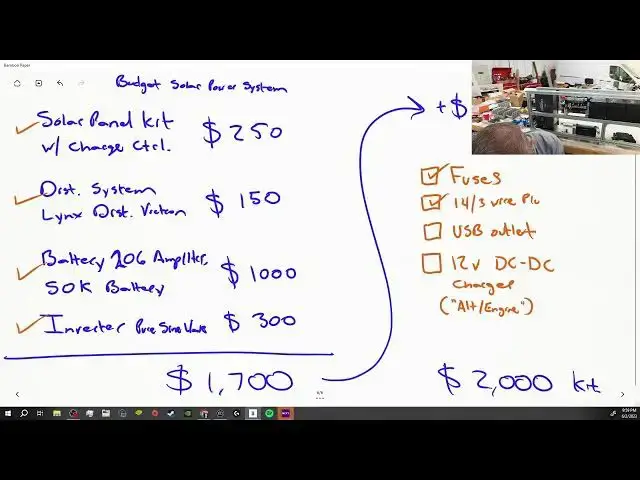
Designing a SIMPLE solar powered off -grid power system with Shore Power & Alternator Charging Capabilities!
Whenever you’re ready, there are 2 ways we can help you:
1. If you need a vetted parts list, download our → FREE DIY Van Build Cheatsheet to help you save time and money on Van Parts and Gear.
CLICK HERE: https://van-builder-hq.ck.page/846c83ab54
2. If you want to get Done-For-You Van Build help, book a → FREE Consultation with my Calendly Link.
CLICK HERE: https://www.odysseycustomvans.com/
Odyssey Custom Vans: https://www.odysseycustomvans.com/
Show More Show Less View Video Transcript
0:00
[Music]
0:14
thank you [Music]
0:47
thank you [Music]
1:22
hey guys welcome to the live stream tonight uh I was looking through the comments
1:27
and yesterday uh conversation kind of got started with one of the viewers and
1:33
I thought this was just a great opportunity to um kind of continue what we were talking about with uh these off-grid Power
1:40
Systems uh they're called off-grid because you're not plugged into the grid yes
1:46
they do plug into Shore power when you have that option um but really
1:53
off-grid is kind of what you're going for you're wanting to for those looking for an off-grid system you're wanting to
2:00
go somewhere you know out and uh you know Bureau of Land Management areas
2:06
and go where you're not going to be able to plug in you want to rely on a you
2:11
know a big battery Bank capacity and then as much solar as possible and then
2:18
you know to and from those locations charging off your alternator so we're going to talk cover all those topics but
2:24
we're specifically going to cover this conversation I had with Jason
2:31
uh so Jason um was talking about that he needed to do
2:37
this to his RV in the next two days so I kind of jumped on the opportunity to teach this Jason hopefully you are
2:43
coming into this live stream this afternoon I'll be doing this for a while I'm essentially doing this live stream
2:49
to kind of gather my thoughts and put this together during the live stream and then what I'll do is I'll kind of neaten it up and
2:56
then we'll put it together in an article um but he says uh the RV he had did not
3:05
come with an inverter just a generator so what that means is he has to Crank It Up have it run in order to get power
3:12
with this system and then it looks like there's some supplemental batteries which is probably just the coach
3:17
batteries I believe this isn't Class C but it these Power Systems really are the same
3:24
all across the board this you know a battery is a battery is a battery it's a generator but we're going to get down to
3:31
very simplistic terms here and I'll show you why for example there's two letter lead acid
3:38
batteries that he's using he doesn't want to be running as generator
3:44
just to do simple stuff like charge phones we're in the microwave a few times that makes complete sense
3:51
and so I told him I said hey Jason thanks for your question you can simply use a 2000 watt pure sine wave inverter
3:56
connect your two lead acid batteries to it run your microwave charge your cell phone
4:01
and the only reason I talked about the 2000 watt inverter is because you know uh
4:08
let's go to renergy I talk about renji a lot I'm not
4:13
sponsored by renergy but if rinergy is listening um I'd love to uh you know offer something
4:19
to our to our viewers as much as I talk about it because I I go there by default
4:25
because um they they really understand Simplicity
4:32
as far as communicating with the customer uh and when you click on something for
4:39
example let's just go to uh inverters for example
4:46
you go to inverters you select the one you want so let's do this 2000 Watt
4:55
and then when you scroll down this menu comes up on specifications
5:01
and you can quickly see everything all the specs and then down here they do quick answers
5:08
to your questions so um
5:15
let me see what I was wanting to show you
5:20
and they give you this chart right here so you can find out you know what size
5:25
inverter you want to buy and then how many batteries in a what
5:31
capacity do you need in order for this to work properly and it's very quick straight to the point
5:37
I like how their websites formulated there's other ones that are close but to me this one is just
5:43
as straightforward as can be um I guess I'm partial to it just a little
5:49
bit because it helped me when I didn't know anything when I was getting started
5:56
so let's get back to the question here okay there we go
6:05
so there's that inverter so for example this inverter is how much is this
6:14
279 dollars it's a pure sine wave inverter it has three household plugs
6:20
okay couldn't get any budget friendly or simple more simple
6:25
than that so we're going to start for that and we're going to kind of work our way into
6:31
this power system uh so for example I told him about the 2000 watt inverter
6:38
and then gave him the link and the link I gave him is on the van
6:44
build the DIY van build cheat sheet that I've put together and this cheat sheet
6:50
is essentially an Excel sheet of all the items that I've purchased personally through Amazon over the last three years
6:55
the link to Amazon is right here um this links Amazon it helps support
7:00
the channel so we really appreciate you guys using this but really this is going
7:06
this is really out there to help you um I use this just for myself in the
7:11
shop because if I need to reference something that I've already bought it's already on this list that I made so this
7:17
list is completely free for you guys all you have to do is just go to the link in the description
7:22
click on it put your name and email address is going to come straight to your inbox it's completely free and it's
7:29
essentially an Excel sheet organized of all the items that I buy through Amazon
7:34
to build Vans professionally it even includes what I think is the most important which is tools so you're
7:41
going to need tools to crimp mc4 connectors for solar panels you're going to need tools for cripping wires for
7:48
heat shrink for hydraulic crimping of you know two watt four hot battery
7:54
terminal lugs and if I could go back in time I would just buy everything on this list and
8:00
that's because I've used all of it I use the revnet tool to put in the adventure wagon kit
8:06
anyway you got to see the point it's nice easy organized uh there's over 250 items
8:13
in here and it's there to help you out all you have to do is go to Van build uh
8:19
you can go to vampirehq.com or you can click on the link in the description put your name and email address it'll be
8:25
sent directly to your inbox it's completely free so I gave this so whenever you see these
8:31
Amazon links that I paste in here that's why they look the way they do
8:36
down here we have uh Jason's a question they are replied that he sent today
8:42
and so this one um he says you know thanks for the shout out uh we actually have a class C it has
8:48
a feel-on distro box on board um
8:53
uh says it's a bargain model so there's no fancy transfer switch or inverter so I'm
9:00
guessing when he plugs it uh it's just he turns it on the generator starts and
9:05
then it provides power um pretty standard uh he said the short
9:10
power plug basically plugged into the generator 30 amp outlet
9:16
uh okay gotcha so this is the topic of today's live
9:21
stream yeah and this is the answer that I'll be uh addressing so he says I want to build
9:27
something really fancy bit by bit solar lithium batteries that works but baby steps are in order because our budget
9:34
isn't there looking forward to seeing your DIY methods and try to translate them into Renovations for the class C
9:41
so we're looking for budget and sometimes when you hear budget you think
9:47
uh you know cheaply made products but it
9:53
doesn't have to be cheaply made products with technology the industry you know
10:00
distribution all that stuff when you put it all together um you know it's 2023 over time things
10:08
that were very expensive get uh
10:13
cheaper as they go along um you know you kind of have the economies of scale playing into that so
10:20
when you handle that together going towards budget is not really getting bad things and especially if you
10:27
get them from a company that has a support
10:33
um backing you uh you know you're pretty you're much in
10:38
good hands and to be really honest with you guys at the end of the day it's 280 bucks
10:45
and if something happened to this if you accidentally ran it over you could get another one
10:52
not hating on victron but you know if you bought a three thousand dollar inverter and something happened then I
11:00
can see where you know you could get you can get worried but
11:05
what I like about energy stuff is you can buy it you can try it you can see if it's something that you want to get into
11:12
um and it's really not going to break the bank so let's
11:18
let's see what Peter's got real quick do you recommend 2 000 or 3000 Watts I'm planning on using it to charge my
11:25
computer and other small stuff I was thinking about 3000 watts in case I need to add something that requires more
11:31
power later so yes if you can go to 3000 Watts I always by default say to go there
11:37
because it's not about running one individual device at a time it's the
11:44
moments where you want to you know run a hot water heater and you
11:50
know make some popcorn in the microwave those are the times where the convenience of the higher wattage is
11:55
going to get you more of a like a livability perk
12:01
so always go for the higher bit it's not too aggressive with the battery
12:07
Bank size so again if we hop on over to renergy
12:12
if you go here they have a little chart so remember I
12:18
mentioned this chart so for example if you have a 700 watt inverter
12:23
one 100 amp hour battery would suffice a thousand watt you have one 2000 watt you
12:30
need two 3000 watt you need three so it's kind of the rule of thumb
12:36
so you need a minimum of three thousand uh or 300 amp hours to
12:43
serve a 3000 watt inverter and the the detail behind that and we're
12:52
going to keep the details and Technical talk very brief because this is meant to be a simple kind of just get into this
12:59
whole solar power system stuff but the more watts you increase the more
13:06
current you're demanding of from the battery
13:11
uh so you know
13:18
will a 3000 watt inverter run on two 200 amp hour batteries
13:25
it's possible it it might work but the the problem you're going to run into is
13:31
uh depending on your Dem your load it may trip out the inverter
13:38
um and it may cause complications so if you just stick with the kind of
13:44
2000 watt inverter to 200 to 100 amp hour batteries 3000 watt inverter three
13:51
100 amp hour batteries if you stick to that you're going to be fine you're not going to have any of those uh
13:57
little quarks down the road because some of the stuff if you've
14:03
never done it before it can be intimidating you know you're thinking of power uh you're converting 12 volt power
14:09
to household power so you know you want to make sure you're doing it safely
14:16
but quick answer Peter 3000 Watts if you have the battery Bank size to do it
14:21
that's what I would do
14:28
what kicks you kicking right now I don't know um
14:33
all right so let's get into what components we're going to be talking
14:39
about in the Stream
14:45
so I'm going to go over to the drawing pad and this is what we talked about yesterday
14:52
or the last live stream we just talked about kind of how Shore power plugs into the inverter how the
14:59
charger part of the inverter slash charger works as far as charging the
15:05
batteries how the battery runs the inverter and then how the inverter
15:10
provides AC power to your van
15:16
so what I want to go through today is break this down into
15:23
simple solar first so we're going to do we're going to
15:30
start with solar power
15:37
so how we're getting the solar power into the van
15:43
we need to uh we need a charge controller
15:57
I need a charge controller so that it can convert the high voltage into a usable
16:03
voltage to charge the batteries then we need the batteries themselves
16:16
okay so again
16:21
keeping things very simple so solar power
16:26
how do you get power from the Sun all right got the Sun
16:35
so you need a solar panel so this is our solar panel
16:51
okay so we have our solar panel that's the first thing and then the solar panel is going to
16:57
have two wires come out of it we've got our negative wire
17:02
and then we have our positive wire okay
17:08
and these little arrows are going to show us which way the power the electricity
17:15
I'm just going to say power is Flowing so we're flowing this
17:21
direction
17:27
and so we're going to do uh
17:33
a very simple system and we're just going to copy the one in my original van that I have which is uh
17:42
finna did a couple years ago it's my low roof 150 Transit 150.
17:48
and we're going to do 200 Watts of solar
17:55
and then next what we do is we have that coming into
18:00
okay we're going to add the fuses later but now we're just we're just showing you the concept of how
18:07
Power is coming into the van and so let's uh get our sun
18:16
there we go
18:22
okay that's our sun okay so the next thing we have is a
18:28
charge controller so this charge controller is essentially a box
18:36
and what it does is it takes the higher voltage that's coming out of the
18:43
solar panel so if we go to renergy
18:49
and let's look at solar panels
18:55
so if we click on a solar panel and we go to specifications
19:03
you can see that we have this uh open circuit voltage
19:09
this number right here so let's just put this number right here
19:17
and this is just for example purposes we're not going to do any math we're just going to do very
19:25
basic components and then show how to size it later
19:32
but this is just an example so this number can change but essentially
19:39
I'm just showing you guys that this box is changing
19:44
this first number here and it's spitting out
19:51
a new number so let's say 14.6 volts
20:00
um
20:18
okay so we're taking in so we're going to take these wires we're
20:24
going to come into the box
20:36
right this is our flow of power
20:43
if you guys have a question you want to stop me feel free to stop ask me a question
20:50
but basically we're taking the solar panel we're taking the higher voltage and we're moving it
20:57
or we're changing it to a voltage uh
21:02
and a charge profile that the battery that we're charging can
21:08
work with so this comes into the box
21:15
and then what happens is we come out of the box so let's come down here
21:42
so we come out of the box and what's important here is that
21:49
we have a we select
21:54
a charge
22:10
profile
22:18
so we've got to go into the box read the owner's manual and we got we have to uh
22:26
change that to a charge profile okay so what is
22:37
so what do you think that's going to be well it's going to be lithium
22:45
now you could have a lead acid battery
22:53
you could have an AGM
23:04
so you could have you could have each one you have you could have one of each all right
23:13
so depending on what battery you have you'll set
23:18
there'll be a little you know a little uh
23:24
little button or light here and you'll cycle through the the system so for
23:30
example this right here
23:36
this is oh sorry guys I was not in the drawing
23:43
it's okay well I'll come back to it um so this right here is a charge controller and if you look
23:50
it's hard to see but there's a little button right there
23:55
see that so when I click that button there's a light on the battery
24:01
so when this is powered up this light will blink or Flash according to the manual
24:07
and if you see here on the side we have our charge profiles
24:13
so you see that so for example blue is our um
24:20
I can't talk lithium iron phosphate and we got 14.4 volts
24:28
all right so since it's 14.4 I'm gonna go here and
24:34
erase this
24:39
foreign
24:45
we're going to change it to 14.4
24:56
all right so we have 14.4
25:02
so now that we've selected lithium we're not we're not going to be using
25:09
you can use lead acid and you can use AGM okay but for right now we're not
25:14
going to use this one and we're not going to use the ADM so the next step is to follow our
25:21
batteries over and again I will show you where fuses go in a minute but we're going to follow this over
25:32
to our batteries
25:50
okay then over here we have battery
26:04
okay and we're gonna have two 100
26:11
amp hour batteries
26:30
and then this is where our negative connects
26:38
and then we got our positive
27:08
okay so this is what we got we got the sun
27:16
coming in the solar panel absorbs the power it goes into our charge controller
27:22
so the charge controller can be uh two things it can either be
27:28
uh it could be a pwm [Music]
27:41
or an m p p t
27:53
and so what this box does we're taking that we're changing the voltage to a charge voltage and profile
28:00
that we've selected which is we have selected we've selected lithium
28:08
and that lithium is what our batteries are over here so those are both lithium
28:14
batteries so now we've got the whole thing
28:20
so this thing can charge with the batteries so guess what
28:25
what's next we want to be able to use the power
28:31
so we're going to pop in one
28:36
we're going to move this battery thing over here
28:49
it's these were batteries
28:57
okay and then we're going to uh
29:09
so we need some type of distribution panel
29:14
and the distribution panel is going to be what the devices in our system
29:21
connect to
29:46
so typically this distribution panel has fuses in it
30:04
okay so these are our fuses
30:19
if I can do this a better way
30:37
so these are our fuses so what I'm using for my distribution
30:42
panel is this behind me well not that
30:48
is the lynx distributor so with the lynx distributor is doing is it's taking the batteries
30:55
the batteries are coming into the positive and negative
31:06
and we're gonna we're gonna open this up foreign
31:22
we're going to take this off
31:29
see
31:38
a little bit more again
31:58
kind of zoom in as much as I can okay so right here we have these are
32:03
these little covers so they're just for shipping and stuff like that
32:11
or if you're not going to use these terminals but what we're going to have here is we're going to have the positive battery cable come in and then we're going to
32:17
have the negative battery cable come in here okay so I'll put those caps back on
32:27
so the power coming in to the batteries
32:34
so we're right here right now
32:42
okay so this is what we're talking about right there
32:51
so the power coming in gets uh here
32:56
so now obviously we're not connecting negative to positive to negative because that would
33:02
be bad it would instantly regret that so what we're doing is
33:08
on top here is positive and then there's these little doors you guys can see that
33:15
um down here at the bottom I'm going to take them
33:22
and take these off temporarily
33:27
so these little doors are so that the positive and the negative cable don't meet
33:35
but they they snap on and off and I don't I don't have any nothing's
33:40
connected here um so this is our positive bus bar and this is
33:47
our negative bus bar right here and again if any of these is foreign to
33:52
you guys don't worry we'll we'll go over it so the power comes in
33:58
comes across the bars the top ones this is just positive
34:04
and then down here this is separate so we have only one negative so we don't
34:11
fuse the negative all right the negatives all come here
34:18
but they're they're not infused we only fuse the positive coming in so the power coming in
34:25
so now we have positive coming in um
34:31
wishing I had a fuse I think I got one let me grab a fuse
34:38
you guys can see
34:54
so depending on what you need this is a this is a mega fuse you see
35:00
right here brand new I'm even taking it out of the bag
35:17
okay so let's see where's my
35:35
so after she what the distribution does we'll show you how it gets to the next step which is going to be we're going to
35:40
talk about the inverter we're going to show you how to connect it to an inverter so you can use it so we take our Mega fuse
35:49
and if you do have this already in a power system you want to find your
35:54
battery disconnect and you want to turn it off you also if you have solar already turn
36:01
your solar off so there's no power coming into this and even when you're working with this
36:07
you know you want to be very careful that you don't short the system
36:17
um now this is not a budget item I'm going to show you what a like just a bus bar with a fuse
36:27
but this one is a good way to explain how you know multiple things can all be
36:32
in one place
36:39
all right so you take your mega fuse this is what needs to be sized for your
36:45
inverter size for your you know 12 volt rooftop AC if you're using that sized
36:52
for uh you know water pump uh if you have a 12 volt water heater
36:58
stuff like that that's what this is uh protecting
37:04
so all we do is just slide it on just like that
37:12
and now we can take our terminal
37:17
[Applause] and this next thing I'm going to show
37:23
you this is really overdoing it but this is uh this is again just for visual purposes you wouldn't really use it lug
37:29
this big um
37:45
so like for example if this was going well you would if this was your inverter so for example you'd have your inverter
37:53
um fuse rating here and then this power
38:00
this cable sized appropriately would plug into your inverter and so that's how your inverter
38:07
is going to get its positive side the negative side would come from this bottom panel
38:15
and so what you would do is you would take another piece and notice how I have two
38:21
pieces of metal very close to each other so
38:26
all right Jamie thank you for that that's nice
38:33
so this plastic cover as you can see it goes underneath here
38:41
and then that protects this positive now you want to heat shrink that we will
38:47
talk all this will be covered in future videos today we're just showing you how power
38:53
is getting to these components so if you wanted to go back rewind and follow this video we're showing you step by step how
39:00
how the power comes to the system so you're positive and then your negative terminal would be under here
39:06
and then your next step would be to take your negative wire and then run it to your inverter
39:12
so this uh I like this Lynx distributor because all this stuff is already
39:18
ready to go okay next step is showing how do we make
39:24
a budget uh victron Lynx distributor
39:30
so how do how would we turn that into a budget process
39:35
okay so I'm taking this right here right and I'm going to make a budget one
39:41
on the next screen okay so next screen
39:47
we are we're going to do the same thing so this is called distribution panel all
39:53
right so we're going to do budget distribution
39:59
panel okay
40:06
so it's very simple we're working with a negative
40:11
and we're working with a positive okay this is coming from our batteries
40:23
so the first thing we want to do is we need to find something
40:30
that can do what we need to do so we are going to do
40:37
uh we're now going to go into
40:48
we're now going to go into
40:53
Jason's question so he wants a budget way
41:02
to do solar lithium batteries and he wants it to be able to charge his
41:09
uh microwave and cell phone all right
41:16
I forgot sorry here we go all right we're going to do what I just said so let's go to the drawing board
41:24
so our our inside over here uh let me till this down
41:33
okay so over here we want to run a microwave
41:40
and we're just going to say we're gonna do a 900 watt to
41:46
1200 watt microwave
41:52
I'll explain why in a second so we want to run a microwave we want to charge our cell phone
42:01
and let's just add in a laptop over here
42:06
okay so here's our goals
42:14
our goals is we want to run those devices okay how do we run this devices
42:22
um so let's look at them well a cell phone okay a microwave how much power do we
42:28
need for a microwave well we definitely need an inverter for a microwave because a microwave is going
42:34
to be a 110 volt item
42:40
so the first thing we want to do is find out uh what this needs so this needs 110 volts
42:47
to operate okay the cell phone cell phone's going to
42:53
need 12 volts the laptop is going to need
43:02
now this one is sounds scary but we're going to talk
43:08
about it so it may need you know 60 to 85 Watts
43:17
so notice how we got 12 volts
43:25
but now we can have these new uh numbers coming into the world are
43:32
our world here which are watts and volts and so those all make sense here in just
43:37
a second
43:46
okay so we want to get from we want to get
43:53
from over here to remember from the left side to the right side so after we have
44:00
this core system setup we've got the sun powering the solar panel it's coming in
44:06
it's getting converted down to a voltage that makes the batteries happy the batteries are happy
44:12
they're getting charged and now they have power to supply
44:18
our distribution panel go power goes to the fuses so in the power now we're right here
44:25
we're coming out out of the distribution panel it says we come out of the distribution
44:30
panel we need to First we need to get an inverter
44:37
okay
44:47
okay it can be an inverter it can be in
44:52
an inverter slash charger
44:59
or I can be one of those doesn't matter what matters the most is it needs to be
45:07
pure sine wave
45:18
not modified
45:33
okay modified sine wave is bad we do not want a modified sine
45:40
wave so pure sine wave
45:49
uh you guys can Google this on your own but I'm going to use this little image as an
45:55
example the difference so you can Google the
46:04
the difference so the pure sine wave is going to have a smooth
46:11
frequency the modified sandwich is going to have a jagged one so so your guy's homework is to Google
46:18
the differences between a pure sine wave and a modified modified sine wave pure sign is better for your electronics
46:24
it's a cleaner form of power and it won't degrade your components
46:33
now you can buy a cheap inverter from you know Advance Auto Parts Harbor Freight or whatever
46:39
now Harbor Freight does sell pure sine weight inverters I'm not saying they're bad but they do sell a modified sine
46:45
wave inverter that is extremely cheap maybe like 50 bucks or something it may power your devices however over
46:52
time that unclean power can damage your device because
46:58
um the device is not meant to run off of dirty power
47:05
so I'll leave that for you guys for homework but
47:10
just make sure you get a pure sine wave inverter uh just do it
47:17
there really isn't a huge cost difference anymore so
47:22
just do it that is my advice okay
47:28
so what we have here is uh let's just put a big old box around
47:34
this and let's just say this is our inverter
47:45
it's this big old thing here this is our inverter
47:51
okay so we've got our inverter
47:57
yeah I'll do this and
48:03
whole Point's not making complicated I understand
48:09
okay here's our inverter we've got a negative and we've got a positive terminal
48:20
all right so let's go ahead and let's connect
48:26
are positive
48:32
connector negative all right so this is our inverter
48:40
there are 2 000 Watt
48:47
all right so we got our inverter so our inverter is going to have an output
48:58
okay and this little output back here is going to be where we take our
49:08
uh our 14 3 wire
49:19
so let's go to the Internet what is a 14 3 wire so I'm going to go with what you guys
49:26
know most okay if you guys have ever been to Home Depot
49:31
you guys understand what Romex is right Romex is the wire
49:37
that is inside your house it is a solid
49:42
wire so it's not stranded so this is what stranded looks like
49:49
which is by default what you want in your van or RV
49:55
you do not want the solid wire because what happens is
50:01
this is not can't withstand High vibrations and if you've ever bent this
50:07
back and forth back and forth it'll break in half and it'll disconnect so if you have an airier van that's vibrating
50:13
or RV that's vibrating this is why this is not what you want to use
50:18
you want to go with a Marine standard 14 3 wire
50:25
and very important okay in the in the age of Amazon and stuff on the internet
50:36
you can go and get XYZ ABC Marine wire
50:42
be careful when you're going on Amazon I don't have uh I actually need to go
50:48
check my links but the wire links on Amazon
50:53
they just have like Marine printed on them but they don't have a they're not that company is not certified and it's
50:59
not listed so you want to find and ensure that it's a UL listed
51:06
wire so it stands for Underwriters Laboratories they certify
51:13
like electrical component conductors stuff like that but you want to do a UL listed
51:21
wire and actually if you notice all we can find is
51:28
we can't find marine so we need to type in Marine
51:34
and then what you'll find is if you don't want to get it from it's there is
51:40
a link on Amazon but it's very it takes like a month to get this so it's very
51:45
hard but what you want to do is this uh Anchor Marine it's called Triplex wire
51:54
okay this is what you want for your AC your 110 volt circuits in your van
52:02
um this wire if we go down here we have these standards
52:11
so we have UL it's UL listed um where is it
52:21
you want to make sure that so this one is exceeding the UL abyc
52:27
standards that's very good if I actually go to a picture I'm going
52:35
to show you a picture of the anchor wire hold on
53:02
because it'll actually say that it's UL listed on The Wire
53:09
okay I'm digressing let me get back to this my point is you want high quality
53:14
marine grade wire for your 110 volt that's
53:20
that's what I want to say all right so you're going to take that 14
53:28
and get a different color here you're going to take that uh
53:37
so you're going to have a hot nope that's not it
53:45
you're going to have an output and it's going to be a line
53:55
let's see
54:01
a neutral and a ground
54:08
right just like you have in a house so this is what's going to be on the output side of the inverter
54:19
and this is what you're going to wire into
54:27
your outlet
54:47
okay so that is how power is getting from your distribution panel into the inverter
54:53
goes and goes into your outlet I will talk about
54:58
fuses in a second we're just getting the basics down here
55:05
so some inverters have a little box here on the back side
55:12
and they actually sum very rare but they come sometimes with a USB port
55:19
right here and so technically this USB port is 12
55:25
volts so remember this is 110
55:35
okay and then this is 12. so don't get the this don't get them
55:41
confused they're different and then that 12 volt
55:48
can run your
55:55
so they can go to like your cell phone but it cannot
56:04
do your laptop okay it's not it's not going to work
56:13
well how do I do that so it's not going to do your laptop it's
56:18
okay for your cell phone it won't do your laptop why will it not do your laptop
56:23
well because it has to do with your uh the Watts over here your your laptop
56:30
needs more juice so if you wanted to run the laptop which
56:37
is the last part of this question you're going to need to come back over here to your distribution panel
56:44
and you're going to need to pull off
56:58
and you pull off some positive and you need to pull off your negative
57:19
and you need to wire this into a
57:26
higher wattage USB outlet and we did this in Thomas's band because he wanted to charge his laptop
57:35
so this is essentially a separate circuit and what you're going to do is go over
57:42
here we'll go on Amazon and we'll do a 60 watt
57:52
USB outlet
57:57
so right here so this is the exact one we use on Thomas's van and you see how it says 65 watt so what
58:04
that is is it's giving you enough uh it's giving you the ability
58:12
to uh fast charge but then also
58:18
put through enough juice to actually get the uh
58:23
laptop to be charged so what we're going to do is we're going to take that and we're going to put it
58:30
right down here
58:39
so I'm just going to take this we're going to wire it right down here
58:47
and so now this plug right here
59:34
so there's a type a port and you can even get a like a USBC so let's just say
59:40
like this is USB see and then that
59:48
will charge your laptop so that's how you can
59:57
charge your laptop
1:00:03
all right last portion of this video we're going to talk about fuses and then
1:00:08
we'll end it with some q a and that will be the Stream
1:00:26
so go back over here and let's see what color we want to use
1:00:32
let me make a new color
1:01:03
okay so maybe use this burnt orange okay so right here
1:01:09
the burnt oranges or fuses so we got fuses here
1:01:16
uh we've got a fuse in line
1:01:21
right here for our solar
1:01:26
so the fuser is in between the solar panel the charge controller and then the fuse we're going to have
1:01:33
one right here for the batteries
1:01:39
then these are fuses so let's change this
1:01:47
we get our colors all right
1:02:00
so fuse fuse fuse and then come over here to our distribution box we're going
1:02:05
to have a fuse here going into our inverter
1:02:11
we're going to fuse this right here for our USB outlet
1:02:22
we're going to make sure that we fuse our
1:02:27
cell phone and then this we'll do this in red
1:02:33
actually we'll do this in
1:02:39
purple so this line neutral and ground
1:02:46
we need a breaker panel
1:02:53
and it's probably going to be like a 15 amp panel
1:02:59
all right so I know that was a ton of information uh
1:03:04
it's challenging to keep it simple but really this is
1:03:10
the simplest way that you could connect all of these devices
1:03:17
so we'll end by showing you guys where to find these devices
1:03:24
but I'm just going to quickly go over this really quick so we have our sun sun comes in power goes into the panel gets
1:03:31
changed to make the batteries happy batteries charge they come over come to the fuse
1:03:37
distribution panel 12 volt okay this is 12 volt
1:03:46
then they move over let me do 12 volt in blue
1:03:53
so we can kind of keep somewhat of organization
1:04:07
okay it says 12 volt coming out of the distribution panel
1:04:12
so that 12 volt distribution panel right here 12 volts again is coming down and into our inverter
1:04:23
so it comes in as 12 volts it comes out
1:04:28
as 110 volts
1:04:34
that 110 is going to power our microwave there's ranges of microwaves so you have
1:04:40
like the RV ones they're like 900 watts or lower power then you have the higher watt microwaves
1:04:45
so we selected a 2000 watt inverter so just think of what you're running to
1:04:52
size your in uh your inverter so Peter was talking about you know should I get a 2000 or 3 000 watt inverter you should
1:05:00
go higher so that you can actually run the microwave and do something else
1:05:06
you're not bottlenecked by your inverter what is that something else well some
1:05:12
inverters have a USB port where you could plug in a USB to power your cell phone
1:05:19
but if you wanted to do your laptop you wouldn't be able to do that you're gonna have to come over here to the
1:05:24
distribution panel and pull come down make a new fuse circuit
1:05:30
and have a dedicated USB outlet that's a high watt
1:05:37
High wattage Outlet so for example this renergy one I mean sorry this one
1:05:44
off Amazon so this one's going to allow you to uh
1:05:51
use more of power like a USB 65 watt port
1:05:57
and that way you're you'll actually be able to charge your laptop
1:06:02
okay what products can we find to check this off our list
1:06:09
so most of these are on the van build the DIY van build cheat sheet so if you guys are interested in that link is in
1:06:16
the description below it is a curated list of over 250 items they're all in an Excel sheet they're
1:06:22
easy to organize find for example you just hit Ctrl F and let's type in
1:06:28
inverter all right right here we've got the renergy 2000 watt pure sine weight
1:06:34
inverter hover over this link and it's going to take you to the Amazon page to buy the inverter
1:06:42
so that inverter is the same one that we've been looking at here on Energy site
1:06:49
so right there that inverter but what we're looking at we're starting over here so we want to look at solar
1:06:56
panels solar panel is the first step
1:07:02
so you can go on here and you can buy kits so if we click on kits
1:07:12
instead of buying the solar panel separately the charge controller
1:07:17
uh and some other accessories you can buy the kit so let's look at something that
1:07:23
I've been using on my van and it has worked for three years let's just look at that
1:07:29
so we've gone to renergy site and we've clicked on solar kits and we've popped
1:07:34
up to uh
1:07:40
uh good question you can I like buying it on Amazon because it's just it's just
1:07:45
easier it's more convenient for me to just have a link that I go to buy stuff
1:07:51
again and I stay like my shopping cart history
1:07:56
um which is actually how the uh the van build cheat sheet got made this
1:08:03
right here so this is basically just my shopping history so it's easier I like Amazon because Amazon
1:08:11
is going to tell me when it's going to be at my doorstep if you buy it off of Reggie's website
1:08:19
um sometimes I do sales that are different than Amazon and I'll get it but
1:08:24
I like how Amazon says it will be it's in stock it'll be delivered this day
1:08:30
um but if you guys are buying renergy products I would really appreciate it if
1:08:36
you went through the van build cheat sheet link to purchase those because that's a great way of supporting the
1:08:43
channel
1:08:48
um but yeah I've got a list of stuff I need to update and I usually don't put kits
1:08:54
on here because I don't buy the kits but I may put this kit on there but straight off check this out here is
1:08:59
our 200 watt solar starter kit over here we got a 200 watt
1:09:05
solar panel charge controller and cables
1:09:10
go over here in renergy solar panel charge controller cables all
1:09:16
right so this kit is 250 dollars
1:09:21
um so I'm gonna start writing this down because this might be a cool way for you guys to
1:09:30
really do a nice budget build so our solar panel cables and controller 250 250 bucks all right check it off the
1:09:38
Box next let's go into our distribution panel
1:09:45
so the distribution panel a couple of ways that we can do this
1:09:52
if you have the budget for it the victron
1:09:59
Lynx distributor
1:10:05
they make two versions the one that's 220 dollars
1:10:13
it's the one that's 220 dollars it has some fancy lights that show you when a fuse is blown you can save some
1:10:20
money and you can buy the you can buy the lynx power in
1:10:29
the lynx power in doesn't have the fancy lights there's the holes form but they don't
1:10:35
light up you really don't need it 150 bucks all right so 150 for the distributor
1:10:41
now you could do an individual uh
1:10:48
fuse for each one of these DIY but I'm going to show you some caution
1:10:54
here so you would look for like subwoofer
1:11:02
amp fuse it's about the easiest way to look for it and these pop up
1:11:08
so see there's significantly cheaper okay here is the caveat on this
1:11:14
uh if you see the ones that look like this
1:11:20
uh I'm not saying this specific company but this style with the plastic cover
1:11:27
see the plastic cover and this style of fuse I have had a bad I have had not had good
1:11:34
experience with this style of fuse somehow whatever plating they're using is probably really cheap I mean it's 13
1:11:40
bucks for three and I had one get so hot
1:11:46
and I just I just I I just personally don't trust them
1:11:51
um so I know a lot of people use them but uh yeah
1:11:58
that's why I'm saying if you can move up and get
1:12:05
you know 150 bucks for this you're getting solid components you're
1:12:10
getting two nice bus bars you're getting the protection from stuff you know shorting across with a little plastic
1:12:16
tabs it's easy to work on it mounts really securely
1:12:22
I have it right here you know I just think it's a if you can do it I
1:12:29
would I would do it all right moving along um so we got our distribution panel
1:12:35
uh now we have our batteries so the batteries
1:12:41
I'm going here deep cycle batteries
1:12:47
for example so Jason if you're listening the
1:12:54
he has lead acid batteries which is a that's that's okay you are not going to
1:12:59
get the charge cycles um that is a benefit of
1:13:08
the lithium chemistry but it's cheaper
1:13:13
if you need to go in the budget budget end something like this deep cycle AGM
1:13:19
battery um might be something to go with just understand if it says AGM or lead
1:13:28
acid you need to divide this number in half because
1:13:34
an AGM battery you can only utilize 50 percent of the capacity so if it's a 200
1:13:39
amp hour battery it's really a 100 amp hour battery usage wise if you go below that
1:13:47
depth of discharge lower than 50 percent you degrade the battery
1:13:55
um they have these hybrid ones it's like a gel AGM like right now like
1:14:03
that's pretty cool they're the same price so the gel is a little bit better technology if you could say it like that
1:14:10
these batteries are extremely heavy that's how you're getting this really low price
1:14:16
uh for example if we go to specifications each battery weighs 120
1:14:24
.8 pounds so let's think about this for a second so
1:14:30
260 pounds worth of batteries
1:14:36
all right if you get two of them is the equivalent to
1:14:52
50 pounds of lithium so you you see the difference
1:14:58
but if you're on a budget I I would not you know if you're in a budget and you have a good class C you
1:15:05
probably can fit two of these in there so that is uh so it's like 379 for 100
1:15:14
amp hours let's see if we can do a little bit better
1:15:30
so they do have this right here that's uh these batteries are pretty much on sale
1:15:40
you could do one sok battery so let's look at sok this is another option
1:15:47
I've used these batteries before I like them so we can go to sok
1:15:55
they have so let's go to products and they have a 200 amp hour
1:16:04
battery right here for 9.79 the 206 amp hours it's lithium it's a
1:16:11
sealed battery uh just this one battery I think I think
1:16:19
this would be a good good way to go so let's just say uh
1:16:24
you know that's a thousand bucks the battery is really where you're going to be spending your money
1:16:31
um but this is a very simple system
1:16:36
so we're taking we've got one 200 amp hour battery
1:16:41
we went over to renergy we picked up our solar panel starter kit
1:16:51
we've got our our distribution thing
1:16:57
Lynx distributor that's 150 we get our Solar
1:17:04
we got our battery so the last thing we're missing is the inverter
1:17:09
so we'll go here we'll go to our 2000 watt pure sine wave inverter
1:17:17
and since we're doing 200 watts of solar 200 amp hours we're going to go with a 2000 watt
1:17:23
inverter pure sine wave and it already has the three plugs on
1:17:29
here and let's just say that's uh
1:17:35
so we'll round up to 300 bucks
1:17:41
that way you know tax all that good stuff will be kind of
1:17:46
made into that but that's for the inverter
1:17:55
okay so I made this little budget for you guys it's a 250 for the solar and solar panels and the charge controller
1:18:01
150 for distribution and 1000 for battery and 304 inverter
1:18:08
so let's just add all that up so we got three for 550
1:18:15
6 7. Seventeen hundred dollars
1:18:28
so let's go on our drawing thing and let's uh
1:18:33
let's put a little our little final slide which will be what our budget is
1:18:40
so we've got our Solar
1:18:46
panel kit
1:18:53
with charge controller
1:19:00
okay that is
1:19:06
250 bucks we've got our
1:19:34
we've got our distribution
1:19:48
so uh which is nice it's a you know a piece of victron gear for a budget is
1:19:55
pretty good so that's 150. we're gonna have our battery
1:20:03
which is a 200 and 6 amp hours
1:20:13
and that is from s-o-k
1:20:21
so that battery is a thousand
1:20:28
and we got our inverter
1:20:38
pure sign
1:20:45
and that is 300. okay
1:20:52
so that gives us Seventeen hundred for the system
1:20:58
I I don't that's that's not bad at all there's a couple other things that you'll need
1:21:04
um so if you budget uh if you budgeted two thousand dollars then
1:21:09
um I think you'd be doing really well so uh
1:21:16
so if we come over here and if we add three hundred dollars worth of
1:21:22
stuff um let's let's say what else would you need to get this to
1:21:28
uh like a two thousand dollar kit
1:21:37
so we need to add three hundred dollars worth of stuff so what would I recommend that's missing
1:21:43
from this kit so what's missing from this kit
1:21:49
is you're going to need
1:21:57
you're going to need a this is our little shopping list you're
1:22:03
gonna need new fuses you're going to need
1:22:09
let's see what we need here
1:22:14
fuses uh cable
1:22:23
fuses you're gonna need like 14 three wire
1:22:30
um USB outlet
1:22:37
so that wasn't factored in there and let's see what else
1:22:53
so let's look at one last piece of item and that is going to be our charge
1:23:00
controller not solar we want to look for our DC to DC
1:23:06
and so our DC to DC is that is what is going to allow us to charge from the alternator of our vehicle
1:23:14
so let's uh let's see here
1:23:20
so it's under battery chargers
1:23:37
and so you could add on a
1:23:45
12 volt DC to DC charger
1:23:58
and we're going to call this one the alternator
1:24:15
so that's coming from your alternator engine
1:24:20
and so that would be a good place to to start and get you
1:24:25
uh kind of start to get you in
1:24:30
um the two thousand dollar kit range
1:24:38
uh it would be everything you need you know you have your solar panel kit you've got your
1:24:43
distribution got your solar panel kit distribution
1:24:49
blocked with the fuses you get your battery you got your inverter
1:24:54
you get your fuses your 14 three wire that's for your plug
1:25:01
USB outlet and then this would be a bonus if you could get this
1:25:15
so that would be a bonus and I think that'd be a you know two thousand bucks now the nice thing is you can chip away
1:25:22
and you can take away from this you don't have to use all of this stuff but
1:25:28
um those are items that I would recommend this is how
1:25:35
everything kind of flows and this is how it begins for just the
1:25:42
simpler simple solar uh setup
1:25:52
so like I said it's not technically that simple but
1:25:57
these are the basic components that if you put them together they will charge
1:26:02
your system via the Sun you will also be able to use that power
1:26:09
invert that power to run household appliances and then if you have if you
1:26:15
can stretch your budget from 1700 bucks to 2 000 you can drop in some other
1:26:20
components to make the USB work and also add a small DC to DC charger so that you
1:26:27
can top the batteries off while you're driving down the road so you can have that and the solar combined
1:26:36
um yeah so I hope that gave you guys some value as far as
1:26:41
Solar Power Systems how they work as usual you know
1:26:47
check out the channel uh we'd love for you to be a subscribers this is your first time watching and uh there's a lot
1:26:55
of other videos talking about electrical components and so if you have a particular question leave that in the
1:27:00
comment section below um I'd love to look through those and have that be an opportunity to make a
1:27:06
new video future video uh answering that question make sure you guys don't forget about
1:27:13
our van build cheat sheet the DIY van build cheat sheet it's a free
1:27:21
let me X this out completely free over 250 curated items
1:27:26
over the last three years that I've been building Vans you can go here it's organized you can find stuff from electrical components like we talked
1:27:33
about today all you gotta do hit control F you know type in inverter
1:27:39
it pops up the uh the renergy inverter that we talked about today it'll take you right to the Amazon link that always
1:27:45
helps the channel out but everything's in one place it's organized you can find
1:27:50
other items such as tools tools is really good item on here because this is
1:27:55
what I use to install stuff on a van so putting rivets into a van crimping heat
1:28:02
shrinking using hydraulic crimps which you definitely need for these big chunky
1:28:08
lugs it's about the only way to do it and yeah I use every single one of these
1:28:14
tools on here to build Vans and it's uh it saved me time and money this list
1:28:20
saves me time because it's really easy to reference it I'm vetting these stuff so it's stuff I've actually used and
1:28:25
bought it saves money because you know some of these items uh didn't work out
1:28:31
for me so those uh items you know I returned so they're not on this list but
1:28:38
um by going through that you find stuff that you can really use
1:28:45
and you know put away stuff that you can't but this list all you gotta do to get it is type in your name email
1:28:51
address it's going to come straight to your inbox it's 100 free completely free it's just good information to help you
1:28:58
guys out with your DIY van build go to vanbitterhq.com or you can click
1:29:04
in the link in the description below to get you to this page
1:29:09
um yeah if you guys don't have any other questions we're going to call it for the live stream tonight
1:29:16
um and again any question van related that you have make sure you leave a comment below if you do have a
1:29:22
particular question and uh yeah hope you guys enjoyed this live stream once again if you're not a subscriber we'd love to
1:29:29
have you join the channel learn all stuff about DIY van builds and uh check
1:29:35
out van builderhq.com as well for articles on Van related stuff and we
1:29:42
will see you guys in the next live stream
1:29:48
thank you [Music]
#Autos & Vehicles
#Renewable & Alternative Energy
#Power Supplies
#Hobbies & Leisure
#Home & Garden