Up next in 10

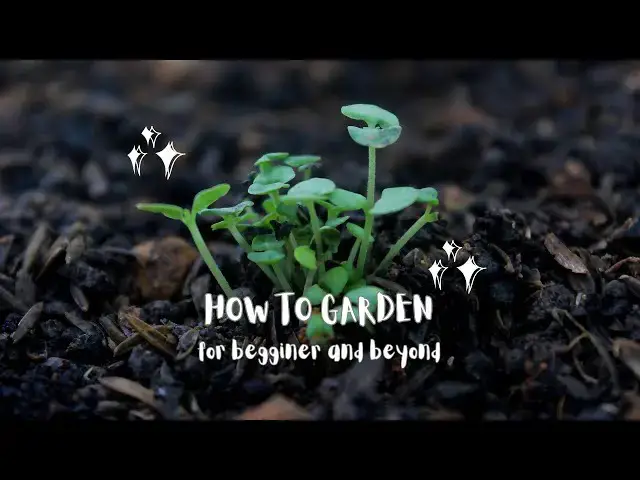
This is a step-by-step guide to setting up this year's garden. It covers everything you need to know to have a bountiful harvest.
https://www.thefarmerslamp.com/category-gardening/
Free download of the garden planner:
https://pages.thefarmerslamp.com/jointfl
Timestamps:
0:00 - Introduction to the topic of starting a vegetable garden.
1:06 - Choosing a Garden Location
2:09 - Sunlight Observation
3:14 - Water Access Consideration
3:54 - Soil Preparation
5:04 - Garden Placement Tips
7:24 - Soil Aeration and Preparation
9:58 - Assessing Soil Type
11:11 - Checking Soil pH
12:15 - Nutrient Consideration and Soil Testing
13:32 - Choosing Vegetables to Plant
15:25 - Understanding Planting Zones and Frost Dates
16:38 - Acquiring Seeds and Plants
Show More Show Less View Video Transcript
0:00
Today, I want to talk to you about starting your vegetable garden
0:03
We're getting a lot of questions from first-time gardeners, and while I'm excited about more and more people starting to garden
0:12
and I love helping especially new people get going, there is a lot to consider in the process
0:18
We're going to go through every step from soil preparation to choosing what vegetables to plant
0:25
I have over 50 years of gardening experience, and the Farmer's Lamp is here to help you with information
0:32
and give you confidence, and support you along the way. So let's start gardening conversation together. How about it
0:38
First thing you need to do is decide where you're going to plant your vegetable garden
0:44
I get a lot of questions from urban homesteaders or people who live in an urban setting who are wanting to start gardening
0:52
We offer Farmer's Lamp an article for edible landscaping, because a lot of places like where my son lives
1:00
they have an HOA and they're not allowed to grow certain things in their front yard
1:04
So you got to be aware of those things, and if you're in that situation
1:09
there are a lot of ways around that. So you can read that article on edible landscaping if you're in that situation
1:15
But even if you are, no matter where you are, no matter what kind of space you've got
1:19
you have to start with where you're going to put it. A lot of people in urban settings are doing raised bed gardens in their backyard
1:27
and I think that's excellent. That's a great idea. They have trees or different things in there that can't make certain soil improvements right away
1:35
So a raised bed garden is a great way to get started. Now, first thing you have to do is you're going to observe the sun's path across your yard
1:45
Vegetables are sun-loving plants, and they need a minimum of six hours of sun a day
1:50
and some of them prefer eight to 10. So you want to be sure that you pick the sunniest spots
1:56
Now, some of them like shade and can tolerate shade. So we're going to have to
2:01
we'll talk about that in a little bit, deciding what to plant
2:04
Do it over a week, maybe even two, depending on your weather
2:10
If it's real cloudy, it's going to take you longer to decide what really is the sunniest spot of your yard
2:16
But don't just look out there one time of day and say, oh, that's the best spot
2:21
Look at it over six to eight hours a day and see what area is getting the most sun
2:28
Now, the next thing you have to think about is how are you going to get water to your garden
2:33
If you don't live in an area where you get a lot of rain, and even here where we do get a lot of rain
2:38
we have to water some in August, late July, August. We do have to do some watering
2:45
So you got to consider how you're going to get that water there. If you have to carry it by bucket
2:52
you're going to want it to be closer to the water source. If you can run a water hose, then that's great
2:57
Our house is over 100 years old and there are no outside water faucets at all
3:04
So you have to consider all those things. In some areas, like here where we are
3:10
it's illegal, and I know it's just impossible to imagine, but it's illegal to harvest rainwater
3:18
So that's not an option. So you've got to consider what you've got and what you've got access to
3:24
Now, after you've picked out the best spot where the sun is
3:30
then you're going to look at the soil in that area. It needs to be rich and well-drained
3:38
You're going to avoid spots where water sits, where the soil gets soggy
3:42
that can rot your roots. If you only have one spot, it's okay
3:50
There are lots of soil amendments you can do. You can use raised beds
3:54
On the Farmer's Lamp, you'll find a section under gardening on soil health
3:58
It goes through, there's all kinds of articles in there on how to check your pH
4:02
how to add the compost, how to use worms, how to add calcium
4:06
There's just all kinds of information in there that you can improve that soil
4:11
So just because your soil is bad in that area right now, it may take three to five years for it to be a Garden of Eden type setting
4:19
but you can do it. It can be done. Sure. Well, you may be in an area like me and you can't be sure
4:26
But if you have a flat piece of land, that's ideal. If you're south-facing, that's ideal
4:35
If you are south-facing with a slight slope, that's great. But you're going to want to not be so steep that you have runoff
4:48
Then your soil will run off. But if you do have that
4:53
you don't have a choice, you only have a slanted, then do some terracing or maybe put a couple of raised beds at the end of the gardens
5:01
just to stop it a little bit. Keep your friends close, but keep your garden closer
5:07
Now, I don't know about where you live, but where we live right now
5:11
there are all kinds of deer. I've never seen the deer population so high
5:17
I think personally, it's because there aren't as many people hunting wild game now as there used to be
5:22
So, they're really multiplying and no one's thinning them out. So, they will eat almost everything that you put in your garden
5:32
We also have trouble with raccoons in the garden. They love tomatoes
5:37
They love the corn. They love the watermelons. Oh my goodness, and the rats love the watermelons and the bunnies will come in
5:44
So, you're going to want to keep it as close to the house as you can
5:48
that's manageable for you. Put up electric fence or some kind of fencing to help keep them out
5:55
So, you got to consider what kind of garden-loving animals do you have in your area
6:02
Now, I worked with a friend when I was a nurse. Excuse me. She was a first-time gardener and I've since, of course, retired
6:13
But she was a first-time gardener, so she went out in her backyard and she tilled her up a spot and she planted her a garden
6:20
It did horribly. So, she asked me if I'd come over and look at it
6:25
I walked into the backyard and I saw right off what it was and I said
6:29
you're planted by a row of pine trees. She said, well, yeah, but that's the best spot
6:35
I helped her. We decided where it was a better spot. But those roots of those trees are going to sap the nutrients in the water
6:45
They're getting it first. They're going to cast unwanted shade and pine trees make the soil very acidic
6:51
Most garden vegetables don't want acidic soil. So, you have to consider all these things
7:00
It's very simple to pick out the best spot. Remember, your gardening is a personal journey
7:06
What works splendidly for me might not work that well for you
7:11
So, just embrace the process. Let your garden be a reflection of who you are and the things that you love to eat
7:19
and just follow your own journey. Now, you've got your spot picked out
7:24
You know about the water. Next is the soil. So, you're going to prepare your soil
7:33
Soil for planting is like, you know, building a stage for a play
7:39
or setting a beautiful table for a dinner party. Your plant's roots need a cozy environment
7:47
They want to grow strong and healthy. So, first thing you have to do is consider your aeration
7:54
Compacted soil will hinder your roots from spreading out, and it will keep water from penetrating
8:01
Deep tilling can disturb all of the beneficial microbial life in the soil
8:07
but tilling can also loosen the soil. So, it's best if you till to do it with minimal disturbance
8:16
You can use a garden fork to turn over the top layers without going more than two inches deep
8:23
That will introduce some air pockets into the soil without excessively disrupting the microbial communities that are there
8:32
The goal is to create a more hospital environment for your roots
8:36
You want to get the soil as light and fluffy as you can
8:41
You may have to add loam to it. You may have to add compost, leaves, whatever you've got to do
8:51
And like I said, there are a lot of articles on the Farmer's Lab that will help you with that
8:55
You want to put air in there. Another option is to practice deep munch gardening
9:00
Now, that's what we do. We do have our corn and pea patch that we don't do deep munch gardening in
9:06
We actually till that area. We do crop rotation in there with the three sisters, pumpkins, corn, and peas
9:14
So, that patch stays pretty fertile. We do add pig manure and cow manure and different things from the farm
9:23
and wood chips onto that spot every year to keep it replenished
9:26
and keep it nice and loose. But deep munch gardening is a great method
9:32
It takes time to build. It's not a, unless you're very fortunate and you have great soil
9:38
and have access to leaves and wood chips and different things that you want to put on there
9:44
If it's something you've got to build up to, then that's okay
9:48
You're going to want to build it up to three to six inches of mulch
9:51
Then you just pull the mulch back and you plant and boy, everybody's happy
9:57
Part of preparing your soil is assessing your soil type. Where we, our family farm is very heavy with clay in certain areas
10:08
And clay holds water like a sponge and that is not good
10:12
Your roots are going to hate that. So, you're going to have to add some sand in there
10:17
And sandy soil itself isn't good because the water runs through. So, it's got to be a balance
10:22
You want a happy medium. That's called loamy soil. A happy medium between say, sandy and clay is a loamy soil
10:32
So, if you're dealing with clay or sand, don't worry about it
10:37
Just add organic matter. Add that green manure in there. That's compost
10:41
That's aged manure. That's leaves. You're going to add worms. Red wigglers are great in that clay soil
10:52
So, there are lots of things you can do. We have an article on the Farmer's Lamp called the best compost for vegetable
10:59
gardens and how to do it. So, you can go read that
11:04
You've got your soil evaluated. You know what kind of soil you have. You know what kind of amendments you need to make
11:10
Next thing is to check the pH of your soil. It matters more than you think
11:15
Most vegetables prefer a pH between six and seven. You can grab a soil testing kit from your local nursery or the extension
11:24
service or we've got an article on the Farmer's Lamp about how to check your
11:29
soil pH and we have pH monitor recommendations in there. So, go check that out
11:37
And don't forget about the nutrients. Nitrogen, phosphorus, potassium, they are the big players in your vegetable garden
11:45
But they do need calcium, magnesium, and sulfur along with some other trace elements
11:50
So, you know, a lot of people have their soil tested. We have never had our soil tested
11:56
Just because of all the experience and knowledge that we have, we just haven't..
12:00
It's not something we've ever done. I'm not against it. It's just not something we've ever done
12:04
I think if you're a first-time gardener, it's not a bad idea. We have some friends that just bought a 200-acre farm and they did
12:11
They sent their soil off for testing to find out what it lacked
12:15
It was very low in magnesium in one section and very low in potassium in another
12:20
And so, they planted cover crops and added some soil amendments and so now their
12:25
garden is just gorgeous. So, it's doable. Finally, you're going to mulch
12:35
We've talked about the deep mulch gardening. After you've had your soil tested, you know your pH, then you can mulch, okay
12:43
Now, perseverance and patience are key in gardening. Some adjustments take time
12:50
There are some things you can do that you see the results right away
12:54
And some take years even, like the deep mulch gardening or some of the soil improvements
12:59
That takes a while. It's like baking a cake. You've got to let it all come together in just the right recipe so that your soil
13:10
is ready. You've picked out your garden spot, you've got your soil ready, and during all this
13:16
time, you should be choosing what vegetables you want to plant. The first step in knowing what vegetables you want to plant in your vegetable
13:25
garden, what are your family like? I know my sons, my grandsons, they're not really crazy about a lot of vegetables
13:34
but fortunately, their mom and dad make them eat them. So, they have some they like better than others
13:40
So, those are the ones I try to plant. So, you have to take a minute, think about what your family enjoys most
13:47
If you grow it and it does great in your garden and nobody eats it, then it's a waste
13:54
So, be realistic about how much you plant and what you plant
14:01
Vegetables like tomatoes, beans, and peas, they provide a lot in a relatively small space
14:09
If your family loves salads, then lettuce and spinach are things you're going to
14:14
want to plant. You know, carrots, maybe radishes. These all do okay in partially shaded areas
14:22
So, you can diversify what you're planting. Early growers like peas, some varieties of peas, you can plant them
14:37
Then after they're done, then you can put summer squash there or cucumbers there or
14:41
bell peppers there. Okay, then after they're done, then you can plant some root vegetables like beets
14:48
or turnips in that spot. So, there are things you can do
14:53
You don't just have to plant one thing in that section and you don't plant anything there until next year
14:57
There are other things you can do. When you're deciding what plants you want to plant in your garden, you have to know
15:05
your planting zone. We have an article in the Farmer's Lab about identifying your planting zone and
15:12
reading seed packets so that you'll know what that information on that seed packet
15:17
tells you. It'll tell you what zone it can be grown in
15:23
Some of them will even tell you their heat factors and things like that
15:27
So, it's understanding planting zones. It's on the Farmer's Lab if you want more information about that
15:33
You have to know your expected first frost date and your expected last frost date
15:38
And remember, those are just expected. We have frost here up until the first or second week of June
15:45
So, we don't plant our garden until the second week of June. We just kind of keep track of the weather and take a look
15:51
And then we have our first frost end of September, our first freeze the middle of October
15:57
So, you've got to know all these things when you're choosing your plants because you have
16:02
to know how long your growing season is and you have to plant plants that will grow in
16:09
that amount of time. So, you've decided what you're going to plant
16:16
You know your growing zone. Now, you've got to get your plants or order your seeds
16:21
Now, we save seeds from our garden from the things that we love every year
16:28
So, we hardly ever buy seeds. Every year, I like to add a new variety of something
16:37
Last year, we added the litchti tomatoes and I just loved them
16:41
So, we save those seeds. So, this year, we won't buy those, but we'll add something else
16:46
Now, on the Farmer's Lamp, we have the seed shop. We have affiliated with Seeds Now and they are organic, heritage seeds only
16:58
So, if you go to the Farmer's Lamp and in the welcome menu, it says Country Store
17:06
You go there and you can find the seed shop and you can browse all the seeds that we have
17:12
there in that selection for you. But if you prefer seedlings, like for your tomatoes and your bell peppers, you don't
17:18
want to start them from seeds. And I get that. You know, a lot of even experienced gardeners don't enjoy seed starting, so they go to their
17:25
local nursery. Be sure it's a nursery that you can trust. You can go to buy heirloom plants, heirloom seedlings is what they're called
17:38
You buy those. Hybrids will not, you don't want to save the seeds from them
17:44
It has to be an heirloom plant to save the seeds from
17:49
And also on the Farmer's Lamp, we have an article on tomatoes from seeds to seedlings
17:54
and bell peppers, growing bell peppers. And in those articles, we tell you how to pick out, if you're going to the nursery to
18:01
buy your plants, we tell you how to pick out those plants, how to pick out the healthiest
18:06
ones, the best ones. So we have you covered on the Farmer's Lamp
18:10
Now, you know what you're going to plant. So now we have to plan the layout. Okay
18:17
It's crucial to consider the sun needs that we've already talked about of every plant
18:24
that you're going to plant. Sketch your layout. A garden journal, a garden journal, a garden journal
18:31
I've been gardening for over 50 years. I use a gardening journal. We have one on the Farmer's Lamp
18:37
If you join the Farmer's Lamp newsletter, you have access to all of our free downloads
18:42
and the garden planner and journal is in those free downloads. So you're welcome to go and sign up for the newsletter
18:49
There's spots all over the website for you to do that. Sketch your layout
18:55
This helps you keep up with your crop rotation. This helps you keep up with what did well where
19:03
So it's a very valuable tool. So garden journal. Okay. So remember how your garden is oriented and how it catches the light significantly impacts
19:18
the success of your crop. So mapping it out, you know, what gets where
19:24
As an example, in the corn and pea patch, we have the corn on the east end this year
19:32
and the peas on the west end. And that's because that way, the way the sun casts onto the peas and the corn, they both
19:43
need a lot of corn. That way they're balanced. Everybody's getting enough of what they need
19:50
Down at the vegetable garden, we have two different patches down in the vegetable garden itself
19:55
Everything is in the sun. Next to the road, we have a huge oak tree that casts an evening shadow over the garden
20:02
And so in that area, I have cantaloupes and the cucumbers, things that only need six hours
20:10
or so that aren't going to hurt if they only get six hours of sun
20:15
So you got to consider those things when you're laying things out. You have to, when you're laying out, you have to consider your row spacing
20:25
Orient your rows north to south, if at all possible, because that allows you more sunlight exposure
20:31
As the sun travels over the garden during the day, then you know, you're getting more
20:37
sun exposure by planting your rows north to south. The space between rows, the plants that you choose will determine how far apart your rows
20:47
need to be and how far apart the plants need to be in that row
20:52
So always check the specific spacing requirements on your seed packets or on your plant tags
21:00
and follow the guidelines there for how much space that plant needs
21:04
As you become more experienced, you can fudge a little here and there, but starting out
21:08
just follow those guidelines. It's good. Companion planting, huge. The concept of companion planting goes way beyond just putting plants together
21:19
There is a symbiotic relationship between certain plants and they benefit one another
21:25
not only just in pest repellents, but in insect attraction and even in flavor
21:35
There's just a few instances that come to my mind right away
21:38
Many vegetables have companions that enhance their growth, improve their health, and even
21:44
increase their yield. For example, if you grow basil next to tomatoes, I'm one of those that believes the flavor
21:52
is better, okay, but that also wards off some insects from the tomatoes
22:01
Corn and peas, you heard me call corn, peas, and pumpkins the three sisters
22:07
Corn is a nitrogen drainer. The peas are a nitrogen fixer
22:16
And then the pumpkins come in and if you plant those three together in harmony, you have
22:21
a very rich garden path there. So it's worth some time, spending some time researching companion plants for specific
22:29
vegetables that you want to grow. We do have an article on the Farmer's Lamp for companion planting for tomatoes, so check
22:35
that out. I want to learn about succession and rotating. Now succession planting and crop rotation, they do a lot to help your garden's productivity
22:47
and the health of your garden. Succession planting is you grow a crop, say I'm planting lettuce
22:56
I want to plant five rows of lettuce. I plant two rows of lettuce
23:03
I wait two weeks. I plant two more rows of lettuce. I wait two weeks and I'll plant another row of lettuce
23:10
They're all at different stages of maturity. That lengthens your growing season
23:16
Another way to use succession planting is you plant lettuce. The lettuce, it gets too warm for lettuce
23:22
The lettuce dies. You plant some beans or some cucumbers, okay. They do their thing
23:30
It's getting cooler. They die. You plant some radishes or you plant some beets, a root vegetable there in that same spot
23:39
That's another way of doing succession planting. Now crop rotation is very crucial in maintaining your soil health
23:48
It reduces disease risks, insect like the potato beetle. By rotating, when those things go into hibernation in the winter, when they come back out in
24:01
the spring expecting something to be there that they love, that they feed off of, it's
24:06
not there. They die off. It helps also prevent nutrient depletion in your garden
24:15
We have an article, surprise, we have an article on the Farmer's Lamp that talks about the
24:21
risks of poor crop rotation and how to practice good crop rotation
24:27
You want to do that, okay. Again, we've talked about all of that
24:33
There are some special considerations. Vertical gardening. Now if you live in a very limited space, plant up, okay
24:44
Trellises, stakes, cages, they can support things like tomatoes and peas and cucumbers
24:50
and bell peppers, beans that grow up. I love those garden arches, you know, that have everything, the squash and the different
25:04
things that grow up it and then they all hang down under there. I've been wanting to put one in the garden
25:09
It's not very practical for me because we have other systems already in place, but I
25:14
would like to do that one day. Raised beds. They're not only great in areas where you have challenges with your soil health, but
25:23
they offer excellent drainage, easy to weed, easy to control pests, easy to enrich the
25:30
soil and it fits in smaller places. Plus if you have a bad back or it's hard for you to get up and down off the ground, then
25:41
raised bed gardens are excellent. We only have a few raised beds, but I really, really like them
25:47
And over the years, I think as I'm getting close to 60, I'm like, maybe I want to put
25:52
that in a raised bed next year. So it's something worth looking at
25:56
We also have an affiliate program with Oli Gardens and that's all they do is raised beds
26:01
and their products are amazing. So you can check that out in the Farmer's Lamp Country Store as well
26:07
We've talked about growing bell peppers, growing tomatoes, you know, we have those articles
26:12
on the Farmer's Lamp. Go over there and check them out. You're going to want to read about GMO seeds versus your hybrid, your heirloom and your
26:20
organic seeds. We have those articles on the Farmer's Lamp too. You cannot legally save seeds from GMO crops
26:28
The company that had that seed created owns it and like I said, hybrids are not reliable
26:35
for their seeds. So you want to heirloom seed and like I said, organic if you can
26:43
Now that's a lot of information. So the article is on the Farmer's Lamp
26:48
You can go over there and print that article out. Read through it at your own pace
26:54
Sustainable vegetable gardens requires a lot of thought, but it becomes second nature
26:59
I don't think about these things anymore because I've been doing it so long, but that's okay
27:04
that you are and start where you are. If you can just start growing a tomato or a bell pepper in your backyard, it doesn't
27:12
take much to feed a family. Understand the sunlight and shade requirements of the plants you want to plant
27:20
Draw your garden layout according to what's going to help your plants grow the best
27:25
Remember north to south orientation if possible. The proper spacing of your rows, the proper spacing of your plants
27:34
This is important because of air circulation and disease prevention and also space for
27:41
that plant to grow. Remember to think about companion planting. It's a great way to help your garden's health and productivity
27:49
Choose plants that are designed for you, or not designed, but that will grow well in your area
27:57
You want to grow plants that you're going to eat and please keep a garden journal
28:04
It is so important. I cannot stress enough to keep a garden journal
28:08
You can keep your seed order receipts in there. What you liked
28:12
Make notes of what you liked, what you didn't like. You might not like a certain variety of a tomato and you want to change your tomato
28:17
variety next year. All those things go into your garden journal. All of these practices come together
28:25
Each one plays a vital but different role in creating a healthy vegetable garden
28:32
Implement these techniques. We are here. We get a lot of emails
28:37
You can comment in one of the posts. I'll see it either way, email or comment
28:41
We'll get back to you. We are here to help you on your gardening journey
28:48
Happy gardening. Until next time
#Home & Garden
#Gardening & Landscaping
#People & Society
#Landscape Design