Up next in 10

Can Psychedelics Help Black and Brown and Indigenous People Heal Trauma? | SWAY’S UNIVERSE
Mar 8, 2022


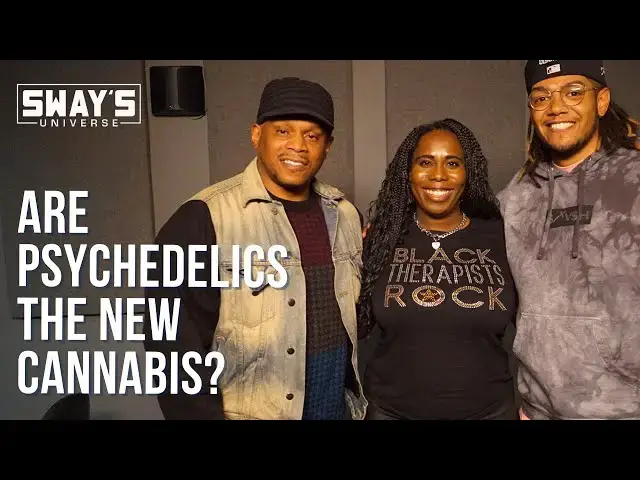
Can psilocybin – or plant-based medicine – help BIPOC heal their trauma & overcome addiction? What unique challenges and opportunities do BIPOC therapists face? Will the multi-billion dollar pharmaceutical industry prevent BIPOC from participating in the economic opportunities like the cannabis industry has?
Licensed therapists, Deran Young, LCSW and Victor Cabral, LSW explain how they use psychedelic-assisted therapy to help individuals who have experienced trauma and in their own healing journeys.
The film also tells the story of a group of close knit men who have turned psychedelics to help disrupt the cycles of trauma in their families and challenge society’s expectations of how Black and Brown men should be in relationship with one another.
From the upcoming documentary film, Transcendence. View trailer: pictureacolorfulworld.com
Subscribe Here! http://bit.ly/SubscribeSU
Watch the Best of Sway In The Morning! http://bit.ly/BestOfSITM
Check out More From Sway’s Universe
http://swaysuniverse.com
http://twitter.com/swaysuniverse
http://instagram.com/swaysuniverse
http://facebook.com/swaysuniverse
[Playlist Specific Hashtag] #SwaysUniverse #SwayInTheMorning #SiriusXM #Shade45
About SWAY’s UNIVERSE
Exclusive interviews from Sway Calloway and the Sway In The Morning/ SwaysUniverse.com team with some of today's biggest celebrities, like Kevin Hart, Kanye West, Eminem, Usher, Jessica Alba, Steve Aoki, Torey Lanez, Julia Stiles and so much more.
[Video Title]
[Video URL]
Sway’s Universe
https://www.youtube.com/UCuS96jkLKpTaGB_OWnwZV_A
Show More Show Less View Video Transcript
0:00
one two one two uh citizens man we're in
0:02
for a treat right now this is something
0:05
at one point in my career i always
0:07
wanted to bring this conversation to the
0:09
airwaves i think it's a conversation
0:11
that could be beneficial to you for many
0:13
reasons especially in these times in
0:15
this time of the pandemic we've been
0:17
finding people who have found different
0:19
remedies to heal themselves not just
0:21
physically
0:22
spiritually as well as mentally and i
0:25
wanted to have our next two guests on to
0:27
talk about
0:29
different ways that you can heal
0:30
yourself that are unconventional but
0:32
they are indigenous in their origin and
0:34
we're talking about psychedelic assisted
0:37
therapy and plant-based medicines and
0:40
with that said i want to
0:41
introduce to you our first guest he's a
0:43
practicing psychotherapist with training
0:46
and internal family systems
0:48
he's currently serves as a director of
0:50
policy or regulatory affairs for fluence
0:52
which is a company that has trained more
0:54
than one thousand mental health
0:56
professionals and psychedelic assisted
0:58
therapy he recently left the role at dep
1:00
as a deputy director for the
1:02
pennsylvania office of athens advocacy
1:05
and reform and he's here to share his
1:07
experiences in his information with you
1:11
to all of our benefit please welcome to
1:13
the show the one and only victor cabral
1:16
hey
1:18
welcome to the show vic hey i appreciate
1:20
you swaying i'm happy to be here it's an
1:22
honor man that might have been one of
1:23
the hardest intros i had to give man a
1:26
lot of multi-syllable words there
1:28
brother uh but um congratulations on
1:31
your career and all that you've done and
1:32
joining us we're not alone is a powerful
1:35
young lady who's the founder of black
1:38
therapist rock which has over 30 000
1:41
mental health professionals around the
1:43
world uh she herself is a licensed
1:45
therapy therapist focused on
1:47
understanding solutions for racial
1:48
trauma and other legal or legacy burdens
1:52
prior to her advocacy work with black
1:54
therapist rock she served in the u.s air
1:56
force for 18 years and she barely looks
1:58
18 years of age as i sit down with her
2:01
right now realize i got to start working
2:03
out please welcome her to the show duran
2:05
young duran welcome to the show thank
2:07
you so much for having me yes okay well
2:10
i'm excited too because i feel like uh
2:13
i'll i want to be educated in this
2:15
conversation as well as our audience and
2:18
the two of you don't just talk about it
2:20
you live it you know this is a part of
2:21
your lifestyle this is
2:23
uh practices that you guys have acquired
2:26
over the years and and now you become
2:28
advocates of and so i want to start with
2:30
our first question uh
2:33
duran you're a black woman victor you're
2:34
you are afro-latino man both of you guys
2:37
are using your healing journey with
2:39
psychedelics to help others especially
2:42
women and people of color
2:45
this is a really
2:46
interesting topic what made you want to
2:49
use this healing journey to help others
2:51
i'm going to start with you vic
2:54
yeah um i'm
2:56
i think i'm a very
2:58
firm believer in that i don't recommend
3:01
anything to anyone that i haven't tried
3:02
myself right and um
3:05
you know in 2010 i dropped out of school
3:08
i was dropped out right i got kicked out
3:10
lost my apartment i was 300 pounds
3:13
and um
3:14
i went on this journey to get physically
3:16
fit and at the end of that
3:18
i realized like i'm physically fit now
3:20
but something's going on in my mind like
3:22
there's something
3:24
beyond
3:25
the physical that i need to address and
3:29
i started going to therapy
3:31
and eventually hit a wall with that as
3:32
well where i knew something was wrong
3:35
and i couldn't get to it
3:37
and um i remembered a friend of mine
3:40
in college that shared his experience
3:42
with me with you know that he had with
3:44
psychedelics at the time and i was too
3:46
young and not aware enough to understand
3:49
what he was telling me but the story
3:50
stuck in my mind
3:52
and so in 2016
3:54
you know i made the decision like i'm
3:56
gonna seek this out i spent about a year
3:58
doing my research looking at
4:00
uh you know science looking at people's
4:03
reports of it
4:05
and really being like i think this is
4:07
something that is going to help me
4:09
in my next step in life and
4:12
so in 2016 for the first time i tried it
4:16
um
4:16
and it changed my life it really did so
4:19
after that i
4:20
after that first experience i knew that
4:22
this was the work that i should be doing
4:24
um so you know the natural follow-up
4:26
question to that is what was that first
4:29
experience like can you describe it what
4:31
you felt i was in my room by myself you
4:33
know i had somebody who cared about me
4:35
who um
4:37
you know i had told what was going on so
4:39
i could be safe
4:41
and the the best way that i can explain
4:43
it is you know uh shrek says that we're
4:45
like onions right the ogres are like
4:47
onions and the best way that i could
4:48
explain it was
4:51
uh i started peeling back the layers
4:53
right of like
4:55
the labels
4:56
um
4:58
their expectations
5:01
uh all of that and just peeling back
5:03
peeling back peeling back until i got to
5:05
the center and the core of who i am and
5:07
the answer to that was love right
5:10
um and that completely just blew my mind
5:13
right it's like the answer was right in
5:15
front of me this whole time i just got
5:17
to love people
5:18
um
5:19
love myself and i could live a happy
5:22
life and that realization
5:25
really took my work and took my
5:28
relationships to a whole different level
5:30
does that insight that the insight that
5:32
you gained from that first time
5:34
experience because you mentioned that
5:36
you got your body right you got your
5:37
physical right but something wasn't
5:39
correct in your head so that insight
5:42
that you gained uh number one is
5:46
did it sustain when you were sober
5:49
and then number two did that experience
5:51
correct what wasn't right in your head
5:54
yeah so yeah it's sustained um it's you
5:58
know that was
5:59
seven years ago
6:00
uh you know five six i mean six or seven
6:03
years ago
6:04
and
6:05
luckily for me right when i had that
6:07
experience it was the summer before i
6:09
got accepted into my master's program of
6:12
so for social work so i went from having
6:14
this really profound experience
6:17
to then
6:18
going into this program that broke down
6:20
all of the systemic issues mental health
6:23
issues and so
6:24
i was so hungry for that knowledge and i
6:27
was able to use my graduate education
6:31
as my integration right
6:35
did it fix anything
6:37
i think it helped me continue to grow
6:39
and be on this path but to this day i
6:41
think
6:42
growth and healing is a lifelong process
6:45
and so i'm just starting to really
6:48
embody
6:49
what it is to take care of
6:52
myself physically
6:54
you know to take care of myself mentally
6:55
and spiritually
6:57
um
6:58
and so i'm still going through the
6:59
process man six years later is still
7:02
you know the process of integrating and
7:04
learning
7:05
and um and learning from the mistakes
7:08
you know absolutely thank you vic um
7:11
of course i got more questions on that
7:13
but i want to hear from you duran about
7:15
your healing journey and why was it so
7:18
important for you to share it with
7:19
others especially people of color and
7:20
women
7:22
yeah so for me this is deeply personal
7:25
um like deep in my bones deep in my
7:26
blood personal
7:28
i come from a long generation of people
7:30
who are very strong but also suffering
7:32
and weren't allowed to say that they
7:34
were suffering you know silently
7:35
suffering um i'm about five generations
7:38
removed from slavery down in texas where
7:40
i'm from
7:41
and i am an 80s baby even though you
7:43
said i don't look over 18.
7:46
i grew up in the 80s kind of at the peak
7:48
of the war on drugs the crack era right
7:51
my mom was addicted to crack actually um
7:54
and i i now know as a professional that
7:56
she was medicating her depression
7:58
she had three babies by the time she was
8:00
19 years old little to no support
8:03
poor
8:04
you know no the fathers were not
8:05
involved and i think she just turned to
8:07
what what was available at the time
8:10
and i think that so many of us as black
8:13
and brown people we don't have what we
8:14
need we don't have the tools we don't
8:16
have access to the things that other
8:18
people are using to help thrive you know
8:21
to help them
8:22
be well in life and to have beautiful
8:24
relationships and you know wonderful
8:26
careers we're just trying to survive
8:29
oftentimes when you're in the hood you
8:31
got three kids running around you trying
8:32
to figure out how to feed them you don't
8:34
have time to make an appointment and go
8:35
see your therapist and talk about your
8:36
problems you're trying to figure your
8:37
problems out because those problems are
8:40
hooked to survival
8:42
right so for me i became a therapist
8:44
because i i saw the struggles that my
8:46
mom went through and so secretly we went
8:48
through you know abuse
8:50
i live with my grandmother on and off a
8:51
lot of 80s babies you know raised
8:53
partially by our grandparents and the
8:55
abandonment and the absence of our
8:57
parents and really the the overwhelm of
9:00
our grandparents our grandparents didn't
9:01
know what to do with us because a lot of
9:02
them were only in their 50s or 40s you
9:04
know
9:05
still trying to live their life and
9:06
figure out life for themselves
9:08
and my grandmother would say you know i
9:09
had three kids i raised them i'm done
9:12
you know and so really i was raising
9:14
myself
9:15
and i just i would look around i would
9:17
say so many people that look like me are
9:18
suffering why
9:20
and does i'm a little kid no one else
9:22
sees this
9:23
no one sees that you know when you roll
9:24
through the projects everybody's hungry
9:26
all the kids look like they uncared for
9:29
like does do people not see this or do
9:30
they not care
9:32
so when i went to school i joined the
9:34
military like you said at 18 years old
9:35
fresh out of high school because i was
9:36
homeless
9:38
that you know like when people asked me
9:40
did you join the you know fight for your
9:42
country no
9:46
you needed it i wasn't hungry
9:48
right and i wanted to go to college you
9:50
know i was super smart but i knew we
9:52
were broke
9:53
and i didn't want to be broke in college
9:54
i saw a lot of people doing that and i
9:55
was like i'm tired of being broke
9:57
so we have a military base where i'm
9:59
from and i was like i'm gonna join the
10:00
military and a lot of people are like
10:01
how did you do it as a black woman in a
10:03
very white world
10:05
i had already been living that i'm from
10:07
texas yeah you know like it was nothing
10:09
new to have to navigate whiteness for my
10:11
survival
10:13
and i tell people you know in america
10:15
it's not ideal most black people don't
10:16
get to where i got
10:18
with the statistics that i was born
10:20
under
10:21
you know so to me every moment is a
10:23
miracle like the fact that literally the
10:25
fact that i'm alive is a miracle i told
10:28
victor this story when we were having an
10:30
experience together psychedelic
10:31
experience together i had this big
10:33
epiphany
10:35
on my 39th birthday
10:37
because the shaman that we were with
10:39
shout out to the ancestor project in
10:40
baltimore they were like remember your
10:42
name before you were born
10:45
how many of us even think about before
10:47
we were born you know what was what was
10:49
my mom dealing with when she was
10:51
carrying me
10:52
you know what was her mother dealing
10:54
with when she was carrying the eggs that
10:55
would eventually produce me
10:57
we come from generations of trauma
11:00
and that is in our body that's you know
11:02
it gets passed down through the blood
11:04
so my mom actually when she got pregnant
11:06
with me at 16
11:07
she went to her mom that she was
11:09
pregnant and you know a lot of old
11:11
school mothers back in that day if you
11:13
got pregnant as a teenager you was gonna
11:15
get out you gonna have to figure it out
11:17
and so my grandmother actually paid for
11:19
her to have an abortion
11:21
wow but because i'm from texas which is
11:23
a gift and a curse sometimes to me
11:25
because i'm from texas they're super
11:26
conservative about abortion they
11:28
required her to watch a film about the
11:31
risk and one of the risk was that she
11:32
would never have a child again
11:34
so when i think about what was my name
11:36
before i was born that's love yeah
11:39
sacrifice you know that to me i could
11:42
never yes i could be mad about you know
11:44
all the things that we went through as
11:45
children and the the harshness of our
11:47
childhood and you know all the things
11:49
that i saw my mom my sister actually
11:51
witnessed my mom
11:52
doing drugs one time and she's
11:54
traumatized you know we all have these
11:55
very traumatic memories of our childhood
11:58
but when i think about you know all that
12:00
my mom gave me she gave me life yeah
12:03
that's it and that's all you needed and
12:06
i knew that i was loved you know because
12:08
of psychedelics my whole entire life i
12:10
wonder you know i had low self-esteem i
12:12
had a lot of issues around confidence
12:13
and being a dark-skinned black woman i
12:15
really struggled with like who am i what
12:17
am i where do i belong
12:19
but all i need to know is that i belong
12:21
in love
12:22
you know that i belong wherever i'm at
12:25
because i'm loved because i'm here
12:27
because i exist
12:28
so for me like i said is extremely
12:30
personal i myself have been diagnosed
12:32
with ptsd and depression and it's still
12:34
not an easy route it's not an easy road
12:36
you know but i'm glad that i get to have
12:38
the resources and tools to help me along
12:40
this journey
12:43
wow
12:44
that's powerful um
12:47
extremely powerful thank you for sharing
12:49
that thank you for sharing that a couple
12:51
of things come to mind because i want i
12:54
hope at the end of the
12:56
at the end of this conversation
12:58
we can alleviate uh eradicate some of
13:01
the stereotypes and the stigmas and the
13:03
in the myths that have been applied to
13:05
psychedelic assisted therapy or
13:08
plant-based medicines
13:10
um
13:11
when you mention you you be in the 80s
13:13
baby and you you talk about the crack
13:16
era
13:17
it immediately
13:19
also pushed my mind back to the 60s and
13:21
the 70s i wasn't there in the 60s but we
13:24
know the history of the 60s and the 70s
13:26
those were two prominent decades when it
13:29
came in the 50s when it came to
13:30
psychedelics
13:32
um
13:33
and it that's where a lot of the stigma
13:35
was born that's where a lot of it was
13:37
created a lot of those studies and those
13:40
practices were pushed to the side
13:41
because of some of the results that were
13:44
reported from that time
13:47
addiction people talked about addiction
13:49
um
13:50
people
13:51
compared it to heroin they compared it
13:54
to
13:54
any other type of opioid you know that
13:57
might have been around at that time and
13:59
it just walked a psychedelics had a bad
14:01
stigma right but you guys have seen
14:05
something different you know you were in
14:07
the air force for 18 years
14:09
i've done some work with a lot of
14:11
service members who have came back from
14:13
shock and all in iraq um different
14:16
programs i've been a part of where i
14:18
would see
14:19
like
14:20
just young
14:22
young service people who are really
14:24
going through a lot of mental anguish
14:26
and then i learned that a lot of
14:28
service act service members or current
14:30
service members
14:32
sometimes commit suicide because of it
14:34
at the tune of 22 service members a day
14:37
might commit suicide based on mental
14:40
health issues so i would love you to
14:42
kind of elaborate on the benefits that
14:45
you've seen from former and current
14:47
service members who utilize psychedelic
14:50
therapy or plant-based medicines to help
14:52
their mental health issues can you speak
14:54
to that
14:55
yeah i would say the biggest the biggest
14:57
challenge for most veterans and
14:58
especially black veterans is
15:00
reintegrating into society once you've
15:03
been considered an outsider you're
15:05
considered you know in the military it's
15:06
like them against us civilians versus
15:09
folks that are actually in the military
15:11
and it is its own world you know in
15:13
order to be a trained killer there's a
15:14
certain mindset that goes with that even
15:16
if you're not the one you know squeezing
15:18
the trigger pushing the button as a
15:20
therapist who was supporting killers you
15:22
know i had to at the end you know
15:24
make terms with that and as even for me
15:27
as i was leaving the military i was
15:29
conflicted my conscience was not very
15:31
clear
15:32
it felt like there was this heavy burden
15:34
on me that i especially as a black
15:35
person
15:36
am supporting something supporting war
15:38
supporting american domination of the
15:40
world you know
15:42
um
15:43
when that's the same power entity that
15:45
dominated my own community
15:47
so how do you rectify that conflict in
15:49
your mind right yeah and people ask me
15:52
that and i said you know we're always
15:53
survival first
15:54
so for all those years i was i didn't
15:56
think about it you know i tried to help
15:58
as many people as i could
16:00
i saw that even in that setting people
16:02
were suffering and and my goal is to
16:04
always try to be a place of light and
16:06
love you know where there's darkness
16:08
there's a lot of darkness in the
16:09
military because it attracts people who
16:11
were homeless like me you know
16:13
people who had childhood similars to
16:15
mine and so i did therapy in the
16:17
military for about eight years but i
16:19
worked in the hospital settings for 18
16:21
years and i started to realize that
16:25
the main thing that struck people in the
16:26
military really struggled with was
16:28
loneliness something that we call
16:29
chronic loneliness and
16:32
actually suicide prevention was my
16:33
biggest job when i was stationed in
16:34
italy and i saw that you know you can
16:36
put people in the most you know
16:39
restful environment i mean italy is a
16:40
beautiful country but your trauma goes
16:42
wherever you go
16:44
and you can't outrun it
16:46
people in the military are very high
16:48
functioning i mean probably the people
16:49
that are listening to this consider
16:50
themselves to be high functioning you
16:52
know bills are paid
16:54
able to go to work able to do all the
16:56
things but still very empty on the
16:58
inside
16:59
and so when you see that you can see
17:01
through all the you know
17:02
through all the masks all the layers of
17:04
the onion like you said all the
17:05
toughness and you see this you know this
17:07
person who thinks they're broken that
17:09
thinks they're not worth living that
17:10
really feel like they have no reason to
17:12
live i can relate to that as a human
17:15
you know i've been there
17:16
so when people talk about suicide like
17:18
it's some far away thing
17:20
if you've never woke up in the morning
17:21
and said
17:22
what is this all for
17:24
you're unique
17:26
i would say most humans that i've met in
17:28
my life
17:29
will say that they've had moments where
17:30
they weren't quite sure if it was you
17:32
know worth going on for
17:34
um
17:34
so yeah suicide in the military is a
17:36
thing we say die by suicide instead of
17:38
commit suicide because
17:40
it's the the real issue is depression
17:42
yeah right untreated depression and when
17:44
people go untreated for months years
17:47
decades um it builds up and it becomes
17:49
overwhelming so you know people feel
17:52
isolated lonely and depressed and that's
17:54
just a a real um
17:57
you know a combination for something
18:00
really bad to happen if they don't get
18:02
something some relief from somewhere so
18:04
when i meet people who say you know i'm
18:06
tired of living
18:07
it's not that they want to die they're
18:08
willing to die because they're in so
18:10
much pain
18:11
died by
18:13
appreci i appreciate that i hadn't heard
18:16
that phrase up until that point and so
18:18
you've literally watched people who were
18:20
going through that
18:22
um
18:24
take on psychedelic therapy and you saw
18:26
it improve or help help well like i said
18:28
in the actual military setting
18:30
psychedelics is forbidden okay i can
18:32
speak for my own personal story because
18:33
i want to out anybody okay but i can say
18:36
for my own personal story i was like i
18:37
said once upon a time suicidal um in the
18:40
military had just gotten divorced
18:42
was now a single mother in italy
18:45
trying to figure out what i was going to
18:46
do with my life what i really wanted for
18:47
my life and um not feeling fulfilled
18:50
just wasn't like what is it for i'm
18:52
paying bills going to work but what is
18:54
it all for um
18:56
and for me it really was about my
18:58
hormonal balance too a lot of times we
19:00
don't real we don't realize how much
19:02
hormones play a role in our mental
19:04
health our nutrition plays a role in our
19:06
mental health whether we're sleeping or
19:08
not whether you know whether we're
19:09
moving our bodies enough and when we're
19:11
depressed those are like all the things
19:13
that we stop doing we stop going out
19:15
with friends we stop um eating well we
19:17
start gaining weight or losing weight we
19:19
stop sleeping
19:21
and so for me
19:22
like i was kind of on this path to just
19:24
stop caring about my health i was like
19:26
well i had thyroid surgery my hormones
19:28
were all over the place i was you know
19:30
getting more and more depressed and
19:31
there was no answer for it uh
19:34
the answer was a steroid for the rest of
19:35
my life they're like this is a steroid
19:37
that you take for the rest of your life
19:38
you're going to be depressed you're
19:40
going to have no energy this is your
19:42
life now i quickly gained weight i
19:44
gained like 40 pounds which made me more
19:46
depressed
19:47
um
19:48
and i just i just gave up i was like
19:50
well you know this is this is it this is
19:52
my options
19:53
um and for me when i got into
19:55
psychedelics it was really about i was
19:57
pre-diabetic so it was about health you
19:59
know i wanted to find the shaman said
20:01
you know you're invited to find your way
20:03
back to health i didn't want to do it
20:05
the white way
20:06
i didn't want to be on a whole lot of
20:08
pills you know i didn't want to and
20:09
that's what they were shoving like this
20:11
pill for that that pill for this and
20:12
this side effect and take this one to
20:14
cover that side of fate like you're not
20:15
going to have sex you're going to gain
20:16
weight you know that's not living you
20:19
know like your solution is killing me
20:21
um and so i tell people you know i was
20:24
really programmed through dare and you
20:26
know when we talk about the war on drugs
20:28
and with psychedelics it wasn't that the
20:29
psychedelics were proven to be harmful
20:32
the government was worried about too
20:33
many people waking up
20:35
so i tell people you know i was
20:37
programmed to believe that
20:39
mcdonald's was food and mushrooms was
20:41
drugs
20:42
yeah
20:43
let's touch on the importance of this
20:46
topic to someone who doesn't believe
20:48
they need therapy
20:50
what would you say to that victor
20:53
yeah i think uh
20:54
the first thing i would say is i
20:56
understand why people feel that way
20:58
right um there's there's i think there's
21:00
several reasons why those sentiments
21:03
come up right the history of
21:06
our our communities and the medical
21:09
establishment institutions and what
21:11
they've done to our communities there's
21:13
distrust there and you have to respect
21:15
that and you have to understand that and
21:17
so
21:18
um in the west we have this way of
21:20
approaching
21:22
um
21:24
issues by pathologizing people right
21:27
and so
21:29
when you tell someone hey you might have
21:31
depression
21:32
or hey uh you know you might have
21:34
anxiety there's there's a defensiveness
21:36
that comes up because people feel like
21:39
you're labeling me right you're making
21:41
you're making it a problem for me um
21:45
and uh so i think that's one reason
21:48
right why people say i don't need
21:50
therapy i remember when i first started
21:51
telling you know my call my my family
21:54
i'm going to therapy it's like why are
21:56
you depressed you got a good job like
21:57
you gotta you got a wife and a kid like
21:59
you shouldn't be depressed or like are
22:01
you crazy right or talking to family and
22:04
saying hey you should go to therapy i'm
22:06
not crazy why would i go to therapy you
22:08
know what i mean so they could give me a
22:09
bunch of pills yeah and i and that's
22:11
real right because it's like
22:13
part of my journey right when i said i
22:15
hit a wall it was because i went to the
22:18
doctor they diagnosed me with uh major
22:21
depression uh severe major depression
22:23
adult adhd
22:25
and they were like here's this pill
22:27
right
22:28
um here's this antidepressant and then
22:31
i'm like
22:32
cool um now
22:35
i feel anxious they're like here's some
22:36
sanix now i'm like i can't focus here's
22:39
some adderall
22:40
right and by the time i looked up i was
22:42
taking four different medications and
22:44
i'm like
22:45
um people around me started saying like
22:47
yo you don't like you're acting
22:49
different like what's going on with you
22:50
right and and um so i get i guess what
22:53
i'm saying is i get why people have that
22:56
reaction yeah um
22:59
and the other thing is that it's not
23:01
easy to to
23:01
[Music]
23:03
address trauma right because once you
23:05
open those doors up if you don't have
23:07
the support around you
23:09
uh and you don't have uh
23:12
you know access to adequate care then
23:14
you're stuck with it right and that's
23:16
the same thing with psychedelics some
23:17
people that i know
23:19
have done psychedelics and they're like
23:21
why would i want to bring all this
23:22
trauma up and then i have then i gotta
23:23
sit with it right
23:25
um
23:26
so i think what i would say to those
23:29
people is that
23:31
i think
23:32
i get it right why you don't you think
23:34
you don't need therapy but i think the
23:36
work that me and duran and a lot of our
23:38
colleagues are doing is reclaiming
23:40
therapy and decolonizing it right so now
23:42
we're starting to question like what
23:43
does this diagnostic manual mean what
23:46
does this label mean
23:48
like
23:49
are you really
23:50
you know trying not to label people and
23:52
instead of saying like you have these
23:53
symptoms and now you fit this
23:55
description it's like what does this
23:57
entire person's life look like what does
23:59
their history look like what does their
24:01
family look like what does their
24:03
environment look like what does the the
24:05
community look like that they live in
24:08
and then it humanizes it and you're able
24:10
to approach especially coming from the
24:12
backgrounds that we come from
24:14
uh you we approach therapy in a
24:17
relational aspect right so like i care
24:19
for the people that i sit with
24:21
um so i i encourage people to go and
24:24
seek out therapy and shop around for a
24:27
therapist you might i've fired like
24:29
a lot of therapists because i'm a
24:30
therapist who gets therapy right okay so
24:33
um sometimes you got to look for that
24:35
one person that that connects with you
24:37
and it's not about fixing you it's about
24:38
you having somebody
24:40
who
24:41
will listen to you and who will validate
24:43
your experience as a human being
24:45
okay uh i find that interesting that a
24:48
therapist uses a therapist and then even
24:50
hearing that information that you got to
24:52
go through
24:53
many therapists you might want to try
24:55
you know black therapists rock you know
24:57
go fun
24:58
go find you the right one
25:00
um
25:01
if i'm a person with ptsd
25:04
right and and i'm not sure
25:07
what i'mma do i don't know i just know
25:09
i'm suffering from ptsd i'm trying to
25:11
figure it out
25:13
i heard about you know a psychedelic
25:16
therapy i heard about plant-based
25:18
medicines
25:19
where do i start where do i go how do i
25:22
get started
25:24
i'm going to always tell people to do
25:26
what makes the most sense for you you
25:29
know i i tell people i'm at a place in
25:31
my life i'm retired military i have a
25:33
quite a bit of privilege so i can do
25:34
things that i couldn't do you know when
25:36
i was 18 years old going through the
25:38
military okay i say that because i don't
25:40
want nobody to lose their job you know
25:42
like people sometimes are so desperate
25:44
for healing that they will do anything
25:46
and i'm all about harm reduction yes you
25:49
know healing is there and available but
25:51
less like you said there's time and
25:52
place for everything
25:54
so there's lots of different options
25:56
some that i've engaged in that weren't
25:58
quite legal but again you know i know
26:00
where i live things are i know the
26:01
policies where i live i live in a very
26:03
progressive place and do you see you
26:05
know it's decriminalized where i'm at
26:07
both cannabis and mushrooms is what we
26:09
call decriminalized
26:11
like you said uh we're really working to
26:13
decolonize medicine in general
26:16
because healing ain't new you know these
26:18
medicines aren't new cannabis isn't new
26:21
they're putting a new label on a new
26:22
price tag on it but none of this is new
26:24
this came from our ancestors and this
26:26
has been around for many many years so i
26:28
i say you know
26:30
know your options and know the best
26:32
option for you
26:33
one of the options that i recommend to
26:35
people is i work at a place called field
26:37
trip health
26:38
it's a legal psychedelic clinic it's the
26:40
only legal psychedelic clinic that i
26:42
know of that offers psychedelic assisted
26:44
therapy and they're rolling out 70
26:46
clinics across the country across the
26:48
world so there's currently clinics in
26:51
new york in dc in houston there's like
26:54
six or seven clinics in california
26:57
that's a legal option that i think a lot
26:59
of people
27:00
could consider
27:01
you know if you know a shaman or you
27:03
know someone in a more ceremonial and
27:05
ancestral uh way someone who does this
27:08
work um you know in that way just know
27:11
that you need to double check the
27:13
standards on your uh your employment to
27:16
make sure you're not gonna get drug
27:17
tested because i've had friends you know
27:18
in or out of the military or in and out
27:20
of the government setting um who have
27:23
had to had a lot of anxiety afterwards
27:25
because they weren't sure they were
27:26
going to be able to keep their job
27:28
so i always say you know first things
27:29
first is survival
27:31
employment and food and getting your
27:33
bills paid as part of that survival so
27:35
make sure that whatever option you're
27:37
using that you have a clear conscience
27:39
as you're moving forward with that
27:41
the decolonization of psychedelics and i
27:45
think is really important
27:47
to your point this this these are
27:49
practices that have happened
27:51
for centuries through different cultures
27:53
all across the globe this is how people
27:56
healed themselves before westernized
27:58
medicine became
28:00
so prominent in such big business
28:02
um
28:04
can we talk about that decolonization
28:06
and then can we give examples of how
28:08
these psychedelics were used
28:10
uh prior to them being illegal
28:13
vic you want to jump on that yeah so um
28:16
i i can give an example from my culture
28:18
because i've i've really looked at
28:20
um the arawak you know indians and and
28:24
or indigenous people from dominican
28:25
republic in the caribbean and they have
28:28
some something called koba which was a
28:30
snuff that they would make
28:31
um
28:33
out of the tree i can't pronounce the
28:35
the
28:36
what they've named it
28:37
um and they would take it in a
28:39
ceremonial setting together in a circle
28:41
and it was always about community right
28:44
and we live in this western society
28:45
where everything's individual everything
28:47
we gotta strive by ourselves we gotta
28:49
stand on our own two feet and pull
28:51
ourselves up by our bootstraps and so i
28:54
think the way that we decolonize is
28:56
understanding that the way that we heal
28:58
is through community
29:00
um
29:01
and and ensuring that these medicines
29:04
when we approach them and when we use
29:06
them whether it's in a therapeutic
29:09
setting whether you're
29:10
um you know going overseas and going
29:13
somewhere else to to seek a legal you
29:15
know shaman experience or whatever it is
29:18
that you approach them with reverence
29:19
and respect
29:21
and that you understand
29:23
uh that there's oral traditions that go
29:25
back thousands of years in many
29:28
different cultures across the world
29:30
that inform how this work should be done
29:32
and so as i look at how this is
29:35
developing in the states right in the
29:37
western world
29:39
it concerns me right with with we've
29:41
seen what happened with the marijuana
29:43
industry where there's this uh i just
29:45
saw somebody there was a lawyer who
29:47
patented
29:48
the dmt like five meow dmt pen right um
29:52
not for the community but he got a
29:54
patent for himself right so that's
29:56
that's a power grab right
29:58
um and and i think that goes
30:01
directly against what these medicines
30:04
were put here for
30:05
um and
30:07
also the
30:08
the indigenous traditions that that
30:11
support this work
30:12
um
30:13
i am happy to say that i see a lot of
30:15
people duran myself a lot of our
30:17
colleagues and in different spaces who
30:19
are working towards
30:21
making sure that there's reciprocity
30:22
making sure that we're honoring those
30:24
traditions and honoring the medicine
30:27
right
30:29
uh
30:30
oh sorry go ahead now i just wanted to
30:32
say um one thing that i'm really
30:33
passionate about too is in the
30:35
historical sense in the traditional
30:37
sense of a lot of the cultures this
30:39
medicine was given to the healers so
30:41
that they could be more woke and
30:42
conscious to help create more healing so
30:44
it wasn't necessarily you know a direct
30:46
access type of thing it was given to the
30:48
people who were able to hold it and
30:51
create space for others so that they
30:53
could you know do their work in a more
30:54
efficient way
30:55
and so that's something i'm really
30:57
passionate about as you know i have a
30:59
lot of black therapists who have their
31:00
own trauma and they are often terrified
31:03
of these medicines as well because we're
31:04
so far removed from it we've been all
31:06
taught that this is bad you know you're
31:08
going to lose your mind you're going to
31:10
not come back you're going to we've all
31:11
been kind of brainwashed into thinking
31:14
that somehow you know nature is wrong or
31:16
bad so when is it unsafe because here's
31:20
the thing i don't want us to have a
31:22
conversation and not talk about
31:25
you know uh
31:26
everything you know potential side
31:28
effects um
31:30
processes that aren't done properly you
31:32
know i was talking to a businessman who
31:34
told me that psychedelics would be a
31:37
great investment to make
31:39
right but he said if you're emotionally
31:41
tied to
31:42
what they are what they can possibly do
31:46
then you may be conflicted because most
31:48
of the information if i talk to my
31:50
mother about it she's going to say oh
31:52
man what's wrong with you like you were
31:53
saying earlier duran man you're going to
31:54
lose your mind during that you're going
31:56
to get addicted you know everything else
31:58
is going to fall short right
32:00
and so how do you
32:02
how do you explain that to my mother
32:06
you know what i mean how do you
32:08
tell tell my mother like if you were to
32:10
invest in this industry it you know
32:13
there won't be any moral codes you're
32:14
breaking how do you explain that
32:17
yeah i think um
32:19
so most psychedelics have anti-addictive
32:22
properties right and actually um the the
32:25
original 12 steps
32:28
of a.a
32:30
included psychedelics but when the the
32:33
founder of that model tried to include
32:35
that uh they weren't having it at the
32:38
time so i can say how i've interacted
32:41
with my mother because when i was in
32:43
seventh seventh or eighth grade i was in
32:45
dominican republic and um
32:48
uh i had some cousins who brought up you
32:51
know some mushrooms that grew out in the
32:53
field and it didn't go well for me at
32:54
the time uh so it's been a process for
32:58
me to to really
33:00
um
33:01
get my mom to understand what i'm doing
33:04
and why i'm doing it
33:06
and i think it's and you know she
33:09
duran merch mentioned earlier about that
33:11
historically
33:12
the medicine would be taken by the
33:14
shaman right and not uh given out and
33:17
we're in a space now where people want
33:18
the freedom to be able to explore their
33:20
own consciousness but i think the lesson
33:22
in that for me is that
33:24
you can
33:26
you know you can make a difference in
33:28
people's lives and inform them and
33:29
educate them by how you carry yourself
33:32
and so
33:33
even though my mom was like man those
33:35
are like what are you talking about you
33:36
know i'd mess with her there would be
33:37
like little mushrooms growing out in
33:39
front of her house and i'd come out and
33:40
be like i'm about to eat this real quick
33:42
right and she'd flip out
33:44
but the conversations got deeper when
33:46
she saw that i had a different
33:48
understanding of her experience and a
33:50
different gratitude towards her about
33:52
everything that she went through to get
33:54
me to where i'm at and when she saw that
33:56
transformation in my life and everything
33:58
that i was able to accomplish because of
34:00
those experiences then she was more able
34:04
to listen right so i i started to lead
34:07
by just showing people by example by
34:10
example yeah
34:11
and um
34:13
you know the medicine isn't for everyone
34:15
right because there are people who have
34:16
some conditions that that it could
34:19
affect them negatively and that's why
34:21
even when you're working with a shaman
34:22
or you're working in a medical space
34:24
assessment if you're working with
34:26
someone who's not properly assessing you
34:28
that's the first red flag that you
34:29
should see like if somebody's just
34:31
inviting you to come take some medicine
34:32
and they're not asking you know what's
34:34
your history and all of that that's a
34:36
red flag okay i like that you pointed
34:39
out like i'm not a user you know what i
34:41
mean so i want to know what are those
34:42
red flags so if someone isn't assessing
34:45
you that's a red flag right
34:48
are there other red flags people should
34:50
look out for i would say another
34:52
guideline that we get trained a lot on
34:53
as a psychedelic therapist is something
34:56
called set and setting
34:58
so when people tell me oh i took you
35:00
know lsd one time at a party and i had a
35:03
panic attack like well your mindset you
35:06
know that when we say set and setting
35:08
the first set is your mindset what
35:09
mindset did you have were you around
35:11
people you trusted did you feel calm and
35:14
grounded like at the clinic at the field
35:16
trip clinic there's a lot of money and
35:18
intention put into the environment yeah
35:20
you know to really make you feel like oh
35:22
wow this is a warm cozy place kind of
35:24
recreating that womb environment
35:27
recreating a home experience
35:29
where people can feel comfortable and
35:30
really start to let their guards down if
35:32
your guards are up and you're you know
35:34
psychedelics basically just intensify
35:37
whatever mood or your mindset that
35:39
you're under
35:40
if you're already afraid and you're not
35:42
sure about where you are it's only going
35:44
to get worse it's going to amplify and
35:45
if there's no one there to bring you
35:47
back you know calm you down or ground
35:49
you and there's no process because we
35:50
have a plan for that usually when we sit
35:52
with you we doing it like you said an
35:54
assessment we find out what's
35:55
appropriate for you or what would be
35:57
helpful for you if you start to feel
35:58
overwhelmed how can i calm you how can i
36:01
support you right it's very personalized
36:03
when you're at a party they you know
36:05
they don't know what to do with you if
36:06
you start flipping out
36:08
no one knows
36:09
so that mindset set and setting making
36:11
sure you're in the right environment you
36:13
have the right people around you and
36:15
that you're able to really go deep
36:17
within yourself
36:19
but you got to trust the environment and
36:20
trust the people before you can trust
36:22
yourself to go that deep like okay um so
36:24
i want to ask you guys
36:27
for a direct example of how you saw
36:29
psychedelic therapy
36:31
really improved the quality of a
36:33
person's life and what was the process
36:35
they went through how many sessions
36:38
you know even dosages if that's possible
36:41
okay you want to start durant i can give
36:43
a recent example actually i just saw a
36:45
gentleman last friday
36:47
um at the clinic in dc and he on paper
36:50
again you know is like everybody's dream
36:53
life you know wonderful partner that
36:55
he's been with and madly in love with
36:56
for seven years high paying professional
37:00
um you know
37:01
like very attractive physically he seems
37:04
to have the life right and i kept
37:06
thinking about something that kanye said
37:08
i know that's a
37:10
a little bit of a touchy topic but i
37:12
love kanye because he was saying things
37:14
that were so on point before we really
37:16
understood how to integrate how i
37:18
unintegrated in my life i tell people
37:20
for me music was my first drug of choice
37:22
you know when i would dissociate and
37:24
dream of something better for myself it
37:26
was usually music involved at the
37:28
background of that
37:29
that
37:31
that healing for me really music brought
37:33
me a lot of healing and continues to
37:34
bring me a lot of healing but this
37:36
gentleman you know he came into the
37:37
office he was all together he had a very
37:39
crisp shirt on you know very starch very
37:41
you know nicely starched
37:43
and i began to talk to him and there was
37:46
like only so much he really wanted to
37:47
tell me in the beginning because this is
37:48
his first time meeting me and uh we he
37:51
took the medicine and he got about 50
37:53
milligrams i think it was of ketamine
37:55
and he started to go into himself and he
37:58
was saying you know
38:00
i don't feel safe i never feel
38:02
safe and that was his first time at 43
38:05
years old realizing this that i never
38:07
feel safe
38:09
and so as we were integrating it we had
38:11
the integration appointment
38:13
following that and he said i think it's
38:15
largely due and he didn't really i
38:17
helped him kind of
38:18
understand because some of it is so
38:20
buried in us you know how do you go back
38:22
to when you were one years old
38:24
how do you go back to something that
38:25
happened to you at three because it's
38:27
still in your brain
38:28
you just gotta pull it out before you
38:30
were born when you were in the womb you
38:31
know how do you go back to that one time
38:32
trauma so he went back to four years old
38:35
and he realized that he's always felt
38:37
broken or damaged and a large part of
38:39
that was because he was gay
38:42
so when i think about you know if you're
38:44
black and you're poor and you're gay and
38:46
you know all of these different
38:47
intersections of being suppressed your
38:50
real true being who you really truly are
38:52
in the world
38:54
gets you know just buried
38:56
at a very young age and to pull that
38:58
back out and say oh there's a little boy
39:00
inside of you that needs you that wants
39:02
to be a part of your world that wants to
39:03
be integrated because that's what
39:05
integration is about all parts of us
39:07
coming together as one so we were just
39:09
talking about mommy and daddy issues you
39:11
know yes we all have mommy and daddy
39:13
issues but as a woman that part of me
39:15
that didn't understand men that had a
39:17
whole question mark around men wants to
39:20
integrate is screaming for integration
39:22
like we need men in our life and there's
39:24
a whole
39:26
absence here like we don't know how to
39:28
navigate that
39:29
so those are some of the things that
39:30
have been like you may not even be aware
39:32
that it's in your mind you know running
39:34
at the background of everything that
39:36
you're doing
39:37
what did kanye say what was the quote oh
39:39
the highest people up have the lowest
39:41
self-esteem
39:45
the highest the highest people up have
39:47
the lowest self-esteem a lot of the
39:48
people that i see in psychedelics have
39:50
all the money
39:51
all the resources all the things on
39:53
paper but again still feeling very empty
39:56
inside and not knowing who they truly
39:57
are and how to show up as their full
39:59
self in the world
40:03
thank you very much for that i'm glad
40:04
you remembered the quote um and um kanye
40:07
has always
40:09
made very i think he was just ahead of
40:11
his time and brilliant you know and just
40:14
just coping with
40:16
almost the sacrificial lamb in many
40:18
cases and speaking out about uh mental
40:20
health
40:21
and what he was dealing with even
40:23
probably when he wasn't even know what
40:25
he was dealing with you know he he
40:27
shared it and it opened a lot of
40:28
conversations
40:30
um
40:32
um
40:33
what's his name
40:35
metal metal world he changed his name
40:36
metal world
40:38
ronald tess ron artest yeah metal world
40:41
peace there's another person who early
40:43
on
40:44
i remember sitting maybe i don't know
40:46
maybe
40:47
10 years ago sitting down talking with
40:49
him about mental health issues it was
40:51
the first conversation of his kind
40:54
longer than that actually about 2008
40:57
we were talking about it and it was the
40:59
first time i ever had a conversation
41:01
with someone who was really willing and
41:03
open like he came to sit and talk about
41:06
it you know and i think um i love it
41:09
when folks who are in the public eye
41:11
utilize their platforms as medicine you
41:14
know i want to ask you about a couple
41:17
things you have going on vic let's talk
41:18
about what is the fireside project.org
41:21
yeah so that's it's not my project this
41:24
is a a project by hanifa i want to say
41:27
her last name is washington hanifa if
41:28
you're listening i'm sorry if i got your
41:30
last name wrong but uh she's been
41:32
working with a bunch of other dope
41:34
people
41:35
um and they create they launched this
41:36
help line uh the psychedelic support
41:39
line where if you're having a rough trip
41:41
uh you're having a rough time while
41:43
you're on psychedelics or you just need
41:44
support around psychedelics you can
41:46
actually reach out to them and they'll
41:48
provide that support so the website for
41:50
that is firesideproject.org
41:52
and i just wanted to recommend the
41:54
resource for people to make sure that if
41:56
you make a decision about exploring
42:00
i always you know be safe
42:02
uh harm reduction is number one so make
42:04
sure that you're you know doing your
42:06
research
42:07
um
42:08
and that you're staying as safe as
42:09
possible and and that's a resource that
42:11
you could use if and when you would have
42:14
some kind of negative experience and
42:15
need support and and don't have
42:17
immediate access to it so okay what does
42:19
a negative experience look like
42:22
something that hasn't been integrated
42:24
yet yeah
42:25
i think it looks different for everyone
42:27
right but but in my experience and and
42:30
the things that i've observed is that
42:33
um
42:35
med the medicines are going to give you
42:37
what they think you need right and so
42:40
sometimes you take psychedelics you know
42:42
if you take psychedelics recreationally
42:44
at burning man and you might want to
42:46
have a good time and you took you know
42:49
some some psilocybin
42:50
and the mushrooms are like now you're
42:52
going to think about your childhood in
42:53
the middle of a party right yeah and so
42:57
they they demand respect and and also
42:59
for you to be able to
43:02
um
43:03
ease into the experience you have to
43:05
learn to surrender to it right and so if
43:07
you're fighting it and you're like i
43:09
don't want to think about that i don't
43:10
want to think about that then that turns
43:12
into a five-hour loop of trying to push
43:15
away all of these negative experiences
43:17
that you don't want to think about that
43:19
in my experience that's what a negative
43:21
trip looks like for me
43:23
um and for the ones that i've observed
43:26
um
43:27
and usually afterwards a bad trip is is
43:30
just a trip that wasn't integrated
43:33
in my experience most people that do
43:35
integrate those experiences end up
43:37
whether they come out of the other end
43:38
of that with more respect for the
43:40
medicine
43:41
or
43:42
um they understand like wow this is
43:44
something that kept coming up maybe i
43:45
need to be paying attention to that
43:47
okay you did have you ever had a bad
43:50
trauma i definitely have it was a bad
43:52
trip but only because i failed to
43:53
surrender like you said i have a very my
43:57
physical body is very sensitive now
43:59
since ketamine
44:01
and i had a journey where and mushrooms
44:04
in me it's just it comes back up often
44:06
um and so i had an experience where i
44:09
was feeling like i'm ready to know all
44:11
the secrets of the universe just pour it
44:13
on give it to me i want to know
44:14
everything and i took this mega dose i
44:17
was like i'm going to take the biggest
44:18
deals i've ever taken because i'm with
44:20
my people i trust them i'm in good place
44:22
i want to know it all
44:24
and i remember being my face in the
44:26
toilet
44:27
for about four hours
44:29
and i was like i get it you're right i
44:31
don't need to know the secrets of the
44:32
universe i just need to put one foot in
44:34
front of the other and stop trying to
44:36
play god you know
44:38
they're they're these are this is nature
44:41
you know me and my son we refer to it as
44:42
mother nature and father god
44:44
these are our loving parents that want
44:46
the best for us but they're not always
44:47
going to tell us what we don't need to
44:49
know you know some things are just
44:52
outside of our reach and we just need to
44:53
keep going on the the path that we're on
44:55
and so that was uh a journey where i was
44:58
like okay i got it you know stop playing
45:00
god you know i know what i know i know
45:02
what i'm ready to know yes you know
45:05
you're only ready to you don't know what
45:07
you're not ready to know
45:09
you know what you're ready to know yeah
45:10
you don't know what you're not ready
45:13
i'll just add that you know with
45:15
individuals who have severe trauma like
45:17
ptsd or you know sexual abuse etc you
45:22
know bad trips can be
45:23
that ex you know that experience
45:25
replaying in their mind
45:27
um and being triggered you know by that
45:29
so it looks differently for different
45:31
people but it definitely if you have a
45:34
history of trauma severe trauma um it
45:37
can be something that can cause more
45:39
trauma right if not taken seriously not
45:42
taken seriously
45:43
um this has been a very enlightening
45:45
conversation for me and i hope hope and
45:48
i'm sure for any any of the viewers or
45:50
listeners that are tuned into this right
45:52
now so
45:53
first and foremost i want to thank you
45:55
for being open and forthcoming about
45:57
your experiences we we haven't even
45:59
really
46:00
we just touched the surface i already
46:02
know this i know now that we sat and
46:03
talked so i love to do this again
46:05
um there's a a film project transcendent
46:09
right that you guys are a part of can we
46:12
talk about that duran yes we'd love to
46:16
tell you a little more yeah so you know
46:18
when you talk about uh
46:21
how i've seen psychedelics transform
46:23
people um
46:25
i have a group of very close-knit
46:27
friends that are made up of you know my
46:29
little brothers and and everybody that i
46:31
grew up with in my hood right it's like
46:32
seven
46:33
seven or eight of us and
46:36
we always
46:37
it's this group of men we're all in our
46:39
30s are getting there that are able to
46:41
cry together are able to talk about our
46:43
trauma together are able to
46:46
um hold each other right in a way that
46:48
we weren't taught to
46:50
and we kind of were always on that path
46:52
but i feel like psychedelics helped us
46:54
uh
46:56
continue that growth and really solidify
46:58
it
46:59
and um we were always talking about like
47:01
damn i don't think our relationship and
47:03
like the stuff we'd be talking about
47:05
this doesn't seem like it's the norm and
47:07
we should share this with people
47:09
and so uh i told iran i was like yo i
47:12
got this idea for this documentary where
47:15
we talk about black and brown men
47:17
healing together and and how
47:19
psychedelics can help that right and
47:21
just showing and and and shattering the
47:24
stereotype that we got to be
47:26
like you know proud all the time and
47:28
that we can't cry together and we can't
47:30
go to therapy and we can't do all of
47:31
these things and so when i told duran
47:34
about that duran has an idea of had an
47:37
idea of taking a group of therapists
47:38
from black therapist rock and us going
47:40
back to africa and having an experience
47:43
together there
47:44
and so um this film is is all of that
47:47
right it's it's it's really uh you know
47:50
we talked about our people being left
47:52
behind with with the whole marijuana
47:54
movement and so this is a uh i think a
47:58
blend of us trying to educate our
48:00
community while also empowering them by
48:02
showing them what healing looks like and
48:04
not that we're showing up on camera like
48:07
look at us we're healed and you know
48:08
we're it's like look this is the process
48:11
and we're still going through it and
48:12
even though you might see us in these
48:14
positions that we're you know we might
48:16
have good careers or whatever we still
48:18
got all these things that we're working
48:20
through and really helping bring our
48:22
people to the medicine and educate them
48:26
and bring them to it with respect and
48:27
reverence and making sure that they also
48:31
are tapped in when it comes to what's
48:33
going on with policy around us are we
48:35
included where's our therapist at are
48:37
they getting trained etc so i want to
48:39
thank y'all for being on sway in the
48:41
morning i want to also say that you both
48:43
are citizens of sway in the morning okay
48:46
all right and then we'll look out for
48:48
that transcended film project we'll be
48:51
keeping you guys in tune with that we
48:53
will definitely be feeding you
48:54
information and look out for part two of
48:56
this conversation anything y'all want to
48:58
say in closing
48:59
so yeah i just wanted to say that people
49:01
who want to watch the trailer that we
49:03
put together you can find it at
49:05
picturecolorforworld.com
49:07
and um and you can donate there to help
49:10
us raise the funds that we need
49:12
to finish the film and we're really
49:13
excited about putting this together and
49:16
think that this is going to be impactful
49:17
for our communities and it's going to
49:18
bring much needed education and
49:20
awareness around this topic
49:23
um and then the other thing that i'll
49:25
add is that uh
49:27
you know i won't speak for duran but
49:28
this is scary right
49:31
we're stepping out
49:32
in this way the whole world is going to
49:34
see this and i just i just want our
49:37
people and our community to be safe
49:40
we're taking this risk because we
49:42
believe in this medicine but just keep
49:44
yourself safe take care of your family
49:45
if you're not ready to talk about these
49:47
things publicly and it's something
49:48
that's personal to you or you don't feel
49:50
safe in doing then that's okay we're
49:53
trying to do that work for our community
49:54
and whenever you're ready um you know
49:56
you can you can share but just keep
49:58
yourself safe and and we understand that
50:00
for people of color talking about this
50:03
is terrifying it's scary yeah yeah give
50:05
out that website again yeah it's uh
50:07
pictureacolorforworld.com
50:09
okay and duran you want to say anything
50:11
in closing yeah i would say that part of
50:13
safety is preparation and education uh
50:16
victor and i were talking about that on
50:17
the way here and one of the main
50:19
resources that i've used for education
50:20
is the ancestor project um so if you're
50:23
on instagram follow the ancestor project
50:25
as well as black therapists rock we work
50:27
together we support each other you know
50:29
it's all about healing we are our
50:31
ancestors wildest dreams and the fact
50:34
that we have access to this again
50:36
i think it's just time it's time for us
50:38
to heal absolutely well thank you thank
50:40
you thank you okay
50:42
uh and that's that's it for now we'll be
50:44
back at you soon
50:47
peace
50:55
[Music]
51:03
you
#Jobs & Education