
Nigeria: Nigerian educators are turning to AI.
Sep 18, 2026
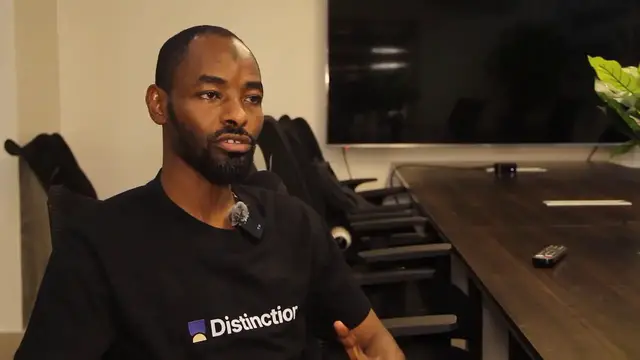
Abuja, Nigeria - August 29, 2026 In Abuja, software developers work around a conference table, writing code and building tools aimed at changing how students and educators access learning. Among them is Distinction AI, an education platform using artificial intelligence to help lecturers prepare learning materials and give students access to personalised support. For Idris Abba, an accountant and lecturer at Santuval Academy, the need for a different approach became clear as his institution struggled with the limitations of physical classrooms. “We were having challenges at our centre, because we rent classrooms, physical classrooms, and we discovered that the generation of students we are teaching don't like sitting in one place for a very long time,” Abba says. Abba now conducts remote lectures from a conference room, using a laptop to connect with students through an online classroom. During one session, taxation materials are open on his screen as he explains a concept to his students. The shift has also changed how he prepares his classes. “What used to take us days to develop, like our lecture plans, lecture notes, and other resources, usually it takes us days and consume a lot of our time. But with Distinction, we were able to do that within minutes,” he says. The platform has allowed Santuval Academy to reach students outside its physical classrooms, Abba says, while reducing the institution's reliance on rented classrooms. At the Abuja office of FlexiSAF, developers and other team members work on laptops as they build and refine digital products. Hamid Bashir, a product manager of Distinction AI, says his own career began in the oil and gas sector before he shifted his attention to education. “I started my journey in the oil and gas sector, but as time went on, I realized to make much impact, we need to be in the educational sector, to provide solutions for schools, institutions, for learners, and teachers, and lecturers, and beyond,” Bashir says. For Bashir, one of the problems AI can address is the difficulty students face when learning in large classrooms. He remembers his own experience as a student, when a lecturer could have many students to teach at the same time. “Even myself when I was in school, a lecturer is in the class, you are too many, you are crowded, you can't understand or you don't... you are not able to follow,” he says. Students often had to look for additional resources and tutorials to supplement what they received in class, he says. Bashir says Distinction was developed to provide another layer of support by giving students access to an AI tutor that can respond to their individual learning needs. “So with Distinction, what we are able to do is now to give each and every student that personal, one-on-one tutor,” he says. The challenge is not limited to students. Umar Adam Ibrahim, a computer scientist and AI researcher, says large class sizes can also reduce the time lecturers have for work beyond preparing and assessing students. “Imagine a single person, a single lecturer, managing 400 to 600 students in 100 level,” Ibrahim says. He says lecturers dealing with large numbers of students can spend significant amounts of time preparing teaching materials, setting questions and marking scripts. “Now, it takes away what the lecturer is supposed to be doing, which is mentorship, training, and engagement of the student, and also doing research,” he says. Ibrahim says the administrative workload can leave lecturers with less time for research, student engagement, mentorship and community service. “He spend more of his time creating slides, right? Marking scripts, setting questions, marking these particular questions at the end of the day,” he says. “The lecturer does not really have a time for research, for student engagement, for mentorship, and even community services.” At the Distinction AI office, developers continue working on the platform, reviewing text on screens and monitoring its systems. For the team, the technology is being developed around a specific challenge: how to give educators tools that reduce some of the work involved in teaching while giving students more opportunities to learn at their own pace. The platform is one example of how AI is being introduced into education in Nigeria, where educators and technology developers are experimenting with ways to supplement traditional classroom teaching. For Abba, the experience has moved learning beyond the limits of a rented classroom. Students can connect remotely, access materials and study according to their own schedules. For Bashir, the focus is on providing students with individual support where lecturers may have hundreds of students to manage. And for Ibrahim, the potential value lies not only in helping students, but also in giving lecturers more time to focus on the parts of their work that technology cannot replace. As traffic mo
Show More Show Less #news