
Democratic Republic of the Congo: Ebola fears keep pregnant women away from medical centers in DRC.
Aug 17, 2026
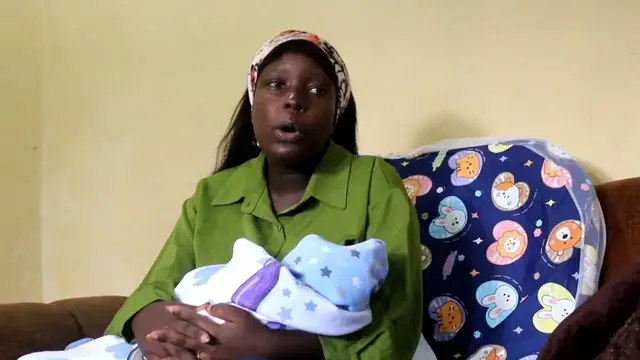
Shotlist Bunia City, Ituri Province, Democratic Republic of Congo - Recent (CGTN - No access Chinese mainland) 1. Various of pregnant women 2. Leonie Banana, midwife of Elikya Hospital, sorting items on shelves 3. Incubator in medical facility 4. SOUNDBITE (French, dubbed in English) Leonie Banana, midwife, Elikya Hospital: "When women miss appointments, it becomes difficult to know in time if the fetus has a problem. We can sometimes detect these complications before they become serious. But when women stay home for fear of infection, we see more complications, including stillbirths and premature births." 5. Mother Janviette Ishara cuddling newborn baby 6. Personal hygiene kit 7. Various of Ishara taking care of her baby 8. SOUNDBITE (French, dubbed in English) Janviette Ishara, new mother: "It was really stressful because I was in a clinic near the Ebola treatment center. Even when the nurses and midwives came to see us, it sometimes traumatized me. We had also witnessed many Ebola-related deaths. I thought to myself, 'Lord, I don't want to risk catching this disease.'" 9. Midwife checking items in medical facility 10. Various of medical facilities inside room 11. Various of Yazid Yacim, medical director of Elikya Hospital, working on laptop 12. SOUNDBITE (French, dubbed in English) Yazid Yacim, medical director, Elikya Hospital: "Several healthcare facilities were closed for a period of time. We too were closed for 21 days. Healthcare staff were quarantined to ensure that no one showed any signs of the disease and thus prevent any potential contamination of patients. Then, we disinfected the entire facility before reopening it to patients. I would like to reassure women that the hospital is now safe. It is better to come here for treatment than to manage complications at home." 13. Various of temporary hospital; medical workers in protective suit 14. Medical worker washing hands 15. Man outside temporary hospital; medical worker in protective suit Storyline An ongoing Ebola outbreak in Ituri Province of the Democratic Republic of the Congo (DRC) is increasingly blocking access to routine health services, with medical workers warning that the fear of infection is driving expectant mothers away from clinics and putting both women and newborns at greater risk. The DRC has recorded 4,945 confirmed cases, including 2,325 deaths, since the current outbreak began earlier this year, putting the case fatality rate at 47 percent, according to a situation report released Sunday by the country's health authorities. The latest death toll has now surpassed that of the 2018-2020 Ebola outbreak in eastern DRC, making the current epidemic the deadliest Ebola outbreak ever recorded in the country. Fears over the spread of the disease means many are choosing to stay away from medical facilities. At the Elikya Hospital in the provincial capital Bunia, some staff say prenatal attendance has fallen despite efforts to reassure pregnant women and encourage them to continue regular checkups. Midwife Leonie Banana said missed appointments can prevent early detection of problems that can often be managed if caught in time. "When women miss appointments, it becomes difficult to know in time if the fetus has a problem. We can sometimes detect these complications before they become serious. But when women stay home for fear of infection, we see more complications, including stillbirths and premature births," she said. The anxiety is palpable among those who do seek care. Janviette Ishara, a new mother who delivered during the outbreak, described the emotional strain of being treated near an Ebola treatment center, and said the surrounding environment and memories of Ebola-related deaths heightened her fear. "It was really stressful because I was in a clinic near the Ebola treatment center. Even when the nurses and midwives came to see us, it sometimes traumatized me. We had also witnessed many Ebola-related deaths. I thought to myself, 'Lord, I don't want to risk catching this disease,'" said Ishara. The United Nations Population Fund (UNFPA) said the indirect impact of the outbreak is showing up in maternal mortality figures. According to UNFPA, maternal deaths rose from 3.1 to 5.8 per week between May 25 and July 19 this year. National data also indicated that deaths occurring outside healthcare facilities nearly doubled, a trend that health experts often associate with delayed care and untreated complications. To limit the risk of infection, healthcare teams continue to strive for continuity of care, while enhancing Ebola safety protocols. "Several healthcare facilities were closed for a period of time. We too were closed for 21 days. Healthcare staff were quarantined to ensure that no one showed any signs of the disease and thus prevent any potential contamination of patients. Then, we disinfected the entire facility before reopening it to patien
Show More Show Less