0:00
You've heard of the term alpha male, the strongest and most dominant in the pack
0:05
but what if I told you that idea may have never been real to begin with
0:09
A new study is shaking up what we thought we knew about power in the animal kingdom
0:14
and even how we define it in humans. The study published Monday in PNAS shows researchers studied over 100 primate species
0:26
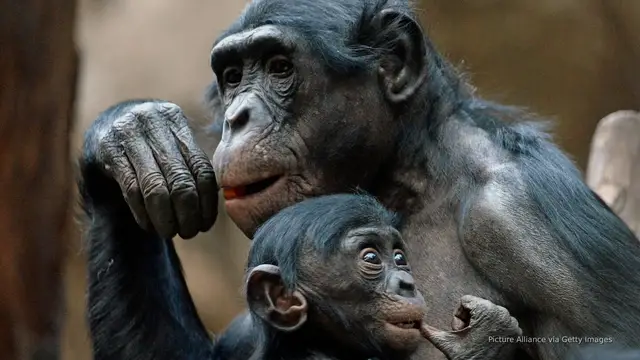
including a range of monkeys and lemurs. They found that male-dominated hierarchies are rarer than you'd think, and in fact, females often share or even contest power
0:37
In only 17% of populations, males won the vast majority of female-male conflicts
0:43
In the rest, either power was shared or females took the lead
0:47
The original alpha male concept came from 1970s wolf research based on captive animals, but even the biologists who coined it later recanted it
0:57
In actuality, the way they get there is merely by mating with a member of the opposite sex, producing a bunch of offspring, which are the rest of the pack then, and becoming the natural leaders that way, just like with a pair of humans producing a family
1:12
It describes a lone wolf who operates outside traditional hierarchies. The term is both praised and criticized and even made its way into kids media
1:22
Let's say your friend is doing their own thing, focusing on their goals and not worrying about what others think
1:28
You can say you're such a sigma. A 3D animated video of Dora the Explorer described a sigma as confident, a leader and a trendsetter
1:39
But that post was removed after viewers blasted it online. And as for us humans, well, researchers say we fall somewhere in the middle, neither strictly male nor female dominated
1:50
With Straight Arrow News, I'm Kennedy Felton. Download our app or visit san.com for more