Up next in 10



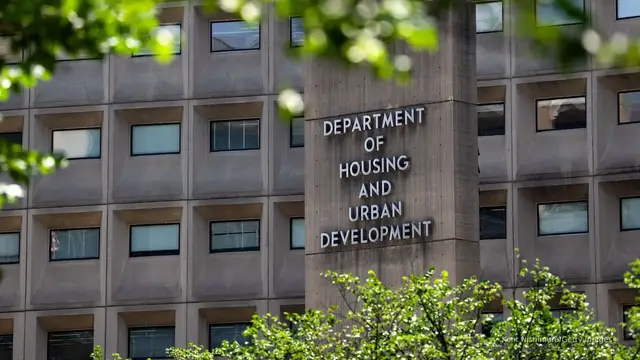
HUD issued new rules that change how homelessness programs are funded. They limit permanent housing dollars and increases competition.
Show More Show Less View Video Transcript
0:00
The U.S. Department of Housing and Urban Development is introducing changes in how communities fight homelessness
0:06
The agency just released new rules for 2025, and providers across the country say these changes could completely rewrite how people get help
0:17
The Continuum of Care program is the main federal funding stream communities use to respond to homelessness
0:23
It runs on about $3.5 billion a year and supports hundreds of thousands of people nationwide
0:30
This year, it's closer to $4 billion. That includes older adults, people with disabilities, veterans, and families who need stable housing for safety reasons
0:39
So why does all of this matter? These rules could change how communities respond to homelessness in a very short time
0:46
For years, communities could count on most of their funding being safe
0:50
About 90% was locked in. Now, only 30% is guaranteed. That means 70% of the money communities use to keep people housed is suddenly up for competition
1:02
If a community loses points in scoring, they can lose critical programs
1:06
HUD says communities can only spend 30 of their funding on permanent supportive housing and rapid rehousing The Urban Institute says permanent supportive housing is the most effective way to help people
1:18
leave homelessness and stay stable long term. Studies show permanent housing reduces time
1:23
spent unhoused, improves housing stability, cuts arrests and jail stays, reduces emergency room
1:29
visits and improves overall quality of life. It even helps lower a community's rate of chronic
1:36
homelessness. In comparison, the Urban Institute says transitional housing does not show the same
1:42
results. People get into housing at a slower rate, are less likely to remain housed, and still rely
1:48
on public assistance. There is no evidence that transitional housing reduces homelessness or
1:53
successfully houses people facing long-term or repeated homelessness. HUD's own documents show
2:00
how big the drop is. Nearly 87 percent of next year's funding was set to support permanent housing
2:06
but under these new rules, it is capped at just 30 percent. A HUD briefing says about 170,000
2:13
people could be at risk of losing housing because of these cuts. Another big shift is that almost
2:18
every program has to compete Youth housing projects and domestic violence programs that once had extra protections no longer do They have to be ranked and scored like everyone else HUD also created new reasons a project can be rejected
2:34
Programs can be denied money for using racial preferences, for using any definition of sex that is not binary, or for engaging in harm reduction
2:43
When HUD talks about harm reduction, they mean basic safety steps like
2:47
providing safer use supplies to prevent disease or giving people Narcan to reverse an overdose
2:54
These are common tools used in many shelters and outreach programs to keep people alive and safe
3:00
The National Low Income Housing Coalition says the new scoring rules push communities toward models focusing on camping bans
3:07
mandated services and strict public safety measures rather than on housing that actually works
3:13
The National Low Income Housing Coalition says the late release could create serious funding gaps
3:19
Applications are due January 14th, but awards do not arrive until May
3:24
About one-third of all grants expire before then, which means many programs could run out of money even if they are renewed
3:31
That could lead to service cuts temporary shutdowns and more people losing housing as funding lapses HUD is also shifting priorities Projects requiring services offering treatment on site or partnering with law enforcement get more points
3:46
Communities also get points for having laws against camping or illegal drug use
3:50
and for enforcing them. This gives more weight to public safety approaches
3:54
and could affect how outreach work is done. New rules change what programs even look like
4:00
Transitional housing must offer 40 hours of services a week. Rapid rehousing must require services and show job gains
4:08
New supportive housing must focus on older adults or people with physical disabilities
4:13
and also require participation in services. The scoring system is different too
4:19
A new merit review decides who gets funded. And in Tier 2, projects can earn extra points for requiring services
4:26
That means voluntary support models that have been standard for years may start with fewer points
4:32
HUD also expanded its risk review. Now it can deny funding based on media reports, findings from the inspector general, or public complaints
4:42
For Straight Arrow News, I'm Kaylee Carey. Read the full story right now on SAN.com or download the Straight Arrow News mobile app today
#news
#Poverty & Hunger
#Welfare & Unemployment
#Housing & Development