Up next in 10



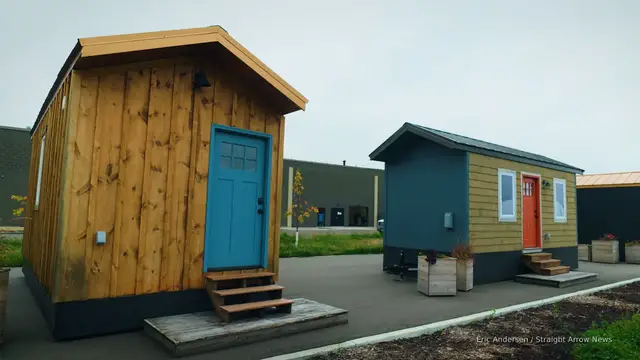
Tiny home communities — and good neighbors — might be vital in the fight against homelessness. Here’s how.
Show More Show Less View Video Transcript
0:00
About a decade ago, our family moved to Minnesota for me to get a doctorate in housing
0:10
A few years into the program, I really sensed God was saying it was time to look at poverty
0:14
in my own backyard. This is not a housing problem. This is not a social service problem
0:19
This is, yeah, just a poverty of relationship and a loss of family
0:30
I moved up here from Kansas in 2018. And I met my brother for a while
0:43
He ended up losing the house, and I ended up on the street. And I was in a tent down by the river
0:51
It got really cold one year. It was like 40 below. and some people from a different church came out
0:58
and collected everybody they could find that was out there and put us up in a hotel
1:03
Most people out there haven't been there that long. I mean, it could happen to anybody
1:10
Just some freak, you know, mishap or something crazy happens in your life
1:15
Yeah, most of the homeless people out there aren't like, I know what the preconceived notions are
1:29
You know, I wasn't homeless. There was times when I was making really good money, had a nice house, had a nice car, everything
1:39
The people that I've noticed are chronically homeless, have that severe trauma or family breakdown
1:44
and don't have those relationships to really support a healthy life. When you go through something, if you don't have someone to turn to and it's just yourself
1:52
it's a lot to depend on yourself. I think the biggest general thing that I've heard that I definitely think isn't true
1:59
is that people who are chronically homeless kind of got themselves into those situations
2:06
Like I said, I'll often say people get into chronic homelessness from a catastrophic loss of community
2:12
especially from a young age. You know, I tend to shy away from people standing on the corner
2:19
no signs and stuff. Even though I knew for the most part that they weren't
2:28
they're not all, you know, drug addicts and thieves and whatever else people think
2:35
They're just stuck in a position that once you get there, it's really hard to get out of
2:42
if you find a job trying you know here nothing's consistent there's no consistency
2:53
the health care system was kind of waving their white flag saying this is really costly our
2:59
neighbors are coming into the er um you know feigning an illness essentially for a bed and a
3:04
meal because we we lack um enough support to help our neighbors one of those major barriers was local
3:11
zoning and also the spirit of NIMBYism not in my backyard sentiments right And we discovered the Religious Land Use Act There was a church in St Paul that was in a lawsuit with the city of St Paul in the federal courts
3:26
because they had opened up a day respite center in their church basement
3:30
And the city had put significant restrictions on them operating that day respite center for the homeless
3:37
And ultimately, they landed on the Religious Land Use Act. They won in federal courts and saw the strength of that federal law
3:49
Settled was working with legislators to come to this agreement legislation to be able for churches and religious institutions to be able to use their land to provide housing for the chronically homeless
4:05
Minnesota is the first to have this legislation. It's the religious land use that we can provide these homes for formerly chronically homeless neighbors
4:16
And there is a description of what that is. It's three years, I believe, you've been homeless and unstably housed
4:25
It's awesome. There's a lot of community. It's a different way of living for sure
4:31
But we felt called to come by the Lord. So we came and it's just nice
4:36
I moved in fairly recently, end of May. I actually housed that a few times for, they always like to have someone in the home
4:44
So if someone's out of town for like the week, they like to have someone in there
4:48
So I had the opportunity to do that a few times and I really loved it
4:53
So our homes are sponsored and built by other faith communities that maybe aren't ready to put a sacred settlement on their land or don't have the land to do that
5:03
but can participate in this movement by building one home and lifting one person up off the streets
5:13
We're building homes as if we were building them for ourselves. You know, when you stay in a place, you build stability
5:20
You build stability with yourself, with the neighborhood, with the relationships that you're in
5:24
And so we want to be building something that is, yes, affordable, but really has that sense of home
5:32
We are in such close relationship with our neighbors that we're pretty attuned to the things that go on
5:38
But we're not a social service agency. We really advocate for them to connect with a therapist or a social worker, people that have the skill
5:47
The missing piece is the relational piece. At the end of the day, who is looking at our neighbors in the eye and saying, you're of great value
5:55
Looking at them with awe and delight and wonder and saying, like, I'm so glad to be with you
6:01
We're certainly not solving the problems of everybody. I like having a friend who always says we throw our rock as hard as we can
6:07
We're attempting to make a difference in people's lives, but it's not life is complicated
6:14
You don't solve everybody's problems with it. A home doesn't solve everybody's problems
6:19
but it certainly is a good place to start. What I've realized is everything is temporary. This is all temporary, and we're meant to love each other
6:26
and share while we're here, And I think that being here has taught me that I mean just in giving you receive There a ratio of how many intentional neighbors versus invited neighbors
6:39
So that's where we fit with the kind of two to one ratio of having the invited neighbors and intentional neighbors
6:46
Neighbors help in the neighborhood cutting trees and doing lawn care and helping with odds and ends
6:53
and the neighborhood comes and gardens at the sacred settlement and comes to the block parties
6:58
and comes trick-or-treating throughout the tiny homes, like there is a reciprocity
7:03
There is a true friendship between the neighborhood and the sacred settlement
7:10
What goes into being an intentional neighbor? I mean, is there any difference from just being a neighbor anywhere else
7:16
It means like you're intentionally coming in to live alongside the chronically homeless
7:20
Like we're all on the same level. It's intentional. Like we're coming in knowing that we're moving alongside our neighbors coming out homeless
7:29
And we're going to be support and anything could happen. And we're willing to walk alongside and be a friend and be a family member, whatever they need
7:40
I'd say it's fairly similar, except the way the community is set up is that you're interacting with people a lot more
7:46
After the first time I house sat here, I went back home and one of my neighbors was outside
7:52
And I had this urge to go talk to them because that's what I'd been doing the whole week I was here
7:57
But part of me stopped because I'm like, that's not what I'm supposed to. It felt disruptive
8:03
But I ended up going and talking to them and we had a great chat. So I think there felt like a freedom to engage with people
8:10
I mean, I think it's kind of the name, Intentional Neighbor. I think it's really just what being a good neighbor is, but for me personally, I've been more intentional about spending more of my time in this community
8:23
It wasn't just until recently, you know, that I got caught up with this whole homeless thing, and I had help get out of it
8:37
A lot of help, which made the whole difference. I don't know where it will probably still be out there
8:46
If somebody hadn't stepped up to help pull me out. Shelters are near temporary
8:54
I would say that emergency shelters are quick solutions, or transitional housing is a quick solution
8:59
At Settled, we've codified a model that we call full community. And essentially it says, what do our neighbors on the streets need
9:06
in order to live a whole life. And the beautiful thing is that
9:10
they need the same things that you and I need. They need neighbors to lean on
9:14
They need purposeful work to do. They need permanent homes to dwell in
9:18
They need friends to trust. They need places to cultivate. And so that's what we call the full community model
9:24
They do pay rent to live here. So it's not free housing
9:30
It's deeply affordable housing. About how much are we talking about? I would say under $300 a month
9:39
And our neighbors have the opportunity to receive rent credits. So if they you know do some kind of service around the church they can earn up to off of their rent I think there often oftentimes people are valued for what they can like monetarily contribute
9:58
And so if you're someone who doesn't have like a full-time job, oftentimes I think you can get overlooked
10:03
And I think the government does help in some ways with that, but I definitely think in the issue of like homelessness
10:09
they could be doing more, even if I don't know specifically what those steps
10:13
the next steps for that would look like. Often we look away from the hardest to house because of things like mental illness and substance use
10:21
We also have a point of view at Settled where there's no substitute for proximity
10:26
And so inviting the most vulnerable home onto our land, into our buildings, into our lives for reciprocal, enduring relationship means that healing is going to come
10:37
It helps knowing the past because in dealing with other people, knowing their past or knowing my past and things I've gone through, I can help them with, you know, what different issues they might be having or at least understanding
11:04
And if I can't help, you know, at least understanding. There's always somebody around
11:13
You know, if you need something or want to just talk to somebody
11:17
you need some advice or something, there's always somebody around that you can go to or just run into
11:29
It's like a big family. I think it's eye-opening as in our neighbors are so kind and loving, and they have taught us a lot of things
11:40
We've been sharpened in weight. Like, I'm kind of socially awkward and kind of an introvert, but it's helped me to be more extroverted or have more courage
11:49
I probably would have liked to be an intentional neighbor if I wasn't just a neighbor, you know, in a way
11:58
to this. I mean, it's kind of the same in a lot of aspects
12:02
You know, it's really secret that way. It's been uplifting, but also there are so many more people that need help. So I guess
12:10
it's like, come on, people, bring more people along for the journey, I guess. I don't know how to describe
12:18
it, but yeah, I would say overall it's been a great blessing in my life
12:22
It's like this divine gift for faith communities to use their land to help the most vulnerable in our community and to then also be an asset to our
12:32
states, to our nation by creating truly affordable housing. We are a landing place and a relationship
12:39
and a place that, you know, they can live and thrive. It is not a fix-it model. It's not a
12:46
time-limited model. It is come as you are, come and be here, settle here, grow deep root
12:53
rebuild trust with yourself, with God, with others. Become who you were always designed to be
13:01
For more in-depth reporting, download our app or go to san.com
#news
#Poverty & Hunger
#Housing & Development