0:10
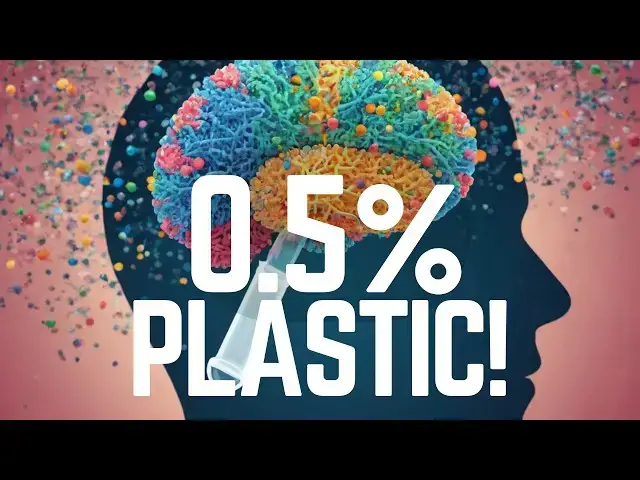
a recent study found that human brain
0:12
samples collected in early 2024
0:15
contained significantly more
0:17
microplastics than those collected in
0:20
2016 specifically researchers discovered
0:23
that about 0.5% of the average weight of
0:26
these brain samples was made up of
0:28
microplastics a figure that that shocked
0:30
the scientific Community we anticipated
0:33
the brain would be protected from the
0:34
Plastics and were completely wrong said
0:38
campen our initial thoughts were that
0:40
the liver would bear the brunt of the
0:41
absorption from all the food we eat and
0:45
Plastics these findings were so
0:47
unexpected that campen had the results
0:49
verified by another lab which confirmed
0:52
the alarming levels of
0:56
microplastics the study led by Dr
0:59
Matthew campen a toxicologist at the
1:02
University of New Mexico has yet to be
1:04
peer-reviewed but it builds on his
1:06
earlier peer-reviewed studies showing
1:09
microplastics in human placentas and
1:11
testicles in this latest investigation
1:14
researchers examined brain tissue from
1:16
24 individuals and compared it to kidney
1:19
and liver samples from 92 people
1:22
revealing that the brain contains 7 to
1:24
30 times more microplastics than these
1:27
other organs this higher concentration
1:29
in the brain suggests that microplastics
1:32
are particularly Adept at penetrating
1:38
tissues microplastics are tiny particles
1:41
of plastic smaller than 5 mm that come
1:45
from the breakdown of larger plastic
1:47
items or are intentionally manufactured
1:49
such as microbats in some skincare
1:52
products due to their size and
1:54
resilience microplastics do not easily
1:56
biodegrade and can infiltrate various
1:59
parts of the body including the brain
2:02
the study found that the microplastics
2:04
in the brain were predominantly
2:06
nanoplastics these tiny fragments are
2:08
concerning because they can cross the
2:10
bloodb brain barrier a defense mechanism
2:12
that protects the brain from harmful
2:14
substances Plastics love fats or
2:17
lipids campen explained one theory is
2:21
that Plastics are hijacking their way
2:23
with the fats we eat which are then
2:25
delivered to the organs that really like
2:27
lipids the brain is top among those
2:34
despite the alarming presence of
2:36
microplastics the study does not confirm
2:38
that these particles cause harm to human
2:41
health experts caution that more
2:43
research is needed to understand how
2:45
microplastics interact with brain cells
2:47
and whether they have toxicological
2:49
consequences Dr Phoebe Stapleton an
2:52
associate professor of pharmacology and
2:55
toxicology at Rucker University noted it
2:59
is unclear clear if in life these
3:01
particles are fluid entering and leaving
3:03
the brain or if they collect in
3:05
neurological tissues and promote disease
3:08
thanks for watching if you found this
3:10
video interesting don't forget to like