Up next in 10


11 Signs You Have Unhealed Trauma
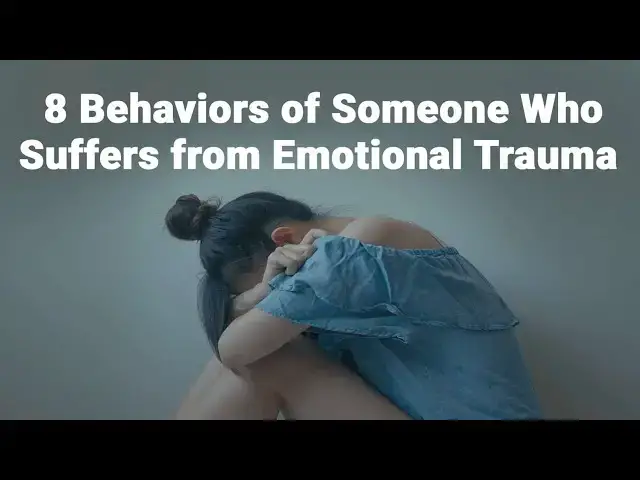
Many people experience unresolved trauma. It has a negative effect on mental health, especially if the suffering occurred when the person was a child or adolescent. The most typical symptoms of post-traumatic stress disorder include anxiety, despair, and inexplicable discomfort. However, it can present in many various ways. Unhealed trauma victims also experience low self-worth and low self-esteem.
Recognizing the symptoms of unhealed trauma is the first step toward recovering from traumatic events, even while the painful emotions - such as loss, remorse, despair, or betrayal - are too much for the mind to handle at the moment.
Subscribe For More :https://www.youtube.com/channel/UCZp75p2u4885gsne8d2AcXg
OTHER VIDEOS TO WATCH:
People Who Like To Be Alone Have These 12 Special Personality Traits
https://www.youtube.com/watch?v=cfJZDhaKbTE&t=184s
10 Signs Your Partner Doesn’t Love You (Even If You Think They Do)
https://www.youtube.com/watch?v=KCJWbnKFXmo
Do You Often Wake Up Between 3 AM and 5 AM?
Show More Show Less View Video Transcript
0:00
11 indices that your trauma hasn't
0:02
healed trauma affects almost everyone in
0:04
some capacity at some point in their
0:06
lives trauma related severe distress can
0:09
strike at any age and persist for years
0:12
it has a serious negative influence on
0:14
Mental Health particularly if the
0:16
suffering was endured in childhood or
0:18
adolescence we seldom take the necessary
0:21
steps to heal from traumatic situations
0:24
even though we may be aware that some of
0:25
the experiences in our lives were
0:27
unpleasant because of what often when
0:31
faced with intense feelings such as
0:33
betrayal loss remorse or sadness our
0:37
minds cannot handle them we bury those
0:40
sentiments and thoughts into our
0:42
subconscious Minds where they cause
0:44
chaos rather than analyzing them we give
0:47
our trauma permission to quietly ruin
0:49
our lives when we ignore it accidental
0:51
healing never heals trauma only
0:54
deliberate deeds and thoughts can allow
0:56
your mind to be healed take a look at
0:58
these indicators of unhealed trauma if
1:00
you believe you've moved past your
1:01
trauma or that your events weren't that
1:03
traumatic first place poor self-image
1:07
even within the category of distinct
1:09
trauma types each person's experience
1:11
will vary trauma however usually results
1:15
in a decrease in our sense of self the
1:17
victim May doubt their own value
1:19
particularly if the experience dates
1:21
back to their early years you begin to
1:24
believe that you are worthless when you
1:25
are treated as though you are not a
1:27
valuable human being according to
1:29
studies people with PTSD are more prone
1:32
to have emotions of worthlessness and
1:34
extremely low self-esteem whether you
1:37
are the victim of abuse assault
1:39
desertion or something else entirely
1:42
consider your identity how does it make
1:44
you feel to look in the mirror at
1:46
yourself why two number two building
1:50
walls do you give your feelings of
1:52
sadness disappointment or agitation
1:55
enough time to be felt and processed do
1:58
you exercise write in a journal weep
2:02
spend time with yourself or vent in any
2:04
other healthy way if your response is
2:07
negative or you're thinking I never feel
2:09
that way you're probably shutting both
2:11
people and yourself out building a wall
2:13
is a typical trauma response expressing
2:16
your emotions from the past probably led
2:18
to the accumulation of bad sentiments
2:20
that came from not receiving the
2:21
assistance you required these walls
2:23
typically resemble fear Rage or silence
2:27
building these walls is the worst thing
2:29
you can do since it keeps you cut off
2:30
from other people yourself and your
2:33
feelings you don't know who you are what
2:35
matters to you or how you feel you can't
2:38
ignore your sadness you lose your
2:41
ability to be joyful when you block out
2:43
the bad feelings you block out Comfort
2:46
joy and happiness you start to lose all
2:49
empathy and care about nothing at all
2:52
you must develop appropriate coping
2:53
strategies and safe emotional processing
2:56
techniques if you hope to recover from
2:57
your trauma and this emotional numbness
3:00
number three wary of positive shifts do
3:03
you hesitate when something wonderful a
3:05
career advancement a romantic interest
3:08
or just plain Good Fortune enters your
3:11
life do you truly believe that nice
3:13
things pass quickly your traumatic
3:15
experiences may be the reason behind
3:17
your resistance to constructive change
3:20
human nature teaches us to expect the
3:22
unexpected it can also be the outcome of
3:25
your low self-worth you will believe
3:27
that you are undeserving of happiness or
3:29
positive postive if you feel inadequate
3:31
you may experience shame or remorse
3:33
about receiving a reward when positive
3:36
things happen in your life and you feel
3:38
undeserving guilty or ashamed you're
3:41
most likely still dealing with
3:42
unresolved trauma number four difficulty
3:46
in seeking assistance do you find it
3:48
difficult to express your feelings to
3:50
other people if the response is in the
3:52
affirmative or if you have never told
3:54
anybody about your trauma it may
3:56
indicate that you find it difficult to
3:58
ask for assistance do you find it hard
4:00
to ask for help even with little things
4:02
in your life your previous mistreatment
4:05
may be the root of your aversion to rely
4:07
on others perhaps you're terrified of
4:09
being judged rejected or disappointed do
4:12
you fear coming out as weak or that you
4:14
won't get the assistance you really
4:16
require the fifth is fear of failing
4:19
fear of failing is a universal emotion
4:21
even among those who have not experience
4:23
severe trauma however if your fear gets
4:27
so great that it keeps you from
4:28
exploring new areas picking up new
4:30
abilities or doing new activities it
4:33
might be a dangerous indicator of
4:35
unresolved trauma the art of success
4:37
lies in trying again after failure your
4:40
situation won't go better on its own if
4:42
you're so terrified of failing that you
4:44
miss out on opportunities stifle your
4:46
creativity and develop insecurities
4:49
unresolved trauma might lead to false
4:51
beliefs that you're never going to be
4:53
the best that you're not good enough or
4:55
that you're a failure forever the sixth
4:58
is fear of success
5:00
repressed trauma on the other hand
5:02
results in a fear of achievement though
5:05
it may sound odd pay attention to this
5:08
success related anxiety is linked to
5:10
Childhood abandonment trauma you stop
5:12
yourself from reaching your goals as a
5:14
result of it it comes from a concern
5:16
that you might acquire it and then lose
5:18
it not from a fear of not obtaining it
5:21
your chances of success could be ruined
5:23
by this trauma response even before you
5:25
start seventh excessive planning when
5:28
things don't turn out the way you had
5:30
hoped how do you feel it could irritate
5:33
you however do you let that feeling to
5:36
surface and then go away or do you cling
5:38
to it after experiencing trauma a victim
5:41
may find that having control over their
5:43
life is crucial after all in these
5:46
situations we are totally out of our
5:48
control if you find yourself
5:50
overpreparing it may indicate that you
5:52
are afraid of being vulnerable and
5:54
ultimately powerless overthinking
5:57
micromanaging and constant con concern
5:59
are all indicators that you don't trust
6:01
people or yourself and they're
6:03
frequently symptoms of deeper trauma
6:05
number eight difficulty concentrating
6:08
trauma Alters our brain physiology which
6:11
in turn modifies our psychology
6:13
memorization loss and concentration
6:15
problems are quantifiable after effects
6:17
of traumatic situations if you have
6:20
trouble thinking clearly or encounter
6:21
inexplicable blackouts don't hold it
6:24
against yourself it can be your mind's
6:26
method of alerting you to a need for
6:28
assistance nine injuring others or
6:31
yourself our emotions and behaviors go
6:34
crazy after experiencing trauma when
6:36
we're Joyful We behave sad when we are
6:39
depressed we behave angrily additionally
6:43
Behavior intensifies along with the
6:45
intensity of emotions it may be related
6:47
to your trauma if you become angry push
6:50
people away or withdraw from people when
6:52
you're struggling and need support you
6:54
might inadvertently exacerbate your
6:56
mental illness and cause emotional
6:58
distress to yourself
7:00
you run the risk of hurting the ones you
7:01
love by distancing yourself occasionally
7:04
this mental anguish becomes overwhelming
7:07
and you may injure yourself or other
7:09
people physically oversensitivity
7:12
erratic behavior and rage are symptoms
7:14
of trauma that can easily spiral out of
7:16
control consider whether your frequent
7:19
outbursts of Rage could be connected to
7:20
your traumatic experience number 10
7:24
anxiety and depression even if a trauma
7:26
occurred a very long time ago victims
7:29
May experience anxiety and despair as a
7:31
result of it if you are constantly tense
7:34
you may have chronic anxiety which is
7:36
characterized by extreme worry panicking
7:39
over commonplace events might be brought
7:41
on by anxiety your pulse quickens you
7:44
experience lightheadedness and you long
7:46
to vanish excessive Melancholy is one of
7:49
the symptoms of depression do you often
7:52
cry for no apparent cause or for little
7:54
matters this intense Melancholy can be
7:56
hurtful and have an effect on your
7:58
behavior and mental Al processes it's
8:01
not simple to deal with unresolved
8:02
trauma or to live with anxiety and
8:04
sadness regretfully they frequently
8:07
coexist leading to an erratic mental
8:10
state characterized by disorder and
8:12
uncertainty number 11 physical pain that
8:15
isn't diagnosable there are numerous
8:17
ways that stress affects the physical
8:19
body none of which are good for our
8:21
health your body reacts to the stress of
8:24
the trauma even if you are unable to
8:25
recall what happened to cause it it is
8:28
carried by it
8:29
you have to find a method to let go of
8:31
the mental suffering you're experiencing
8:34
it may present as headaches exhaustion
8:36
in the muscles stomach issues or
8:39
inexplicable persistent chest pains
8:42
these symptoms could be the result of an
8:43
unresolved trauma but if your doctors
8:46
are unable to pinpoint the underlying
8:48
reason they might be the effect of
8:50
another condition which of these
8:52
symptoms of unresolved trauma do you see
8:54
if so know that you are capable of
8:56
dealing with your trauma you are capable
8:58
of conquering each and every one of
9:00
these obstacles it is possible to be
9:03
well content and joyful it's now your
9:06
chance as millions of people worldwide
9:08
have previously healed themselves
9:11
identify your issues first next look for
9:14
the answers the help of your close
9:16
friends and family will be necessary you
9:19
can learn coping skills from a licensed
9:21
therapist that have been shown to
9:22
accelerate the healing process you can
9:25
gradually let go of things that no
9:26
longer serve you every day until the
9:28
bird is taken off your shoulders your
9:31
life will transform when you create
9:33
space for self-love fearlessness and a
9:36
sense of wholeness that comes from
9:37
acceptance and healing please like and
9:40
share this video with your friends if
9:41
you think it's helpful so we may
9:43
continue to make more of them click the
9:45
Subscribe button and don't forget to
9:47
click the notification Bell for more
9:49
videos just like this one don't forget
9:51
to watch our other videos as well thank
9:54
you for viewing
#Mental Health
#Social Issues & Advocacy
#Violence & Abuse