Up next in 10


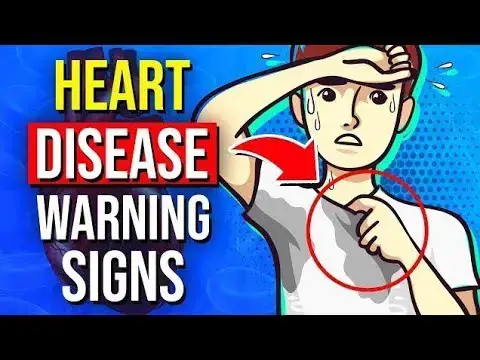
11 Early WARNING Signs Of Heart Disease In Men You SHOULDNT IGNORE
#WarningSigns #healthyeating #HeartDiseases
Heart attacks and coronary artery disease are two examples of the several heart disorders that fall under the umbrella term "heart disease." Heart disease can be caused by a number of factors, including smoking, high blood pressure, and excessive cholesterol.
Heart disease may not always be noticeable and may not be identified until symptoms such as heart attack and heart failure occur. There may be danger in this circumstance. Early detection of heart disease's warning signs and symptoms can be essential to managing it.
Keep watching to learn about the symptoms and indicators of heart disease in today's video!
Subscribe For More :https://www.youtube.com/channel/UCZp75p2u4885gsne8d2AcXg
OTHER VIDEOS TO WATCH:
People Who Like To Be Alone Have These 12 Special Personality Traits
https://www.youtube.com/watch?v=cfJZDhaKbTE&t=184s
10 Signs Your Partner Doesn’t Love You (Even If You Think They Do)
Show More Show Less View Video Transcript
0:00
did you know that heart disease accounts
0:01
for almost 350,000 deaths in
0:05
2017 roughly one out of every four male
0:07
deaths in the country making it the
0:09
leading cause of mortality for males in
0:11
the country hello and happy return to
0:14
our Channel even more startling is the
0:16
fact that no prior symptoms were present
0:18
in half of the men who pass away from
0:20
coronary heart disease heart attacks and
0:23
coronary artery disease are two examples
0:25
of the several heart disorders that fall
0:27
under the umbrella term heart disease
0:30
heart disease can be caused by a number
0:32
of factors including smoking high blood
0:35
pressure and excessive cholesterol there
0:38
are situations when heart disease
0:40
remains silent and is only identified
0:42
after symptoms such as heart attack and
0:44
heart failure occur there may be danger
0:47
in this circumstance early detection of
0:49
heart diseases warning signs and
0:51
symptoms can be essential to managing it
0:54
keep watching to learn about the
0:55
symptoms and indicators of heart disease
0:57
in today's video breath shortness
1:00
breathlessness if you have been having
1:02
trouble breathing even when you are not
1:04
engaged in strenuous work or physical
1:07
activity you may be suffering from heart
1:09
disease heart disease patients
1:11
frequently experience dnia or dnia there
1:14
is a close relationship between the
1:16
efficient pumping of Blood by your heart
1:18
and your breathing in order for blood to
1:20
get to your tissues and take up oxygen
1:22
from your lungs your heart pumps blood
1:25
your breath may become labored if your
1:27
heart is unable to pump blood
1:28
effectively breathing difficulties
1:30
following physical activity may be a
1:32
sign of a heart valve issue and further
1:35
explanation for your dnia could be
1:37
inflammation and cardiac muscle weakness
1:40
chest aches angina often known as chest
1:43
pain is a common sign of heart disease
1:46
the nature and length of the chest pain
1:48
reveal the underlying cardiac condition
1:51
this excruciating ailment can
1:52
occasionally be the harbinger of cardiac
1:54
arrest but it can also persist for years
1:57
without producing any more severe
1:59
symptoms
2:00
a number of symptoms can indicate angina
2:03
such as pain a squeezing sensation
2:06
weight on the chest heaviness in the
2:08
chest or a deep pain that makes it
2:11
difficult for you to breathe the type of
2:13
pain you feel may be acute stabbing
2:15
persistent or fleeting it may linger for
2:18
hours or just a few seconds given that
2:21
you might also experience pain in other
2:23
parts of your body such as your shoulder
2:26
upper or middle back or even your
2:28
jawline you could confuse angina with
2:30
heartb Burner indigestion overindulgence
2:33
in sweating sweating too much sweating
2:36
more than normal may be an early
2:38
indicator of cardiac troubles
2:40
particularly if you are not exercising
2:42
or otherwise Physically Active because
2:44
it takes more energy for your heart to
2:46
pump blood through clogged arteries your
2:49
body sweats more to try to regulate body
2:51
temperature during the extra effort
2:53
additionally clammy skin or cold sweats
2:55
are possible sweating at night is
2:58
another typical sign of cardiac problems
3:01
it's important to see your doctor right
3:02
away if you wake up to wet sheets or
3:04
find that you can't sleep because of
3:06
excessive perspiration these symptoms
3:08
could indicate cardiac problems inflamed
3:11
foot swollen feet another sign of heart
3:14
disease in Mals is edema or swollen feet
3:18
one or both of your heart's lower
3:19
Chambers lose their capacity to pump
3:21
blood efficiently when you have heart
3:23
disease edema can arise from blood
3:25
clotting in your ankles foot and legs as
3:28
a result leaks from your body's tiny
3:30
blood vessels might also result in edema
3:33
swelling results from a fluid
3:35
accumulation in the surrounding tissues
3:37
edema can occur anywhere on your body
3:40
although it is most common in the hands
3:43
arms feet ankles and legs fluid
3:47
accumulation can lead to the
3:48
accumulation of fluid in the lungs
3:51
abdominal edema may arise in the event
3:53
that your heart failure is on the right
3:54
side weariness weary should you find
3:57
yourself feeling worn out when engaging
3:59
and easy low effort tasks you might have
4:02
heart disease fatigue may result from
4:05
potential heart disease because it puts
4:07
additional strain on the heart to pump
4:08
blood through a block spot if you
4:11
frequently feel worn out or drained for
4:13
no apparent cause there may be a problem
4:16
it has been demonstrated that unusual
4:18
exhaustion and insomnia are early
4:20
warning indicators of a heart attack
4:22
fatigue can also occur right before a
4:24
significant heart attack chest
4:27
discomfort and weariness might
4:28
occasionally occur but the nausea may be
4:31
much more noticeable leading you to
4:32
confuse the symptoms for the flu Panic
4:35
heart attacks heart palpitations these
4:38
are Sensations that your heart is
4:40
fluttering beating too quickly or too
4:42
forcefully or skipping a beat heart
4:45
palpitations in the neck throat or chest
4:48
may be felt although they frequently
4:50
disappear on their own and aren't
4:51
dangerous or serious they might be
4:54
unsettling or terrifying palpitations
4:57
May in rare instances indicate a more
4:59
serious cardiac problem if you
5:01
experience fainting dizziness shortness
5:04
of breath or chest pain get medical help
5:07
right away having trouble keeping your
5:10
feet and hands warm having trouble
5:12
keeping your hands and feet warm this
5:14
ailment sometimes called atherosclerosis
5:17
may be a sign of heart disease plaque
5:20
accumulation from high cholesterol can
5:22
cause your major arteries to narrow or
5:24
possibly block it was referred to as
5:27
artery stiffening years ago your heart
5:29
has to work harder as a result of
5:31
reduced blood flow to end from the
5:33
clogged arteries this may result in
5:35
impaired circulation making it harder to
5:38
maintain warmth in your hands and feet
5:41
sorrow in unexpected places pain and
5:44
surprising places chest pain is perhaps
5:46
the first symptom that comes to mind
5:48
when considering heart disorders however
5:51
pain associated with cardiac conditions
5:53
can also affect other bodily regions it
5:56
can appear in your back Mouth left arm
5:59
stomach legs particularly the calves and
6:04
arms this increases your risk of having
6:06
a heart attack because the blood
6:08
arteries that provide blood to other
6:09
areas of your body narrow it takes place
6:12
when plaque and other fatty substances
6:14
accumulate on the artery walls the
6:17
muscles in your feet calves or thighs
6:19
may experience pain achiness exhaustion
6:23
burning or discomfort due to inadequate
6:25
blood circulation to those areas of your
6:27
body walking or exer can frequently
6:30
cause symptoms to arise which then
6:32
disappear after a few minutes of rest
6:35
when you're at rest you can also
6:37
experience pain in your feet or legs
6:39
Additionally the skin on your legs may
6:42
appear pale and they may feel chilly to
6:44
the touch snoring when you sleep when
6:47
you snore while you sleep there may be
6:49
more to snoring when you sleep than just
6:51
being exhausted it's possible that you
6:54
have sleep apnea which increases your
6:56
risk of heart disease your risk of heart
6:59
disease and other cardiovascular issues
7:01
is increased if you have sleep apnea
7:03
breathing may stop for as long as 10 to
7:05
20 seconds as you sleep and this can
7:08
happen multiple times during the night
7:10
if you have sleep apnea the chemicals in
7:12
your brain that control breathing stop
7:14
working if you have severe sleep apnea
7:16
which lowers oxygen levels an increase
7:19
in Adrenaline Cortisone and other
7:21
hormone levels will result from this and
7:24
these hormones are linked to a number of
7:26
heart diseases sleep apnea is associated
7:29
with high blood pressure which raises
7:31
the risk of a heart attack or stroke
7:33
since it interferes with deep sleep and
7:35
produces stress hormones persistent
7:38
cough prolonged cough have you
7:40
experienced a persistent cough that does
7:42
not go away even with medication it's
7:45
likely that you have heart problems a
7:48
chronic cough can be a symptom of a
7:49
number of common ailments including the
7:52
flu bronchitis and colds so it's not
7:55
always an indication that something is
7:57
wrong with your heart however a
8:00
persistent cough may indicate fluid
8:02
accumulation in the lungs a symptom of
8:04
congestive heart failure your heart
8:06
weakens when you have cardiac issues it
8:09
cannot meet your body's needs for oxygen
8:11
at the same rate as a result your lungs
8:14
experience back pressure due to an
8:16
increase in blood pressure within the
8:18
heart a persistent cough or whee that
8:21
may generate flam a thick mucus-like
8:23
substance that may be stained with blood
8:26
can be caused by a buildup of fluid in
8:27
your lungs you will have a persistent
8:30
cough as a result particularly when you
8:32
lie down or exert yourself teeth pain
8:35
and jaw mouth issues jaw mouth and sore
8:39
gums problems you might be asking
8:42
yourself how aching gums could indicate
8:43
a heart condition while it is untrue to
8:46
state that having gum disease such as
8:48
gingivitis means you unquestionably have
8:51
a heart condition there is frequently a
8:53
connection between gum disease and
8:55
cardiac problems your mouth is teeming
8:58
with bacteria and your gums are very
9:00
vascular meaning they are packed with
9:02
blood vessels even a small amount of gum
9:05
layer disruption will introduce bacteria
9:07
into your circulation which can spread
9:10
throughout your body and cause
9:11
inflammation open sores and infections
9:14
in the oral cavity might allow harmful
9:16
substances to enter your heart directly
9:18
and impact its General Health have any
9:21
of these indications or symptoms ever
9:22
affected you which one surprised you
9:25
tell us in the space provided for
9:26
comments below
#Health
#Heart & Hypertension
#Men's Health