Up next in 10



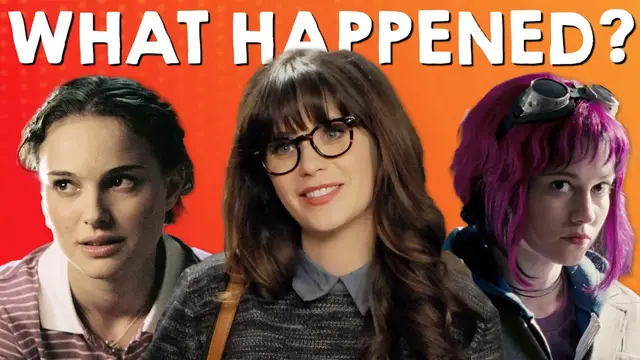
Not that long ago, it seemed the idea of the Manic Pixie Dream girl was all over the media landscape. Movies like Garden State and Scott Pilgrim along side shows like New Girl cemented the idea of the Manic Pixie Dream girl into the cultural zeitgeist. Though looking at film and tv today, it seems the Manic Pixie Dream girl has all but disappeared.
Show More Show Less View Video Transcript
0:00
If you keep eating your hand, you're not going to be hungry for lunch
0:05
Dumb jocks, quiet nerds, and mean girls. These are all well-worn archetypes, and for the most part
0:11
the characters are just as superficial as the terms used to describe them
0:15
But one archetype stands out from the crowd with its brightly colored hair and awkward dance moves
0:20
It's a little more substantive, a little more interesting, and a lot quirkier
0:24
I make a noise or I do something that no one has ever done before, and then I can feel unique again, even if it's only for like a second
0:30
Though these characters used to show up everywhere, they've largely disappeared from modern media
0:34
leaving us with one question. Where are all the Manic Pixie Dream Girls
0:39
When you hear someone say Manic Pixie Dream Girl, you probably have a specific image in your head
0:44
that looks a little something like Clementine, or Mary Elizabeth Winstead as Ramona Flowers
0:48
or Zooey Deschanel in just about everything she's ever been in. Though it should be noted that not all of them deserve the moniker
0:54
You know this one girl with hair like this? Before we can figure out where they've gone
0:58
we first need to make sure we know what we're looking for. So what actually is a Manic Pixie Dream Girl
1:04
Might as well have fun while we can and save the serious stuff for later
1:09
Holy s***, you're a dude. While the term has been retroactively applied to characters in films as early as 1938
1:15
with Katharine Hepburn in Bringing Up Baby and later with Audrey Hepburn in 1961's Breakfast at Tiffany's
1:22
That question is best answered by looking at 2005's Elizabeth Town, and specifically Kirsten Dunst's performance as Claire Colburn
1:29
Critic Nathan Rabin first used the term to describe Claire in 2007
1:33
when he published a retrospective of Elizabeth Town. And while Natalie Portman in 2004's Garden State also gets special mention
1:40
it was Claire who would really become the blueprint for all future Manic Pixie Dreamgirls
1:45
The inimitable collective, them. And who says we're supposed to listen to them
1:50
They do! Claire Colburn is impossibly optimistic. She's a perpetual light in the darkness
1:58
and she's an intriguing distraction from the humdrum activities of daily life But mostly she a prop She has no real goals or ambitions of her own and no character arc to speak of She like all true manic pixie dream girls
2:11
has only one function as a character. She is there to guide our gloomy main character
2:16
through his depressive episode with her adorkable ideas, quirky life advice, and generally unique worldview
2:22
Have the courage to fail big and stick around. Make them wonder why you're still smiling
2:28
Because of this singular purpose, this archetype tends to be found mainly in rom-coms and dramas with romantic subplots
2:35
After Raven coined the term, the acknowledgement and recognition of Manic Pixie Dreamgirls became
2:40
much more widespread. Moving into the 2010s, many critics, both amateur and professional
2:45
were quick to point out the drawbacks of your classic Manic Pixie Dreamgirl. Ramona Flowers
2:49
became the poster girl for Manic Pixie Dreamgirls in the 2010s. She's a perfect example of the
2:55
archetype because her characterization is actually intentional and therefore dialed up to 11. The
3:00
whole point of Scott's story is that he has to learn to fight for himself. I want to fight you
3:05
for me. You got earned the power of self-respect. Rather than the affections of a mysterious girl
3:11
he's fixated on. But just because Ramona's manic pixie dreamness is intentional doesn't necessarily
3:16
make it better. These characters have little in the way of an inner world. They don't have a life
3:21
at all outside of their attachment to the main character. Sure, they may have a tragic backstory
3:25
or one largely insignificant character flaw, but the reality is these characters
3:29
are barely characters at all. I came here to escape, but the past keeps catching up
3:35
I'm tired of people getting hurt because of me. Of course, it's only fair to mention that while most of these characters tend to be women
3:41
the rare manic pixie dream boy has made it on screen as well. Ansel Elgort as Gus in The Fault in Our Stars
3:47
is perhaps the most obvious version of this idea. though Jack Dawson is also a prime example for this
3:53
Manic pixies of every gender offer only a thin veneer of mystery
3:57
and implacable positivity over a shallow, vapid pool of underdevelopment. Oh, babe, you had a crush on me
4:05
That embarrassing We married Still So it should be obvious why public opinion around them began to sour The rising tide of their popularity in media coupled with this growing animosity
4:16
meant that the term manic pixie dream girl was more pervasive than ever
4:20
And like a bad game of telephone, it started to lose a lot of its original meaning
4:24
Similar to the trajectory of the Mary Sue, a once valid criticism of an unrealistic archetype
4:29
became nothing more than a vacuous insult to hurl in the direction of a character
4:33
the audience didn't like. Any person, and particularly any woman on screen
4:38
that bore even a passing resemblance in appearance or personality to a Manic Pixie Dream Girl
4:43
became a target to ridicule. Fully realized characters were dismissed as boring retreads of a tired trope
4:49
Zooey Deschanel and the characters she portrayed were hit the hardest by this new movement
4:54
After she played Allison, an undeniable Manic Pixie Dream Girl in 2008's Yes Man
4:58
alongside Jim Carrey, every quirky role she was cast in was automatically sorted under the same label
5:04
Though the strangest thing was that Deschanel, as a person, became culturally synonymous with the archetype
5:10
She has since spoken up about this odd development, saying she feels the term is inaccurate and a way of making a woman one-dimensional
5:16
And so, in response to this shifting perspective, writers and directors started to shy away from including women in their projects
5:23
that possess any traits associated with the likes of Allison, Ramona, Claire, and their ilk
5:28
In many ways, this is great news for TV and movie fans. Throughout the 2010s and into the 2020s, we've seen a rise in thoughtfully written female characters with expansive interior lives across all genres
5:39
There has been a noticeable shift away from using women as simple props, both in and out of romantic plot lines
5:46
Obviously, that can't be entirely attributed to the pushback against Manic Pixie Dreamgirls
5:50
There are a lot of cultural factors at play here. Hey, why don't we, let's just sit with what we heard
5:58
Are you serious? But while this change is an unambiguously good thing
6:02
it has also provided space for a new and worrying trend to take hold
6:06
That of the cold, disinterested, emotionally unavailable badass. For fear of creating a colorful shell of a character with no substance the pendulum now often swings too far in the opposite direction The new definition of a strong female lead is only strong in the most trivial sense
6:22
As actress Emily Blunt once said in an interview with The Telegraph, that makes me roll my eyes
6:27
I'm already out. I'm bored. Those roles are written as incredibly stoic
6:31
You spend the whole time acting tough and saying tough things. Gone are the days of geeky eccentricities and bizarrely impassioned speeches about
6:39
otherwise ordinary topics. they have been replaced by standing rigidly still, speaking in monotone
6:44
and keeping other characters at arm's length. Rather than truly addressing the problem, we've just replaced one extreme for another
6:52
We have seen nuance be brought to other common character archetypes. Look no further than Stranger Things to see the aforementioned dumb jock
6:59
quiet nerd, and mean girl be elevated past their shallow status and turned into complex people with actual thoughts, feelings, and motivations
7:07
Rather than relying solely on the surface-level understandings of the tropes, they're explored on deeper levels and subverted in ways that make the characters more relatable
7:15
So far, most of the attempts made to do the same with the Manic Pixie Dreamgirls have come up a little short
7:21
Either they fall victim to that trap of taking things too far in the other direction
7:25
or they're far too on the nose. And I hate your pantsuit. I wish it had ribbons on it or something to make it just slightly cuter
7:33
We've seen an uptick in characters who outright remind the audience that they're real people
7:37
and that their life isn't ruled by the perception of others, even while continuing to mostly fit the mold
7:42
of a traditional Manic Pixie Dream Girl. But just because we haven't seen much success
7:46
in revitalizing the archetype yet doesn't mean it can't ever be done
7:51
There is room in our current entertainment landscape for a Manic Pixie redemption
7:55
Arguably, there's more room for it now than there was in the 2000s when they first came onto the scene
8:00
In a world full of Marvel-level threats, where our favorite movie and TV show characters
8:05
are constantly plagued by deadly, serious, world-ending problems and impossibly formidable foes, we need the joy, whimsy, and unceasing optimism of the Manic Pixie Dream Girl
8:15
Now, more than ever, that defining quirkiness just needs to be accompanied by true depth of character