Up next in 10



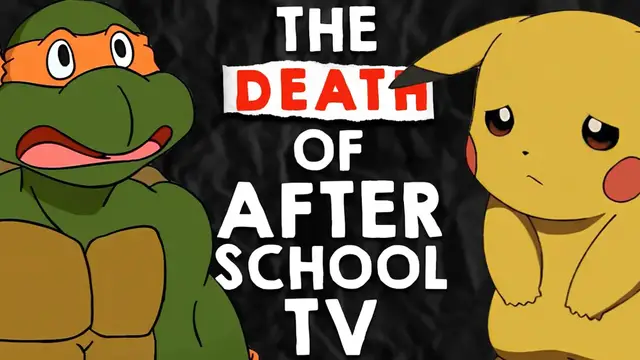
Spider-Man, Pokemon, Teenage Mutant Ninja Turtles, all used to be mainstays in the afternoon lineup when you got home from school. After School TV used to have some of the best kids entertainment outside of Saturday Morning Cartoons. Though as the years have passed, it seems the After School TV of the past has drastically changed. With streaming and social media, it seems the After School TV lineup will soon be forgotten.
Show More Show Less View Video Transcript
0:00
Do you remember how it felt to come home from school, switch on the TV, and settle in for
0:04
a few hours of quality, curated entertainment? Are you hugging the TV
0:08
No. This universal experience spanned decades and crossed generational divides, and yet it
0:15
has practically vanished from our modern existence. So what happened to after-school programming, and will it ever return
0:22
Piggy and the Brain have taken over their very own kids' WB show
0:26
You pondering what I'm pondering? After-school programming is just a subcategory of block programming
0:32
This practice gave consumers more control, which resulted in them tuning in more often
0:36
and for longer periods, and that made advertisers happy in turn. The larger television viewing audience was parsed down into several key demographics for advertisers
0:46
Among these groups, children were understood to be one of the more lucrative. Thus, children's programming blocks began airing on various television networks
0:53
While Saturday morning cartoons were the earliest and most popular implementation of this idea
0:58
after-school programming was its own formidable beast. Exhausted parents or their enterprising children could find age-appropriate TV shows between
1:06
the hours of 2 and 5 p.m. on both local and national networks
1:10
At the time, the most likely suspects were programs like Howdy Doody, Clutch Cargo, Ultraman
1:15
and reruns of classics like Tom and Jerry and Looney Tunes. decades passed eventually howdy duty gave way to he-man and transformers in the 1980s
1:25
more children's programming started to flood our tv screens along with wildly aggressive
1:30
advertisements your favorite heroes would appear in commercials to sell you action figures
1:34
breakfast cereal and just about anything they could get away with that is until parents groups
1:39
and political activists got a little too loud to ignore after years of complaints and lobbying
1:44
the Children's Television Act was put in place in 1990. The CTA aimed to regulate both the type
1:50
and duration of commercials that could be played during children programming blocks It also ensured that the shows themselves held some kind of educational value This meant big changes to children entertainment but in truth the tide had already been changing
2:04
Cynical TV shows made explicitly to sell toys continued to persist. Some of them were even good, but plenty of worthwhile lessons were being taught to kids
2:11
before 1990 as well. Sesame Street and Mr. Rogers' Neighborhood had been a shining beacon of wholesome educational
2:17
content since the late 60s. The first episode of Reading Rainbow aired in 1983 with the stated purpose of maintaining children's ability to read over summer break
2:27
And Fraggle Rock aired the same year, intending to teach kids about diversity and acceptance while simultaneously being a fever dream
2:34
The trash heap knows all. The trash heap tells all. Let's face it, boys, the trash heap is all
2:42
Too true. Too true. But 1990 made these edutainment-type shows a legal necessity
2:47
As such, some TV shows got creative by writing easy lessons of the week about basic educational
2:52
concepts like the X-Men and Spider-Man animated series, while other more explicitly educational
2:58
shows like Captain Planet and Magic School Bus also had their time to shine
3:02
From there, a new nostalgic age of after-school programming was born. Fox Kids, Nick in the Afternoon, Kids WB, the Disney Afternoon, and PBS Kids were by far
3:12
the most popular programming blocks during the 90s. a mix of fresh content and shows from previous decades populated these time slots
3:19
New episodes tended to air on Saturday mornings. Kids who sat down during the week were treated to reruns of legendary TV shows
3:26
like Batman the Animated Series, Rugrats, DuckTales, Ren and Stimpy, and Pokemon
3:31
Enduring aforementioned classics like Tom and Jerry and Looney Tunes also remained in the lineup, withstanding the test of time
3:37
and the test of the CTA's legal boundaries. It was an exciting time to be a kid
3:42
Around this time as networks got more competitive programming blocks started to pull out all sorts of tricks and gimmicks to keep kids from changing the channel It was the themed bumpers between shows the mini to play along with and of course the kid targeted high commercials for cool toys and sugary snacks
4:00
After-school programming of this era was made to feel like an exclusive kids-only event
4:05
that we could talk to our friends about the next day. Like with Saturday morning cartoons, there was a palpable atmosphere to these hours between 2 and 5 p.m.
4:13
one where kids had total control and felt as though the content was speaking directly to them
4:17
rather than down at them. This way, two commercials. Hey, it wasn't my idea
4:23
But as with all good things, this golden era could not last forever
4:27
In 1996, the Children's Television Act was re-examined and stricter regulations were put
4:32
into place. Known colloquially as the KidVid Rules, these regulations forced networks to air at least
4:38
three hours of strictly educational content. This proposal fulfills the promise of the Children's Television Act
4:46
that television should serve the educational and informational needs of our young people
4:52
It became more difficult for action-oriented TV shows with vague lessons about friendship and environmentalism to stay afloat
4:58
The largest networks managed to keep their kids programming alive, but not without drastic changes
5:04
Time slots were slashed, so most after-school blocks only lasted a single hour
5:08
Advertisers were finding it difficult to skirt around the guidelines and limited airtime, shows were canceled
5:13
or had their budgets severely cut. Less effort was being put into the event-like details
5:18
we used to love. And then there was the looming threat of the internet. The cultural landscape was changing
5:23
as home computers started to become more common. The internet was going to be as unignorable
5:28
as parents' groups were in the 80s. It was easily accessible at any time
5:32
or as easily accessible as dial-up could be. Kids no longer had to rush home
5:37
to catch the beginning of a show. They could entertain themselves whenever they felt like it
5:41
with the click of a mouse The rising popularity of video games also contributed to the dwindling ratings of once great programming blocks for the same reasons Kids had more options than ever which was great for them but not so great for our favorite networks By the mid after programming was on
6:01
life support. Saturday morning cartoons weren't looking too healthy either. And then, if this
6:05
wasn't enough of a blow, the 2010s brought something new to the table, streaming platforms
6:09
Now their favorite TV shows can be played at any time. Not only that, but they can pick which episodes they specifically want to watch
6:16
sometimes totally ad-free. There's just no room for the after-school programming of old
6:20
And in some ways, that's a good thing. This level of consumer control means that each individual viewer can create their own block
6:28
If they want to watch six uninterrupted hours of Cocomelon, then they can do that and leave the rest of us out of it
6:34
Streaming platforms aren't even our only option. A huge wealth of educational children's content has found a home on YouTube where people like Miss Rachel continue the spirit of shows like Mr. Rogers, with an engaging level of kindness and empathy
6:47
What color is this, friends? Green! Woo! But there was a magic to that golden age of after-school programming that's severely lacking in today's modern age
6:59
Event-style television is much harder to come by, especially for children. and the sheer amount of available content means that everyone is watching something different
7:07
Our viewing experiences are becoming increasingly insular, which hurts the sense of community audiences used to have
7:13
and the creativity behind show bumpers and mid-show minigames has become a lost art
7:18
But the internet is a double-edged sword. While it is partly responsible for killing after-school programming
7:23
it's also helping it keep it alive. Re-uploads of nostalgic old network bumpers can garner millions of views
7:29
Not the shows, not even the commercials, just the bumpers. Clearly, there was something special about after-school programming, and while we probably
7:36
won't ever see anything like it again, we can revisit it anytime, as long as we have
7:41
an internet connection
#TV & Video
#TV Shows & Programs
#Children's Interests