Up next in 10



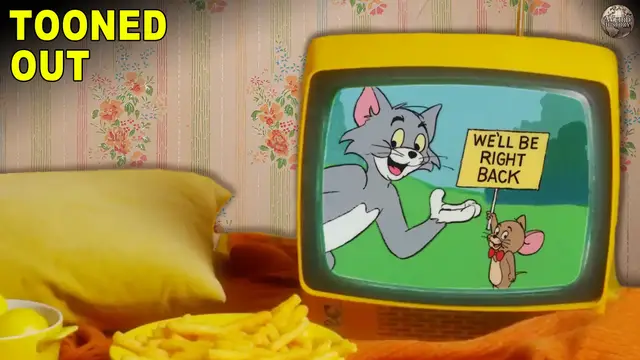
Saturday mornings used to be sacred animation time. Generations of kids, fueled by bowls of sugary cereal (likely advertised during their Saturday TV sessions), flocked to screens for a binge-worthy block of cartoon programming - whether it was Looney Tunes, Animaniacs, Teenage Mutant Ninja Turtles, the aptly named The Weekenders, or any other classic animated series. So, what happened to Saturday morning cartoons?
Show More Show Less View Video Transcript
0:00
Saturday mornings used to be a sacred time when kids, fueled by bowls of sugary cereal
0:06
flocked to their TV screens for a binge-worthy block of cartoon programming
0:10
But that was a long, long time ago. And Saturday morning cartoons have since disappeared into the pop culture's past
0:18
So, what happened? Well, today, we're charting the rise and fall of Saturday morning cartoons
0:25
Time to tune into some weird history. The story of Saturday Morning Cartoons begins in 1949, the same year that brought us NATO, Richard Gere, and the NBA
0:38
Hey, something for everyone. It all started when a television producer named Jerry Fairbanks convinced NBC to pick up what would become the first ever made-for-television cartoon, Crusader Rabbit
0:50
Created by Jay Ward, among others who would go on to produce iconic cartoons like The Rocky and Bullwinkle Show, George of the Jungle, and Captain Crunch
0:59
Crusader Rabbit followed the adventures of a heroic bunny and his tiger sidekick
1:04
sort of like a gritty reboot of Winnie the Pooh, in which his friends have to avenge him
1:09
There was no specific plan to put the show on Saturday mornings when it was made
1:13
But according to Fairbanks, the networks had some vague idea that they wanted programs for kids
1:18
And research showed that the hours between 10 a.m. and noon on Saturday
1:22
were among peak viewing hours for the youngsters. You know, because there's no school
1:27
Crusader Rabbit, which had very simple animation, ran for two seasons before its unceremonious cancellation
1:34
It wouldn't be until 1955, when CBS aired Mighty Mouse Playhouse on Saturday mornings
1:39
that the Saturday morning cartoon would begin to stick. That show ran for 12 years
1:44
and by 1966, all three major networks would be airing cartoon blocks on Saturday mornings
1:50
We gone. The Saturday morning cartoon era had. When it came to justifying a market for original children's television cartoons
1:59
Crusader Rabbit came up, shall we say, a hair short. Since the show was not a runaway hit
2:05
no one was in a rush to produce more original cartoons for Saturday morning
2:10
So when it came time to design the original Saturday morning cartoon blocks
2:14
they mainly consisted of old reruns that pretty much everyone but the youngest kiddies had already seen
2:19
Typical offerings came from the classic cartoon shorts of the 30s and 40s, like Looney Tunes
2:25
Tom and Jerry, and Disney. However, what you may not have known is that those cartoons were
2:30
originally meant to play in movie theaters and were only later fragmented to fit the television
2:35
format Yes when cartoons first became a part of mass pop culture through the 1920s and 40s they were produced exclusively for the cinema as lighthearted shorts attached to the main feature But this wasn so much a creative decision as it was a financial one
2:50
Given the technology at the time, it simply wasn't cost-effective for a studio to consider making cartoons frequently enough that they could run as a television series
2:59
Artists had to draw 24 individual frames by hand for each second of animated footage
3:06
And that wasn't cheap or easy. Heck, it still isn't. The rest of the Saturday morning programming
3:11
used shows initially created for primetime television, including The Flintstones, The Jetsons, and Johnny Quest
3:17
Yeah, all three of those were primetime shows, like The Simpsons, Family Guy, and Fish Police
3:23
Other original Saturday morning cartoon offerings from the early days included shows featuring characters
3:28
Magilla Gorilla, Top Cat, Quick Draw McGraw, Spider-Man, The Fantastic Four, and everyone's favorite Liverpoolian superheroes, the Beatles
3:38
Cell animation sounds like something prisoners do to pass the time, but the cell in cell animation has nothing to do with jail
3:47
It's short for celluloid and refers to a transparent sheet that has an image pre-drawn on it
3:52
so artists don't need to redraw their characters for every scene. This technique has existed since the early days of animation
3:59
But it took a while to perfect it and wound up being a cheap and clever solution to producing more original animation for television
4:06
Another key development was when United Productions of America, an animation studio founded by former Disney animators best known for Mr. Magoo cartoons
4:14
innovated a style called limited animation. Limited animation further reduced costs by reusing frame elements of a scene, like backgrounds, other than just the characters
4:24
Did you ever notice how Scoob and the gang seemed to get chased down the same 10 feet of hallway every episode
4:31
Well, this is why. Other production companies adopted this process, and it was instrumental in reducing costs enough for animated TV series to become viable
4:43
Thanks to limited cell-based animation by the late 1960s, networks could produce completely new four-hour blocks of cartoons for Saturday mornings
4:51
They also found a way to make those cartoon blocks financially viable. by mercilessly and relentlessly bombarding impressionable children with totally radical
5:00
commercials. At long last, networks could finally offer something to advertisers that had never been
5:05
available before. An opportunity to pitch to large numbers of children for long periods of time
5:11
with products made exclusively for them. But it soon became apparent that the whole enterprise
5:15
could be even more lucrative That because someone eventually figured out the commercials weren the only opportunity to sell stuff Advertisers started working with networks to produce shows based on products themselves Shows like He and the Masters of the Universe Transformers and Teenage Mutant Ninja Turtles
5:34
were essentially created as 20-minute advertisements for their related toy lines that would occasionally be interrupted by commercials for other toys
5:42
It's like a magic trick. The only problem was, it was a magic trick performed by toy manufacturers
5:48
bent on teaching kids who are too young to understand the concept of a fixed income
5:53
to beg their parents for an endless line of expensive toys. Eventually, the law decided to intervene
6:01
Toymakers and cartoon executives were riding high on Saturday morning cartoons for decades
6:06
But eventually, parents grew unhappy with how mindless and shameless some of these shows appeared to be
6:12
Although we think Shakespeare may have seen the value of Transformers, but parents and activists would have none of it
6:18
They spoke out against the colorful cesspool of marketing entertainment created by the TV toy industrial complex
6:24
and demanded that broadcasters provide at least some educational fare for children
6:28
in exchange for their lucrative licenses. In response, in 1990, Congress passed the Children's Television Act
6:36
which mandated that networks make children's programming that included more educational shows
6:40
like maybe a show where He-Man does math. The FCC further strengthened those rules in 1996
6:46
stipulating that networks needed to include at least three hours of educational programming per week
6:52
among other crackdowns. Because networks didn't want to mess with their primetime schedules
6:56
they started cutting into Saturday morning cartoon blocks with these educational shows
7:01
If you're thinking making Saturday morning cartoons educational would make them more appealing to adults
7:06
but less appealing to kids, you're absolutely right. There's a reason those turtles were ninjas
7:11
and not members of the debate team. Kids, who perhaps felt like they were getting enough education at school
7:16
did not love the change. And Saturday morning cartoon ratings began to slide
7:23
As if having to convince kids to watch educational TV on the weekends
7:26
wasn't enough to deal with, in the 1990s, traditional networks were also facing increasing competition from cable
7:33
In 1992, the Cartoon Network launched, further deepening the pool of dedicated children's networks
7:39
which by that point already included Nickelodeon and the Disney Channel. The major networks running Saturday morning cartoons were able to fend off these interlopers for a while
7:48
but almost immediately after the FCC's 96 educational mandates, cable channels took over as the go-to spots for children's programming
7:56
Within a year, Nickelodeon became the most popular children's network. The cable networks were not beholden to the FCC rules so they could broadcast all the shows they wanted including the ones that allegedly rot your brain You know the good ones On top of that the mere existence of such channels had
8:13
already diminished the novelty of getting up early on Saturday to watch your favorite tunes
8:18
because they broadcast kids' programming around the clock. What's the point of Saturday morning
8:23
cartoons when multiple channels play cartoons all day long? Already under pressure by parents
8:31
Congress and cable networks, the networks probably realized their Saturday morning goose was cooked
8:36
right about the time the kids started to turn on them as well. Not consciously, mind you
8:41
It's simply that kids' taste in TV shows were starting to change. NBC executive Lee Gaither
8:47
described the evolution in children's entertainment preferences by pointing out, as cable TV started to rise, kids over the age of eight started splitting off into very different
8:56
groups. Network data showed that while some kids were into animation, others were not. Live action
9:03
shows made for kids became more popular. And according to Gaither, it had become hard to find
9:07
a kid who liked animation solely anymore. And whereas cartoons seemed to generally be more
9:12
popular with boys, live action shows seemed to appeal to both the tween girls and boys
9:17
The long and short of it was that four-hour cartoon blocks just didn't make as much sense
9:22
anymore, regardless of how many bodacious toys they sold. The final blow for Saturday morning cartoons would be the same one that knocked the whole appointment television business on its backside
9:33
The birth of Netflix. When it launched in 1998, the Future Streaming Service, which at the time just delivered DVDs to people through the mail, didn't offer original programming
9:44
It actually just licensed much of its children's content directly from cable networks
9:48
But that still took eyes away from TVs, as did Hulu when it launched in 2007
9:53
With these services, network programming became even less influential as kids could now watch whatever they wanted, whenever they wanted
10:01
Adults also started to move away from traditional TV as they turned to streaming
10:05
October 4th, 2014 marked the first weekend in America without Saturday morning cartoons since the phenomenon began
10:13
We'd like to say that children across the country wore black as part of a national day of mourning
10:18
But by that point, no one particularly cared. NBC was the first to do away with its cartoon block in 1992, and CBS shortly thereafter
10:27
ABC held on for a while, given all its Disney programming options
10:31
but time makes fools of all of us in the end, and ABC aired its last Saturday morning cartoon blocks in 2004
10:37
Fox, meanwhile, finally ended Saturday morning cartoons in 2008, leaving the CW the last holdout when it shut off the lights in 2014
10:46
over two decades since the decline began. And that's all, folks