Up next in 10



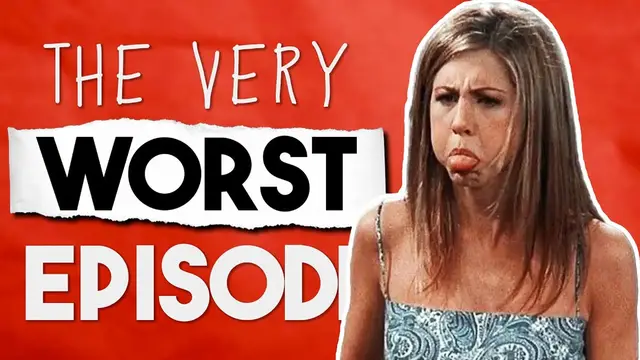
The hit sitcom Friends was a universally loved phenomenon. It was the biggest show in the world at one point, and now that the show lives on HBOMax audiences can get their fill of Friends anytime they want. Out of all the classic episodes of Friends however, are a couple that fall short.
Show More Show Less View Video Transcript
0:00
We have to do something, okay? Something huge
0:03
We could climb Mount Everest. No, no, not something stupid, something huge
0:08
This scene from Friends feels like it's the start of a really great episode
0:14
Sadly, it's not. It's hard to talk about entertainment in the 90s without mentioning Friends
0:19
The show is truly a cultural phenomenon, and it's a great example of a studio producing the right show at the right time
0:26
Generation X was rapidly maturing. The MTV generation was moving away from late-night hangouts and moving toward building careers and families for themselves
0:35
Friends was a perfect companion for that process. Needless to say, Friends was a major hit
0:41
In the show's run of over 10 years and 236 episodes, Friends retained an average viewership of over 20 million viewers and was nominated for, wait for it, 62 Emmy Awards
0:55
Despite the show's critical success and inherent ability to get Rembrandt's songs stuck in your head for a week and a half
1:01
not every episode of Friends is a classic. And today, we're going to be talking about two of them
1:08
The One with the Invitation, the 21st episode of Season 4, and The One with the Vows, the 21st episode of Season 7
1:15
These are the two lowest-rated episodes of Friends by a long shot
1:20
Each began like any normal, fun episode of Friends. In the one with the vows, we see Chandler and Monica preparing for their wedding
1:27
And in the one with the invitation, we see Chandler and Joey talking about climbing Mount Everest and watching Die Hard
1:33
It's the same fun, light, snarky energy that keeps fans coming back for more every week
1:38
However, there's a turning point in each one of these episodes where a character is presented with a problem
1:43
and oddly enough, these problems both involve two of the show's weddings. In the one with the vows it Chandler and Monica dilemma over writing wedding vows And in the one with the invitation it Ross and Emily in a dilemma over inviting Rachel to their wedding Once these problems are introduced
1:59
the shows veer off into their normal formulas and into an extended flashback montage of clips from previous seasons
2:06
These flashback episodes of television are called clip shows, and we see them all the time
2:12
Most long-running shows have either clip show episodes or end up portraying some pastiche of a clip show episode
2:18
We've seen it in shows like Three's Company and Cheers, and the clip show format has been parodied in shows like It's Always Sunny and Community
2:26
Clip show episodes have a tendency to feel like a major hiccup in the show's momentum
2:30
They're often pieced together in a kind of slapdash way. And more importantly, nothing really happens in them
2:36
They just feel like kind of a waste of time. To understand how the clip show format became commonplace in the television industry
2:43
we'll have to hop in our time machine and go all the way back to 1936
2:47
to take a look at a television serial produced by Republic Pictures titled Robinson Crusoe of Clipper Island
2:54
Production of Robinson Crusoe was running long due to adverse weather conditions
2:58
and a longer production time means the studio spent more money. Wanting to subsidize the cost of the delayed production
3:05
Republic Pictures sought to add two episodes to make up for the cost. Screenwriter Barry Shipman came up with the idea of writing some short scenes
3:12
where characters reminisce about previous events and then utilize old stock footage to fill in the rest of the episode and save money
3:20
Before we go in there, I'd like a brief account of what you found on Clipper Island. The result was that it worked
3:25
These clip show episodes allow studios like Republic Pictures to minimize production costs by only needing to shoot a few minutes of new footage
3:33
and then they'd stuff the episode full of footage that they've already paid for. They could market these episodes as new
3:39
Audiences loved these episodes too. In 1936 there were only a handful of television channels with very little syndication In fact the United States only had about four fully functional television channels at this time
3:53
so syndication wasn't really a thing. Having these recap episodes helped fans of these shows
3:58
who might have missed an episode or two catch up on plot lines before continuing the story
4:03
It's a win-win situation, and the inclusion of clip show episodes soon became commonplace across the television landscape
4:09
Now, in the 90s, there was at least one television in every home, and cable subscriptions were on the rise
4:15
There was more than enough room and time for shows to syndicate, and Syndicate Friends did
4:20
Friends reruns were pretty accessible to fans, so the need to watch clip show episodes
4:24
was rapidly dissipating. These episodes don't feel like delightful recaps that fill us with anticipation
4:30
of what's coming up on the show's plotline. They actively fill us with frustration
4:34
because we just want to get to the next moment. And these aren't like a speed bump
4:39
They're a 22-minute-long red light that keep us from the story. The clip show format is still used today
4:45
And when they're done well, they can really work to a show's advantage. I mean, sure, they might not be the strongest or most active way to write an episode of
4:52
television, but it's not like there isn't value to producing them. See, from a monetary standpoint, clip shows do nothing but increase the profitability
5:00
of a show. But from a viewer's standpoint, a clip show episode plays to our nostalgia
5:05
We're basically watching a timeline of greatest hits of some of our favorite moments from some
5:10
of our favorite shows. We don't have to stress over tracking a complicated story or pay attention to every little detail
5:16
Clip shows are sort of like television's Lazy River, I guess. When we watch them, we can just sit back, relax, and enjoy a nice little float down memory lane
5:24
These two episodes of Friends, however, they sort of miss that mark, mostly because they are kind of, you know, confusing
5:32
Sometimes shows use a blurring effect or a sound effect to indicate that flashbacks are imminent
5:36
At the very least they utilize a line of dialogue to facilitate an incoming cutaway I hate shows that cut away from the story for some bullcrap In The One with the Invitation we don even get a warning that a flashback sequence is coming
5:50
They just sort of zoom in on Ross's face and begin flashbacks without prepping us in any way for it
5:55
The One with the Vows has a slightly better structure, but is still plagued with the same problems as the One with the Invitation
6:02
The Vows offers cutaways to two perspectives surrounding Monica and Chandler writing their respective vows
6:07
for their upcoming wedding, while filling the rest of the episode with another smattering of clips from previous seasons
6:13
The alternative perspectives provide a little more cohesiveness, and it does at least give the episode enough structure
6:19
to feel like there's a plot to be followed. However, the episode abandons the structure
6:23
that makes it come within a stone's throw of being coherent in favor of flashback clips of things
6:28
that fans of friends have already seen repeatedly. This episode feels more like a greatest hits reel of Monica and Chandler's relationship
6:35
told through a thin veneer of stereotypical wedding drama than it feels like a full episode of Friends
6:41
Both of these episodes leave us wanting more, but for the wrong reasons
6:46
Clip show episodes have become fairly obsolete. While they may have been really popular and helpful at one point in time
6:52
the need for them has all but completely disappeared. We've reached a point as consumers of televised entertainment
6:57
where we no longer need studios or shows to spell things out for us
7:01
We get extremely efficient recaps at the start of the episode as a brief reminder to get us back into the tone of the show
7:08
and then we're good to go. When a show starts to take steps backward without taking any steps forward
7:13
it can be frustrating or at best slightly boring. Sure, but clip show episodes save the studio a few hundred thousand dollars
7:21
but sometimes they can feel completely unnecessary. We want to move forward with our stories
7:26
We want to grow with our characters. Thankfully, the clip show format seems to be dying off in favor of telling deeper and richer stories, which, hey, is always a good thing