Up next in 10



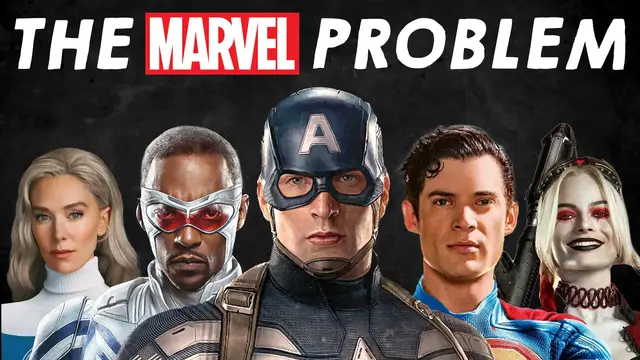
When the Marvel Cinematic Universe first began to take shape, audiences had never seen anything quite like it. Not only were these beloved superhero stories finally getting the big screen treatment they deserved, but movies like Iron Man, Guardians of the Galaxy, and the Winter Soldier all told classic superhero stories that were steeped in genre and had a singular creative voice, personality, and purpose.
Show More Show Less View Video Transcript
0:00
Before we get started, does anyone want to get out
0:10
This is The Winter Soldier, arguably the Marvel Cinematic Universe's most popular movie, even now
0:16
What is it about this film that has made it endure for as long as it has? Simple, it took an unconventional approach to a conventional story
0:24
Winter Soldier isn't a superhero movie, it's an espionage thriller starring superheroes
0:30
This approach to narrative is the single biggest lesson that the MCU has consistently attempted to impart
0:35
and yet no one wants to listen, including other MCU projects. Now I might be crazy, but I think you're trying to change
0:45
The Marvel Cinematic Universe is the first of its kind. A shared universe comprised exclusively of feature-length films
0:52
Yes, there was the Universal Monsters or the long-running Hammer Horror franchises
0:56
but those attempts at building a universe didn't come close to the scope and breadth
1:00
that the MCU started out with, let alone successfully accomplished. In 2008, with the release of Iron Man, Marvel had a grandiose proclamation
1:09
They were going to build towards a crossover of their biggest characters, joining a team codenamed The Avengers
1:15
And the way they would accomplish this would be releasing Incredible Hulk, Thor, Iron Man 2, Captain America, First Avenger
1:21
and then rally these characters for The Avengers. But with the meddling reception of Incredible Hulk and the poor reviews of Iron Man 2
1:29
something quickly had to be done. Marvel's lead creative force, Kevin Feige, realized they needed to rapidly pivot the
1:35
creative approach. They had to not standardize the cookie-cutter approach to the narratives
1:39
Instead, they needed to push the genre aspects of these films. Look, I know you don't think I can do this
1:44
This is in the back alley, Steve. It's war. In the early conceptions of the Captain America film, the first act was going to be a period
1:50
piece set in World War II, and the rest was going to take place in modern day. However
1:55
after multiple rewrites that everyone wasn't exactly pleased with, it became clear. They
2:00
needed to set the whole movie in the 1940s. It needed to be Saving Private Ryan or The Longest
2:05
Day starring Captain America. This idea went over very well. The resulting film might not have been
2:11
perfect, but it was the signal the studio was looking for. With the creativity on display and
2:16
the impressive march through phase one, everyone was getting on board. I have an army. We have a Hulk
2:21
Marvel's origin movie template had a particularly rigid formula, and yet, once they started really leaning into the idea of placing these heroes in movie genres
2:30
other than stereotypical superhero stories, things really started to click. Phase 2 included Iron Man 3, a deconstructionist take on the superhero
2:39
Thor, the Dark World, the previously mentioned spy thriller Winter Soldier, Guardians of the Galaxy, Age of Ultron, and Ant-Man
2:46
Guardians is a perfect example of this genre phenomenon It basically a Star Wars movie set in the MCU It a space fantasy epic about a ragtag group of idiots trying to save the universe from an evil tyrant
2:59
Sound familiar? I mean, Peter Quill is basically just Goofy Han Solo, right
3:03
This film was almost a guaranteed flop. No one is asking for a Guardians of the Galaxy movie
3:08
yet thanks to snappy writing, smart directing, and the surprising idea of making a space pirate superhero film
3:14
it was a runaway success. His people are completely literal. Metaphors are going to go over his head
3:19
Nothing goes over my head. My reflexes are too fast. Even Ant-Man tried to embrace this genre element by being a comedy heist film
3:28
It's basically the old Robert Redford movie Sneakers with shrinking powers. Granted, it didn't succeed to the degree that Guardians did
3:34
but it's still a really fun comedy, and who would have thought Brian Fantana could get so jacked
3:39
They've done studies, you know. 60% of the time, it works every time
3:44
The movies in Phase 2 that didn't lean into this idea, Ultron and the Dark World
3:49
well, the less said about them, the better. Ultron is important to the future MCU releases, but is pretty forgettable
3:55
And the Dark World is just painful. Look at the rival cinematic universes
3:59
How many of them have tried this gambit of making a genre movie
4:03
that just happens to have superpowers in it? Not many. The first phase of the DCEU had Man of Steel, Batman v Superman, Suicide Squad
4:11
and Justice League all as fairly straightforward superhero movies. Suicide Squad specifically seems pretty obvious
4:18
built to be a Dirty Dozen-style war movie that just happens to have superheroes in it
4:22
and yet they didn't take that swing. Really, of all the DCEU movies that got produced
4:27
Birds of Prey seems like the most cut from this cloth. It's a gritty urban crime thriller with people with powers
4:33
It's basically Chinatown meets Deadpool, and the problem being, it wasn't enough of a gritty urban crime thriller
4:39
to really deliver on that promise. Even looking outside of that, the Dark Universe, Universal Studios' attempt at making a cinematic
4:47
web of films based on their classic 1930s monster movies, did the opposite
4:51
It was a superhero movie action franchise that used the aesthetics of the monsters
4:55
You had a mummy, Dr. Jekyll and Mr. Hyde, and an evil Indiana Jones all smashed into
5:01
one action movie. They completely abandoned the horror, except as a narrative garnish
5:06
Tragically, it wasn't very good, and the whole experiment died before it even had a
5:10
chance to live, but you can see how this could have worked. It's an interesting approach
5:14
just a flawed execution. The Sony Spider-Man villains movies, less so. Those are pretty
5:19
terrible across the board. I guess it's almost interesting that the first Venom movie is like
5:23
a buddy comedy, where Venom and Eddie are the comedic foil and straight man, sort of. But
5:28
Morbius? Nothing about that movie works. This is a mistake, but I can fix it. Even films like
5:36
would universe starter Bloodshot or the Fast and Furious franchise when they work they draw on unexpected genre influences And when they don they try to ride the established tropes to little success As weird as it is to give the main protagonist
5:49
of your franchise a re-origin four films into your series and have it work
5:54
but Fast and Furious is great, Bloodshot less so. It's a pretty straight down the middle attempt
5:59
at a superhero franchise. Contemporary audiences are extremely smart. They've been conditioned by nearly two decades
6:05
of high-quality, large-budget studio genre films and the weapons-grade proliferation of AAA video games
6:12
to almost instantly understand and process high-concept genre storytelling. We don't live in the 80s anymore
6:19
where studio execs were worried that putting the Punisher in a Skull t-shirt was too wild to swim
6:24
The fact that the current phase of the Marvel Cinematic Universe is all built around multiverses is a big bite off the apple
6:31
Add to that the fact that everyone's grandma understands what's happening, That speaks to just how highly genre-educated the viewing public has become
6:39
Because of that, it's extremely important for franchises to treat the audiences with respect
6:44
and forethought they deserve. You can feel when a studio or director is trying to get one over on you
6:49
It's not fun. The tropes of the superhero genre are so well-established and well-worn
6:54
that they are nearing cliched levels of exploitation. You're... You are? Yeah
7:02
I'm Batman. This is why it's important to draw inspiration from unusual or previously unexplored areas of
7:09
narrative. The superhero as a construct exists because all other forms of genre were censored
7:15
out of existence by the Comics Code Authority in the 1950s. Literally, you couldn't have the words
7:20
vampire, werewolf, or zombie in the title of a book. It's a whole thing we don't need to get
7:25
bogged down in right now, so it's the ultimate irony that superheroes who saved the comic book
7:30
medium would now need an infusion of the genre elements that comics initially rejected for being
7:36
too mature. But Marvel is just as susceptible to scope creep as anyone else. Shang-Chi is a perfect
7:42
example of how Marvel has fallen victim to its own success. Almost every other cinematic universe
7:48
has struggled to live up to that early era of the MCU. Shang-Chi on its surface is a martial arts
7:54
movie. It's based off the highly acclaimed yet still largely underground comic book series
7:58
the deadly hands of Kung Fu. The fact that this movie is a $200 million blockbuster
8:03
that climaxes with the protagonist riding a dragon tells you all you need to know
8:08
about how they're chasing the largest possible audience, as opposed to faithfully recreating
8:12
what made the comics work like they did in phase one. Shang-Chi should be a $50 million martial arts movie
8:18
starring someone who could credibly be a successor to Bruce Lee's legacy
8:23
Who are you? However we both know that it not exactly that It a really fun movie and I wish we would have gotten Shang again before his next appearance in Avengers Doomsday but the movie itself isn quite the platonic ideal of a deadly
8:39
Hands of Kung Fu adaptation. This is the problem that the larger filmmaking landscape is grappling
8:44
with. It's a push and pull between massive studios attempting to milk the most financial reward out
8:49
of characters that have existed for 80 years possible, and filmmakers trying to make unique
8:54
visions that would connect with an audience emotionally. You'd think that these two groups
8:58
of people would be on the same side, but they're usually not. In fact, if you look at the batting
9:02
average of directors that the early Marvel Cinematic Universe picked to helm their movies
9:07
they were people who knew how to play within the system, but still had their own voice
9:11
Now it's less and less journeymen, auteurs, and more and more purely company men or TV directors
9:17
who are willing to actualize the broader Marvel editorial vision. Finding the balancing act between
9:22
artistic expression and the financial realities of one of the most financially expensive mediums
9:28
on Earth is something that every artist working in Hollywood has to contend with
9:32
But it does feel like we're living in a distinctly bland era where no one even wants to try and
9:37
tackle the risks that the early Marvel Cinematic Universe so effortlessly took
9:41
One contributing factor to this was the fact that the early Marvel Studios producers set
9:46
up what was called the Marvel Creative Committee, where they hired five or six beloved comic
9:50
book writers to oversee the broad sweeping strokes of the universe. people like Mark Miller, Brian Bendis, Joe Quesada, and Matt Fraction
9:58
These creators gave feedback on early drafts of scripts and helped to push things in more creatively ambitious directions
10:05
However, by the time Phase 3 was at its height, the creative committee and Kevin Feige ended up on opposite sides
10:11
of what to do about the climax of Captain America Civil War. And ultimately, Big Kev was able to use his political power
10:17
to dissolve the creative committee, and there hasn't been another one reinstated since
10:22
Why would you do that? We're in the endgame now. Superhero movies are dominating pop culture so thoroughly at this point that not only does it
10:34
make business and creative sense to incorporate some unexpected genre elements into the films
10:39
but for longevity's sake as well. Who wants to eat the same food all the time? No one. And that's
10:43
the exact problem that Hollywood is running into. These comic book blockbusters aren't doing as well
10:48
as they used to, largely because they're all drawing from the same narrative well. We need
10:53
more diversity in our storytelling. Marvel, DC, even Star Wars, and the various fantasy epics that
10:59
have interconnected narratives, they all need to pull influences from unexpected areas. And if they
11:04
don't, well, honestly, it could mean the end of everything. People are going to see movies less
11:10
and less these days, and it's understandable. The movies are more and more bland. However
11:15
with a few tweaks and unexpected choices, that could all change. Fingers crossed we live in that
11:20
future and not the one, it seems pretty clear, we're barreling towards